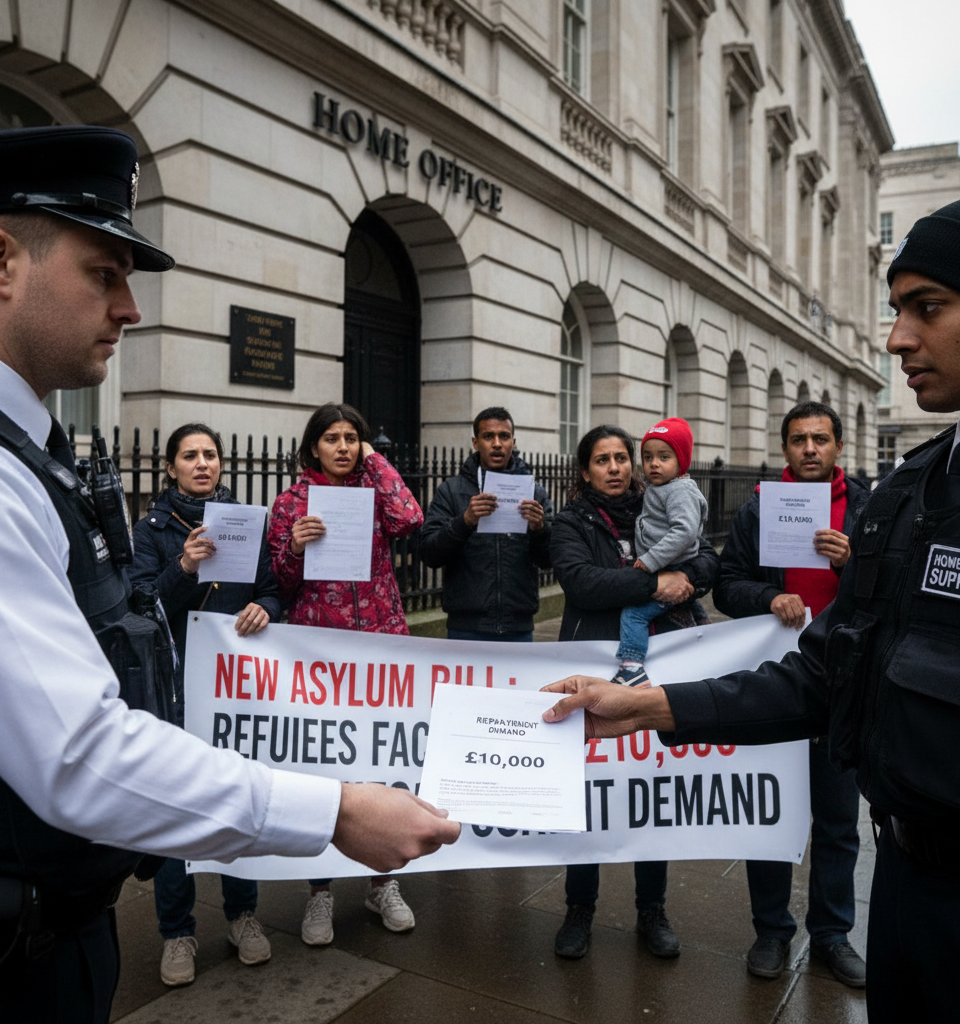
The Home Office is poised to introduce new legislation that would empower it to reclaim an estimated £10,000 from adult refugees for asylum support received. This measure, expected to be part of a forthcoming asylum bill, marks a notable shift in policy, potentially placing a substantial financial burden on individuals seeking refuge within the country.
Context and Background
This proposed policy emerges amidst ongoing debates concerning the financial implications of the asylum system and the integration of refugees into society. Historically, asylum seekers have been provided with support, including housing and subsistence, without a clear mechanism for repayment once their asylum claims are processed. The introduction of cost recovery powers signifies a move towards a more financially demanding model for those granted protection. Critics often argue that such measures could hinder successful integration, while proponents maintain that it ensures fairness to taxpayers and discourages unfounded claims.
Key Details
The powers granted to the Home Office under the new bill would specifically target adult recipients of asylum support. While the exact scope of what constitutes 'asylum support' will be detailed within the legislation, it is understood to encompass various forms of assistance, including accommodation, financial aid for daily living, and potentially other services. The figure of around £10,000 represents an approximate cost recovery, although the precise methodology for calculating individual debts and the repayment terms are yet to be fully specified. There is no indication at this stage whether exemptions or hardship clauses will be included for vulnerable individuals.
Potential Societal Impact
This policy could have far-reaching implications for refugees attempting to rebuild their lives. Faced with a significant debt immediately upon receiving asylum status, individuals may struggle to secure housing, employment, and fully integrate into the economic fabric of the country. Humanitarian organizations are anticipated to raise concerns about the potential for increased poverty and destitution among the refugee population, arguing that such a financial imposition could undermine the very purpose of granting asylum. Economically, while the Home Office aims to recoup costs, the potential for increased administrative burden in debt collection and the broader societal costs associated with hindered integration remain to be seen.
Implications for the Asylum System
The introduction of cost recovery powers could be interpreted as part of a broader strategy to deter asylum claims and to shift the financial responsibility for asylum support. It may also lead to increased legal challenges from refugee advocacy groups, questioning the legality and ethical implications of retrospectively charging individuals for essential support provided during a period of vulnerability. The operational complexity of implementing such a system, including tracking costs, assessing repayment capabilities, and enforcing debt collection, will present a significant challenge for the Home Office.
What's Next
The new asylum bill, once formally introduced, will undergo parliamentary scrutiny, where these specific provisions are expected to face intense debate. Refugee charities, legal experts, and opposition parties are anticipated to scrutinize the details of the cost recovery mechanism, advocating for safeguards and considering the long-term impact on human rights and social integration. The Home Office will likely need to clarify the exact repayment structure, the appeals process for individuals, and how these measures align with international obligations concerning refugees. The timeline for implementation will depend on the legislative process and any potential amendments or challenges.