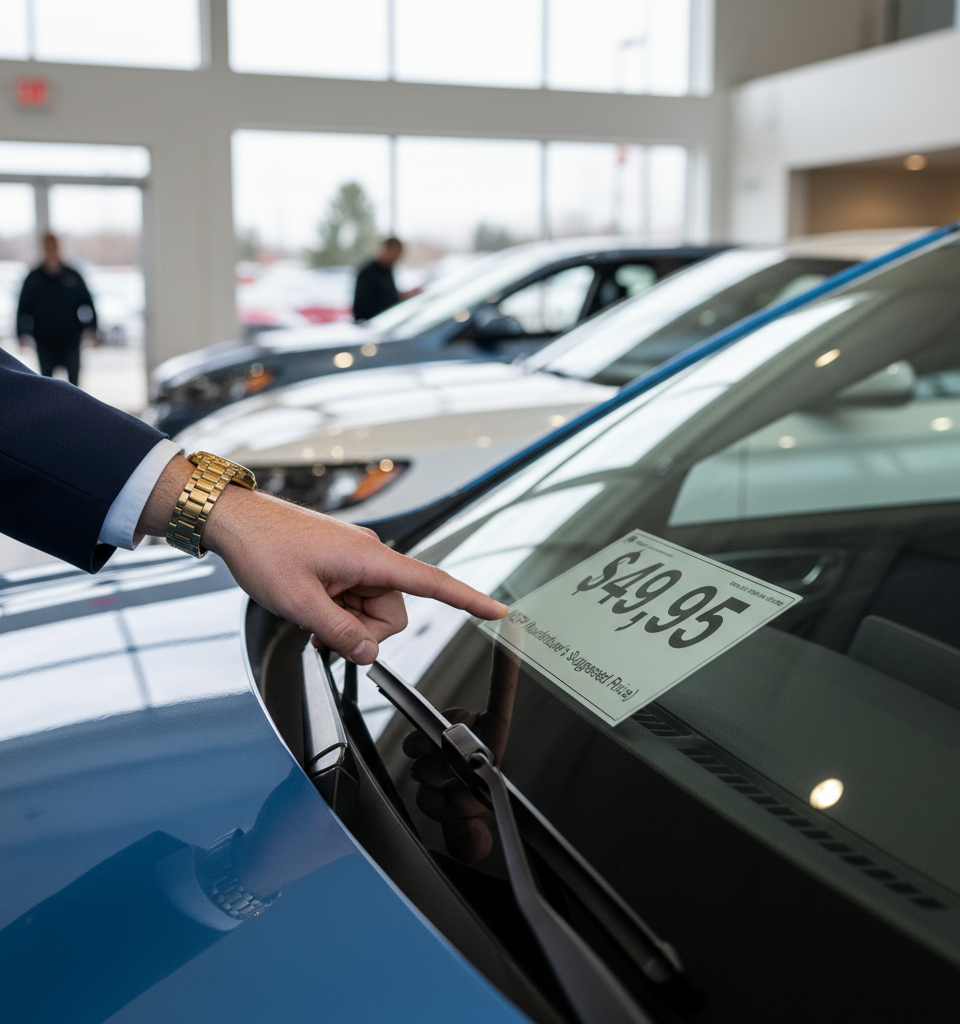
Washington D.C. — The cost of a new automobile has surged by an alarming 30% over the past six years, pushing the average transaction price to an unprecedented nearly $50,000. This significant escalation, primarily driven by a 'K-shaped economy' effect, is not merely an inconvenience but a profound indicator of widespread inflationary trends making essential aspects of life increasingly unaffordable for many American consumers. The data, reflecting trends up to early 2024, underscores a period of sustained price hikes within the automotive sector, signaling deeper economic concerns.
Unprecedented Price Hikes and the K-Shaped Recovery
This dramatic rise in new car prices is a critical component of a broader economic narrative where various goods and services are becoming steadily more expensive. The 'K-shaped recovery' refers to a divergent economic rebound where some segments of the population and industries recover quickly and thrive, while others struggle or decline. In the automotive market, this translates to high demand and robust sales in luxury and higher-priced vehicle segments, while entry-level and more affordable options become increasingly scarce, pushing the overall average upwards. This trend began accelerating significantly post-pandemic, exacerbated by supply chain disruptions, increased material costs, and sustained consumer demand, particularly among higher-income brackets.
Key Drivers of the Automotive Inflation
Several factors have converged to propel new car prices to record highs. Supply chain bottlenecks, particularly in semiconductor manufacturing, severely limited vehicle production for an extended period, creating an imbalance where demand far outstripped supply. Automakers, facing higher input costs for raw materials like steel, aluminum, and rare earth minerals, passed these expenses onto consumers. Furthermore, the industry's pivot towards more technology-laden and higher-margin vehicles, including electric vehicles (EVs) which typically carry a premium, has structurally elevated average prices. Dealership markups, often exceeding Manufacturer’s Suggested Retail Price (MSRP) during periods of scarcity, further solidified these elevated price points. According to Kelley Blue Book, the average new car transaction price in December 2023 was approximately $48,759, a stark jump from around $37,500 in 2018.
Impact on Consumers and Market Dynamics
The ripple effects of these escalating prices are profound, directly challenging affordability for the average American household. For many, a new vehicle is a necessity, not a luxury, for commuting to work, running errands, and family transportation. The higher purchase price translates to larger monthly loan payments, longer loan terms, and increased interest burdens, effectively reducing discretionary income and contributing to broader financial strain. This dynamic also has a significant impact on the used car market, as the high cost of new vehicles drives more buyers towards pre-owned options, subsequently inflating used car prices as well and creating a cycle of escalating costs across the entire automotive spectrum.
Industry Reactions and Expert Analysis
Automotive industry analysts and economists are closely monitoring these trends. Michelle Krebs, a senior analyst at Cox Automotive, noted, "The average American's ability to afford a new car is diminishing, and it's not just about the car itself; it's about the entire cost of living going up." Experts suggest that while some supply chain issues have eased, the structural shift towards more premium vehicles and higher manufacturing costs means that a significant reversal in prices is unlikely in the short term. Automakers, while benefiting from higher profit margins per vehicle, risk alienating a substantial portion of the market if affordability continues to erode. There's a growing conversation about the necessity for more affordable vehicle options to cater to a broader consumer base.
The Road Ahead: Navigating Affordability Challenges
The future of new car pricing appears to be shaped by a complex interplay of factors including continued technological advancements, raw material costs, and evolving consumer demand. While a recent slight cooling in inflation might offer a glimmer of hope, analysts project that average new car prices will likely stabilize at a higher baseline rather than returning to pre-pandemic levels. The industry is exploring strategies such as subscription models, more diverse financing options, and the reintroduction of simpler, less feature-heavy models to address the growing affordability gap. Policy interventions, such as incentives for domestic manufacturing or raw material sourcing, could also play a role in mitigating long-term cost pressures. Ultimately, the market will need to adapt to ensure that car ownership remains accessible to a wider demographic, preventing the automotive sector from becoming an exclusive domain.