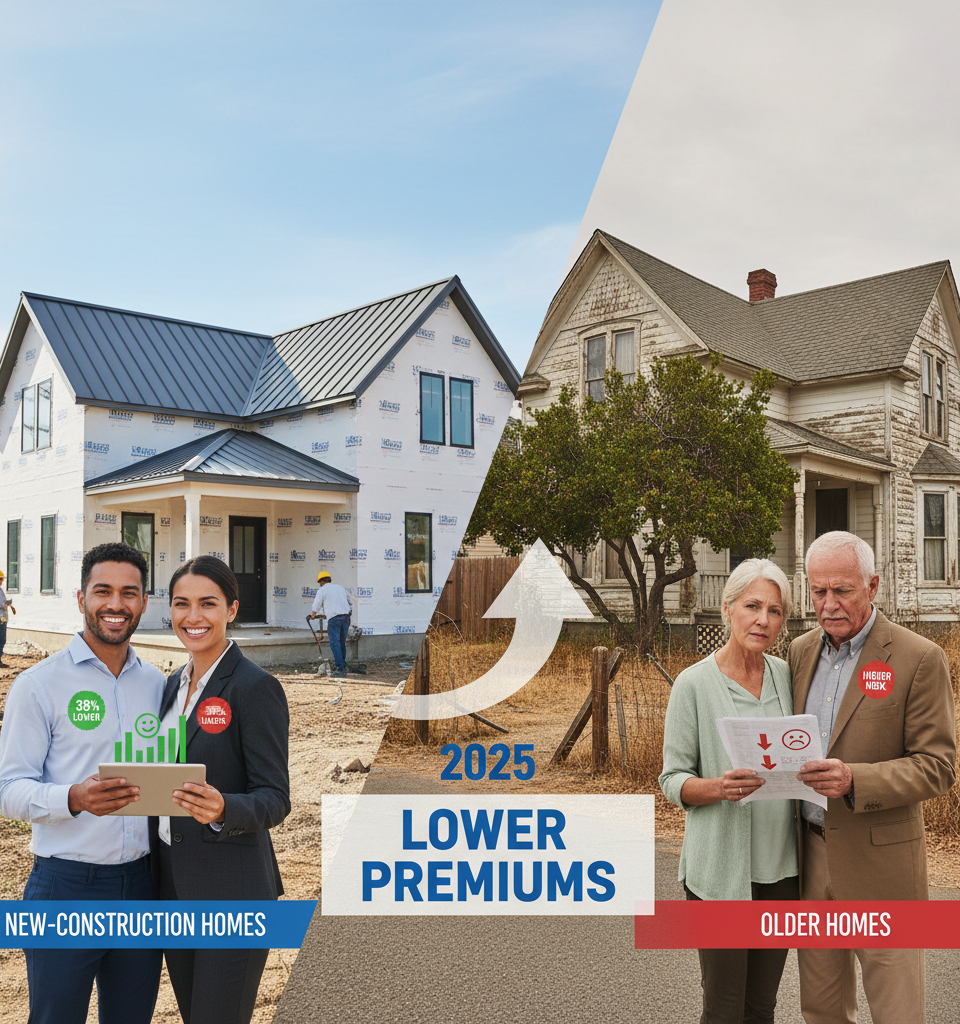
Homeowners purchasing newly constructed properties were anticipated to benefit from substantially reduced insurance costs in 2025, according to new data. The average annual premium for a new build was projected to be $1,120 less than that for a typical, median-aged American home, representing a potential saving of up to 38%. This financial incentive could play a significant role in guiding consumer decisions within the housing market.
Context and Background
This projected divergence in insurance costs underscores a growing trend where the age and construction standards of a home increasingly influence its insurability and, consequently, its premium. Historically, factors like location, claims history, and coverage limits have been primary drivers of insurance rates. However, with evolving building codes, enhanced safety features, and often more resilient materials, new constructions are beginning to command a distinct advantage in the insurance landscape. This potential for lower premiums could help offset the typically higher upfront costs associated with purchasing a brand-new home, making them a more attractive option for a broader range of buyers.
Key Details
The crucial figure from the data highlights an average annual saving of $1,120 for new build premiums compared to older homes in 2025. This translates to an impressive reduction of up to 38% in annual insurance costs. While the specifics regarding the methodology for calculating "median-aged American home" premiums were not detailed, the comparison points to a significant financial benefit. These savings could accumulate considerably over the lifespan of a mortgage, potentially freeing up substantial funds for homeowners.
Industry and Market Impact
The revelation of such dramatic potential savings on insurance premiums for new constructions stands to have a multifaceted impact on the housing and insurance markets. For homebuilders, it presents a powerful new selling point, further distinguishing their product from existing inventory. They could leverage these projected financial benefits in their marketing strategies, potentially boosting demand for new homes, especially in regions prone to natural disasters where insurance costs are often exorbitant. For insurers, this data suggests a recalibration of risk assessment models, confirming that newer homes, built to more stringent standards, generally present lower underwriting risks. This could lead to a more competitive landscape among insurers vying for the business of new homeowners.
Future Implications
Looking ahead, this trend could accelerate a shift in consumer preference towards new-construction homes, not just for their modern amenities and energy efficiency, but also for their long-term financial advantages. Policyholders in older homes might face increasing pressure to invest in upgrades that bring their properties closer to modern building standards, potentially leading to a boom in home improvement projects aimed at reducing insurance liabilities. Furthermore, this could prompt insurance companies to develop more nuanced policies that offer discounts for specific modern building features or certifications. The continued emphasis on resilience and safety in new construction could also drive innovation in building materials and techniques.
This projected financial advantage for new constructions is likely to be a significant topic of discussion among real estate professionals, insurance brokers, and potential homebuyers throughout 2025 and beyond. It underscores a growing appreciation within the insurance sector for the tangible benefits of contemporary building practices and materials.