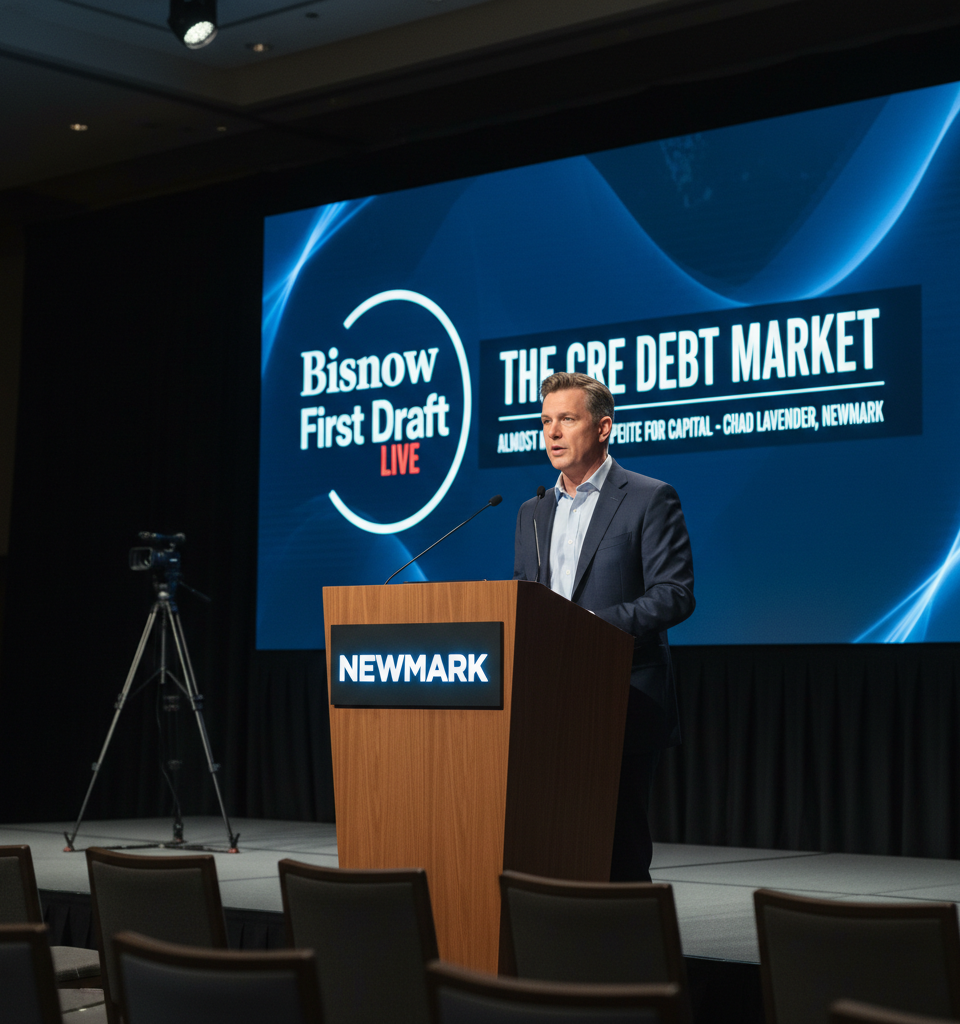
Commercial real estate debt markets are displaying an "almost insatiable" demand for capital, a sentiment articulated by Chad Lavender, Head of Capital Markets for Newmark, during a recent Bisnow First Draft Live session. The virtual event, a cornerstone of Bisnow's ongoing live conversation series, brought together industry leaders to dissect the critical forces shaping CRE finance. Lavender's comments underscore a significant trend: a resilient and highly liquid debt market actively seeking investment opportunities, even as broader economic indicators present a mixed picture.
The Driving Forces Behind Debt Demand
This robust appetite for CRE debt is largely fueled by several interconnected factors. A primary driver is the ongoing search for yield in a persistent low-interest-rate environment, pushing institutional investors and lenders toward real estate as an attractive asset class. Furthermore, significant dry powder exists across various capital sources, including commercial banks, life insurance companies, debt funds, and even new entrants like private credit funds. These entities are eager to deploy capital, creating a competitive lending landscape that benefits borrowers. Lavender specifically highlighted the diverse pool of capital, noting that while traditional banks remain active, the proliferation of non-bank lenders has significantly expanded financing options for a wide array of property types and risk profiles.
Shifting Dynamics and Emerging Trends
While the demand for debt is high, the market is not without its nuances. Lenders are increasingly discerning, prioritizing assets with strong underlying fundamentals, particularly in sectors such as industrial, multifamily, and certain niche markets like data centers and life sciences. The office sector, still grappling with post-pandemic occupancy challenges, faces stricter underwriting criteria and higher equity requirements. Lavender emphasized that despite the overall liquidity, pricing and terms can vary significantly based on asset quality, sponsor strength, and market location. He further pointed out a subtle but growing preference for floating-rate debt in some segments, as borrowers and lenders anticipate potential shifts in the interest rate landscape.
Broader Market Impact and Implications
The strong flow of capital into CRE debt markets has several profound implications for the broader industry. Firstly, it supports property valuations by providing accessible and often competitive financing, enabling transactions that might otherwise falter. This liquidity acts as a crucial lubricant for the investment sales market. Secondly, it empowers developers and owners to execute new projects and refinance existing assets, contributing to new supply and asset upgrades. The competitive nature of lending also puts downward pressure on spreads, benefiting borrowers and potentially translating into more favorable returns for equity investors. However, this robust environment also raises questions about potential overheating in certain sub-markets and the risk of mispricing if due diligence becomes less stringent.
Expert Perspectives and Cautious Optimism
Industry experts largely echo Lavender's observations, albeit with a degree of cautious optimism. Analysts from various financial institutions confirm the ample liquidity, but many also stress the importance of prudent underwriting in an increasingly complex economic environment. "While the tap is wide open for CRE debt, lenders are not throwing caution to the wind," remarked a senior analyst from a major financial services firm, who requested anonymity to speak candidly. "The focus is on credit quality and income stability, especially as inflation concerns grow and the potential for rate hikes looms." The consensus among experts is that while capital is abundant, the market favors sophisticated sponsors with well-conceived projects and robust business plans.
The Road Ahead: Navigating Future Challenges
Looking ahead, the CRE debt market is poised to remain highly active, though several factors could influence its trajectory. Potential interest rate adjustments by central banks, persistent inflation, and evolving return-to-office trends will undoubtedly shape lending strategies. The ongoing evolution of environmental, social, and governance (ESG) considerations is also emerging as a significant factor, with increasing demand for "green financing" and sustainable development projects.
Market participants will need to remain agile, adapting to these macroeconomic shifts and taking advantage of diverse capital sources. Newmark anticipates that the competition for quality deals will intensify, requiring sophisticated advisory and strong relationships to navigate successfully. The "insatiable" hunger for yield suggests continued dynamism, but with an underlying need for vigilance and strategic foresight.
Ultimately, Newmark's Chad Lavender's insights paint a picture of a commercial real estate debt market characterized by robust health and spirited activity. While challenges and uncertainties persist, the fundamental demand for real estate-backed investments continues to drive a highly competitive and fluid financing landscape, ensuring that capital remains readily available for well-positioned assets and experienced sponsors.