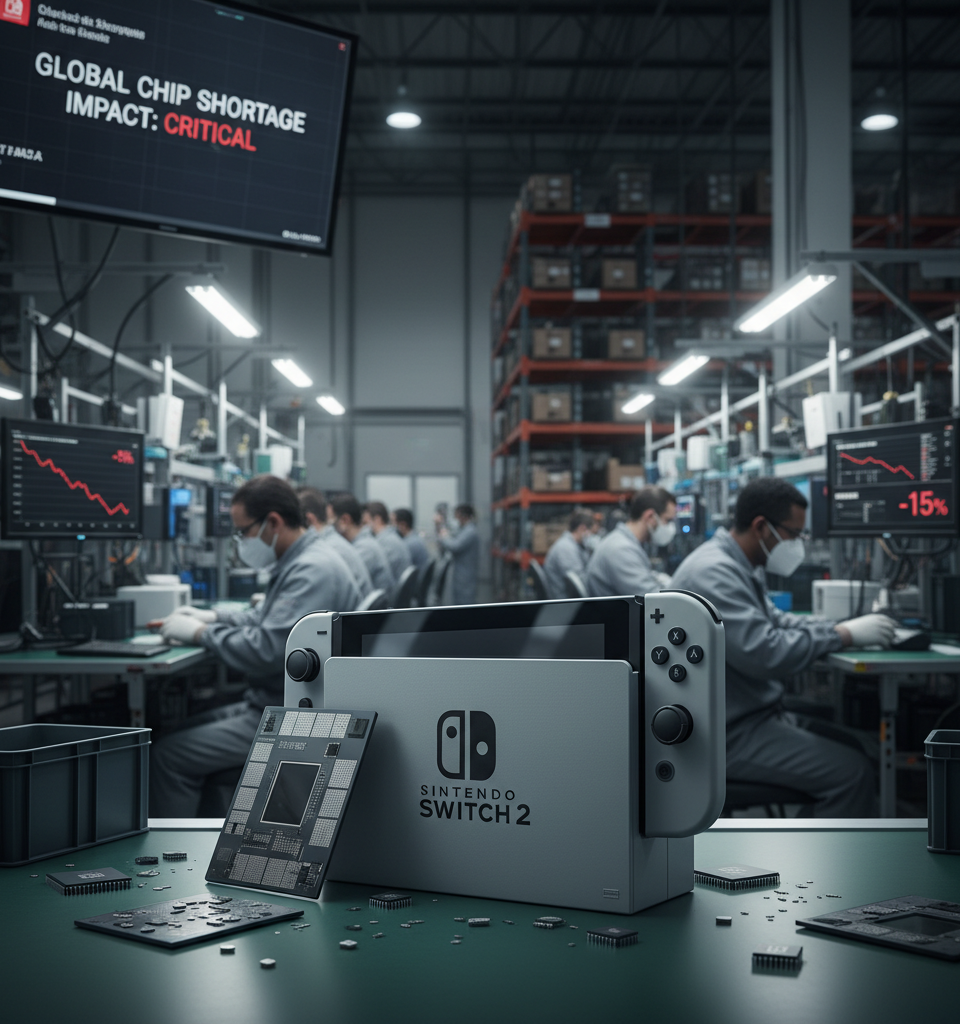
Nintendo, the Japanese gaming titan, is poised to raise the price of its forthcoming Switch 2 console, a decision necessitated by the ongoing global semiconductor crisis and escalating manufacturing expenses. This strategic shift emerges as the company projects a notable reduction in console sales for the fiscal year ahead, signaling potential challenges for its dominant handheld-hybrid platform. The move, anticipated to affect consumers globally, underscores the broader economic pressures impacting the tech and entertainment sectors.
The Context of Crisis
This pricing adjustment is a direct consequence of the severe chip shortages that have plagued the electronics industry for over two years, exacerbated by geopolitical tensions, supply chain disruptions, and surging demand for advanced semiconductors. Nintendo's current Switch model, despite its age, continues to perform strongly, selling 19.86 million units in the last fiscal year. However, the company simultaneously issued a stark forecast, predicting a considerable drop in sales to 15 million units for the current fiscal year. This 24.5% anticipated decline highlights the acute supply constraints and potentially softening consumer demand in an inflationary environment, making the launch of a new, more expensive console a calculated risk.
Key Financial and Sales Details
While an exact figure for the Switch 2's new price has not been publicly announced by Nintendo, industry analysts widely expect an increase from the original Switch's launch price of $299.99. The significant sales forecast reduction from nearly 20 million units to 15 million units is a crucial metric, reflecting not only the supply-side limitations but also potentially Nintendo's conservative outlook for the new hardware's initial year. The company's financial reports have consistently shown robust profits, but sustaining this trajectory without sufficient hardware availability poses a tangible threat. This is especially pertinent as the gaming market, after a pandemic-fueled boom, now faces post-COVID normalization and economic uncertainty, impacting discretionary spending on entertainment.
Broad Industry Repercussions
The ripple effects of Nintendo’s decision extend beyond its own ecosystem, reflecting a broader trend within the global electronics and entertainment industries. Competitors like Sony and Microsoft have also grappled with chip shortages, leading to sporadic availability and, in some cases, price adjustments for their PlayStation 5 and Xbox Series X/S consoles. A higher price for the Switch 2 could set a new precedent for next-generation console pricing, potentially limiting market accessibility for some consumers. Furthermore, it could influence pricing strategies for third-party peripheral manufacturers and game developers, who rely on a large installed base for their software sales. The scarcity of components continues to challenge manufacturing efficiency and time-to-market for innovative products across the tech spectrum.
Expert Analysis and Market Sentiment
Industry analysts are weighing in on Nintendo's strategic dilemma. "Nintendo is caught between a rock and a hard place," states gaming industry analyst Mia Chen from Tech Insights Group. "They need to launch the Switch 2 to invigorate their platform, but the cost of components is incredibly high. Passing some of that onto the consumer seems inevitable, though they'll have to balance that carefully against maintaining their traditional market appeal and competitive pricing." Other experts suggest that Nintendo's strong brand loyalty and unique first-party titles might mitigate some of the negative impact of a price hike, but acknowledge the risk of slowing adoption rates if the increase is substantial. The primary concern is whether the technological advancements in the Switch 2 will justify the higher price point for a broad consumer base.
The Road Ahead for Nintendo
The immediate future for Nintendo will be defined by its ability to navigate these complex supply chain issues while effectively launching and marketing the Switch 2. Investors and consumers will be keenly watching for official announcements regarding the console's specifications, release date, and, crucially, its final pricing. The success of the Switch 2 will hinge not only on its technical capabilities but also on Nintendo's capacity to ensure consistent stock availability.
The company's long-term strategy likely involves diversifying its manufacturing base and forging stronger partnerships with chip suppliers to mitigate future supply shocks. Furthermore, Nintendo's robust software pipeline, featuring beloved franchises, will play a critical role in incentivizing purchases, even at a higher price point, as the company strives to maintain its unique position in the competitive gaming landscape.