Staten Island Showdown Reaches Critical Juncture
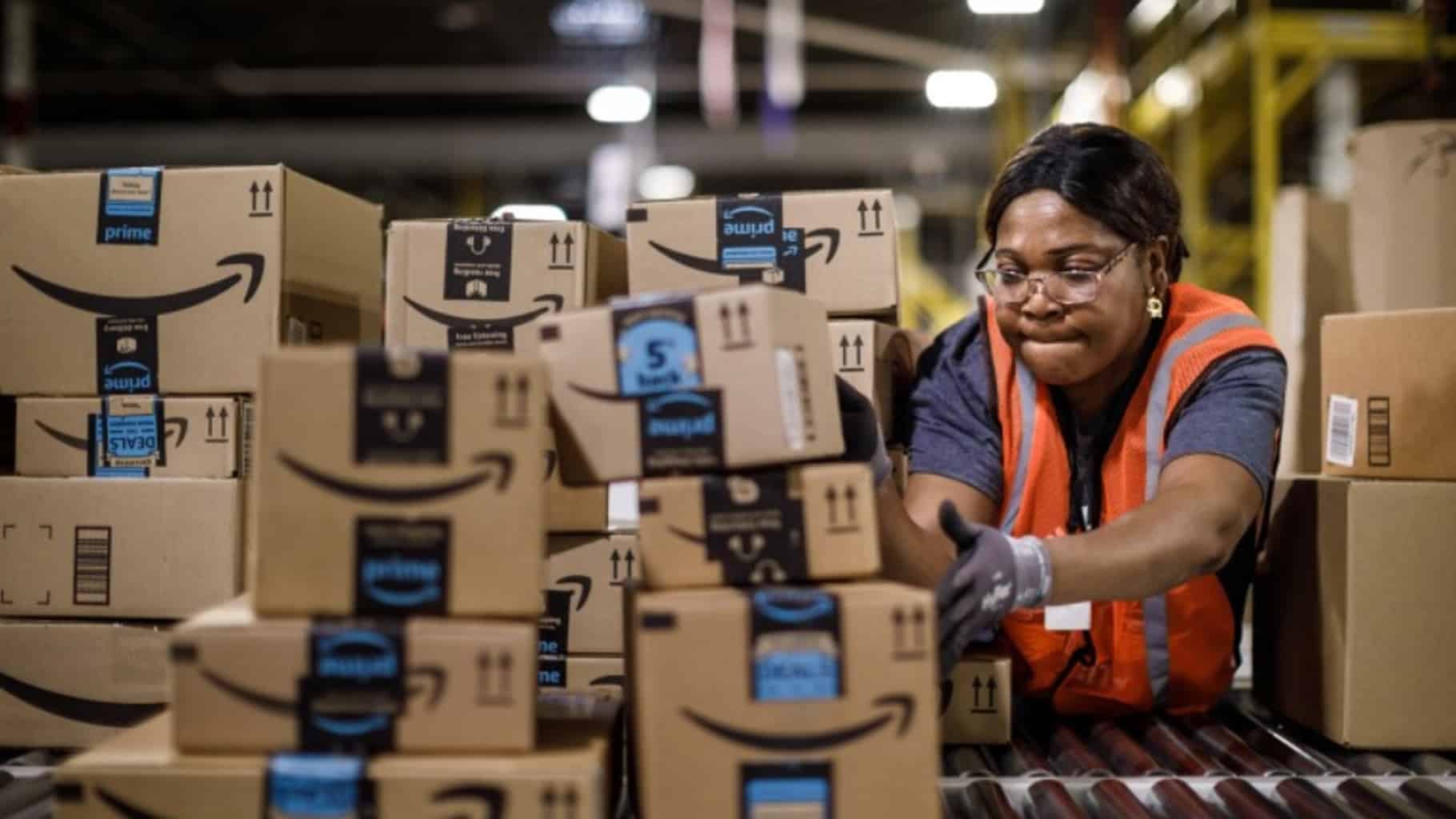
The National Labor Relations Board (NLRB) has, in a decisive move, mandated that e-commerce behemoth Amazon formally engage in collective bargaining with the Amazon Labor Union (ALU) at its JFK8 fulfillment center in Staten Island, New York. This order, issued on, follows months of legal challenges and represents a significant victory for the nascent union, which secured a historic election win in April 2022. The ruling effectively exhausted Amazon's appeals concerning the validity of the election results, forcing the company to the negotiation table and setting a critical precedent for labor relations in the rapidly evolving logistics sector.
A Decades-Long Battle Reaching a Head
This binding order is the culmination of a protracted and often acrimonious battle between Amazon and its employees, who have sought union representation to improve working conditions, wages, and benefits. The ALU's triumph at JFK8 was the first successful unionization effort at any Amazon facility in the United States, sending shockwaves through the corporate world. Amazon has steadfastly challenged the election results, citing alleged misconduct by the NLRB and union organizers. The NLRB, however, has consistently dismissed these objections, upholding the integrity of the vote. This mandates a fundamental shift in Amazon's approach, transitioning from resistance to what is hoped will be good-faith bargaining.
Key Details Emerge from the Ruling
The NLRB's directive underscores its authority to enforce labor laws and protect workers' rights to organize. The order specifically requires Amazon to recognize the ALU as the certified bargaining representative for approximately 8,300 workers at the JFK8 facility. While the NLRB cannot dictate the terms of a collective bargaining agreement, its order compels Amazon to meet with the union, exchange proposals, and make a good-faith effort to reach an agreement. Failure to comply could lead to further legal action, including court-enforced orders and potential financial penalties. The ALU, led by former Amazon employee Chris Smalls, has outlined demands ranging from a $30 minimum hourly wage and increased break times to improved safety measures and job security protections.
Industry-Wide Implications for Labor and Logistics
The ramifications of this ruling extend far beyond Staten Island. It signals a potential turning point for labor organizing within the trillion-dollar e-commerce and logistics industries, sectors historically difficult for unions to penetrate. Competitors like Walmart and Target, as well as other major warehousing and delivery companies, will be closely observing the outcomes of these negotiations. A successful contract at Amazon could embolden workers and unions nationwide, potentially leading to a surge in organizing efforts and increased pressure on companies to improve labor practices. Conversely, a prolonged and contentious bargaining process could serve as a deterrent, highlighting the challenges of securing a first contract.
Expert Perspectives on Corporate Strategy and Union Power
Labor law experts and industry analysts are weighing in on the implications of the NLRB's firm stance. "This is a massive win for the Amazon Labor Union and a clear message from the NLRB that election results will be respected," stated Dr. Sarah Chen, a professor of labor economics at NYU. "Amazon's legal options are dwindling, and they are now faced with the reality of negotiating directly with their employees. How they approach this will be critical in shaping their public image and future labor relations." Other analysts suggest Amazon may opt for a strategy of slow-walking negotiations, a common tactic employed by companies to exhaust union resources and diminish worker enthusiasm. However, the high profile of this case ensures intense scrutiny from media, politicians, and the public.
The Road Ahead: Bargaining, Precedent, and Potential Pitfalls
The immediate future involves the arduous process of collective bargaining. Both Amazon and the ALU enter this phase with significant stakes. The ALU must now transition from an organizing committee to an effective bargaining unit, capable of representing its diverse membership and securing a favorable contract. Amazon, for its part, faces the challenge of adapting its historically anti-union stance to a new reality, potentially setting a company-wide precedent. The success or failure of these negotiations will undoubtedly influence other Amazon facilities considering unionization, as well as the broader labor movement's efforts to organize in the tech and logistics sectors. Future legal challenges could still arise if either party claims unfair labor practices during bargaining, prolonging what is expected to be a complex and closely watched process for months, if not years, to come.