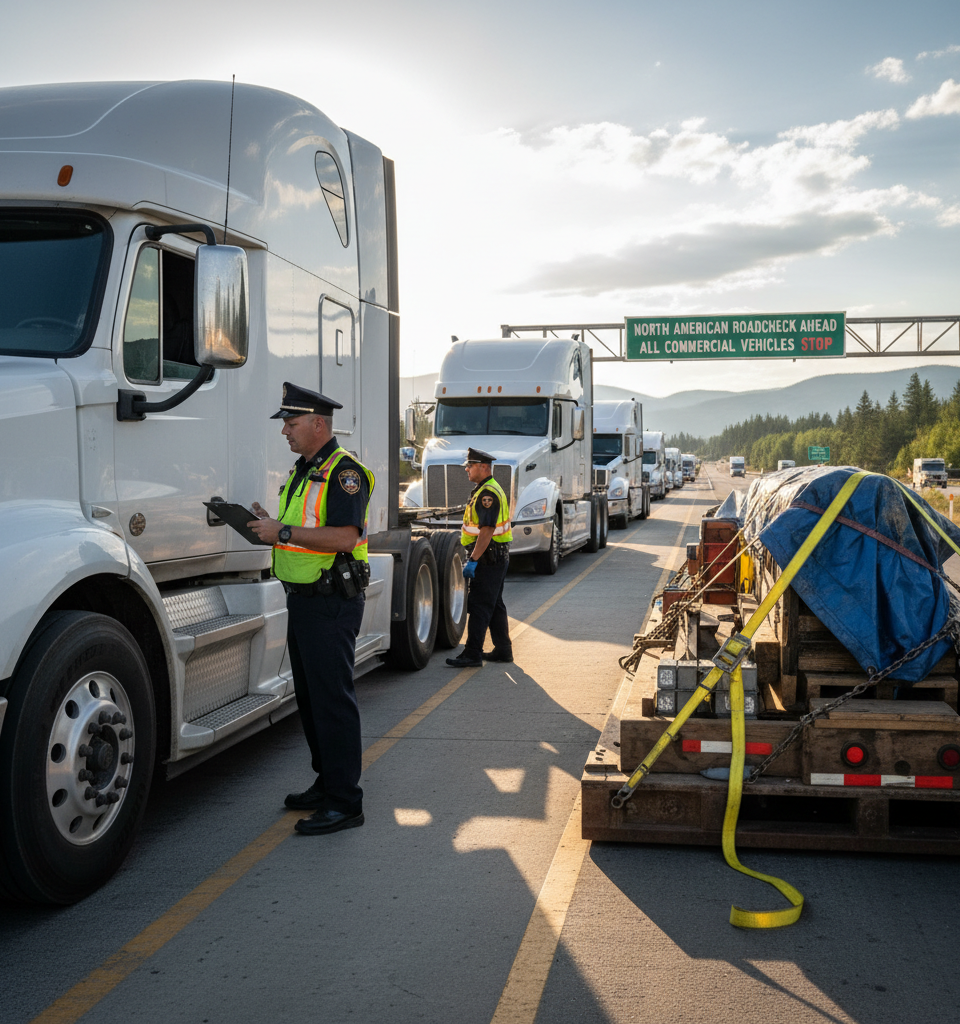
Motor carriers across North America recently faced a period of heightened scrutiny as authorities conducted the annual Roadcheck enforcement blitz. This intensive inspection campaign specifically targeted compliance with driver hours-of-service regulations and the critical aspect of cargo securement, aiming to reinforce safety standards within the commercial trucking industry.
Unpacking the Enforcement Blitz
The Roadcheck program, a cornerstone of commercial vehicle safety enforcement, is an annual event that sees thousands of inspections conducted across Canada, Mexico, and the United States. Its primary objective is to identify and address common violations that contribute to accidents and unsafe road conditions. By focusing on fundamental areas like driver fatigue and improperly secured loads, authorities seek to proactively mitigate risks before they lead to serious incidents. The recent blitz reaffirmed the commitment of regulatory bodies to a harmonized approach to safety across the continent's trucking routes.
Historical Context and Importance
The origins of Roadcheck trace back decades, evolving into one of the largest commercial vehicle enforcement efforts in the world. Its significance lies in its multi-jurisdictional scope, ensuring a consistent application of safety standards regardless of where a truck operates within North America. These concentrated efforts educate drivers and carriers on best practices, while simultaneously removing non-compliant vehicles from roadways. The focus on driver hours is particularly crucial, as fatigue remains a leading cause of commercial vehicle crashes. Similarly, cargo securement issues can lead to dangerous road hazards, including spilled loads and compromised vehicle stability, underscoring the necessity of stringent checks in this area.
Inspection Focus Areas
Inspectors during the recent Roadcheck initiative conducted thorough examinations of commercial motor vehicles and their drivers. A primary component of these inspections involved scrutinizing electronic logging devices (ELDs) and paper logs to verify adherence to federal hours-of-service mandates. This included checking for proper record-keeping, ensuring drivers were not exceeding their allowed driving times, and confirming adequate rest periods. Concurrently, a significant emphasis was placed on cargo securement. Inspectors meticulously checked tie-downs, bracing, and packaging to ensure freight was safely secured according to established safety regulations, preventing shifting or falling cargo that could endanger other motorists.
Industry Implications
The Roadcheck initiative invariably places operational pressure on the trucking industry. Carriers must ensure their fleets and drivers are in full compliance, leading to potential delays if violations are found, and subsequently, vehicles are placed out-of-service. While this can impact logistics and supply chains temporarily, the long-term benefits of enhanced safety are widely acknowledged. The enforcement blitz serves as a powerful reminder for companies to invest in ongoing driver training, maintain fleet maintenance schedules, and regularly review their cargo securement protocols. Industry associations often issue advisories in the weeks leading up to Roadcheck to help their members prepare and minimize disruptions.
Looking Ahead: A Continuous Effort
The conclusion of this year's Roadcheck does not mark the end of enforcement, but rather highlights the continuous nature of commercial vehicle safety oversight. The data collected during such operations will be analyzed to identify trends, pinpoint areas requiring further attention, and inform future regulatory adjustments. Carriers should anticipate that areas of high violation will remain focal points in subsequent routine inspections and future enforcement campaigns. The ongoing commitment to these inspections signals a robust regulatory environment that prioritizes public safety on North American highways, encouraging a culture of compliance and responsibility among all stakeholders in the commercial transportation sector.