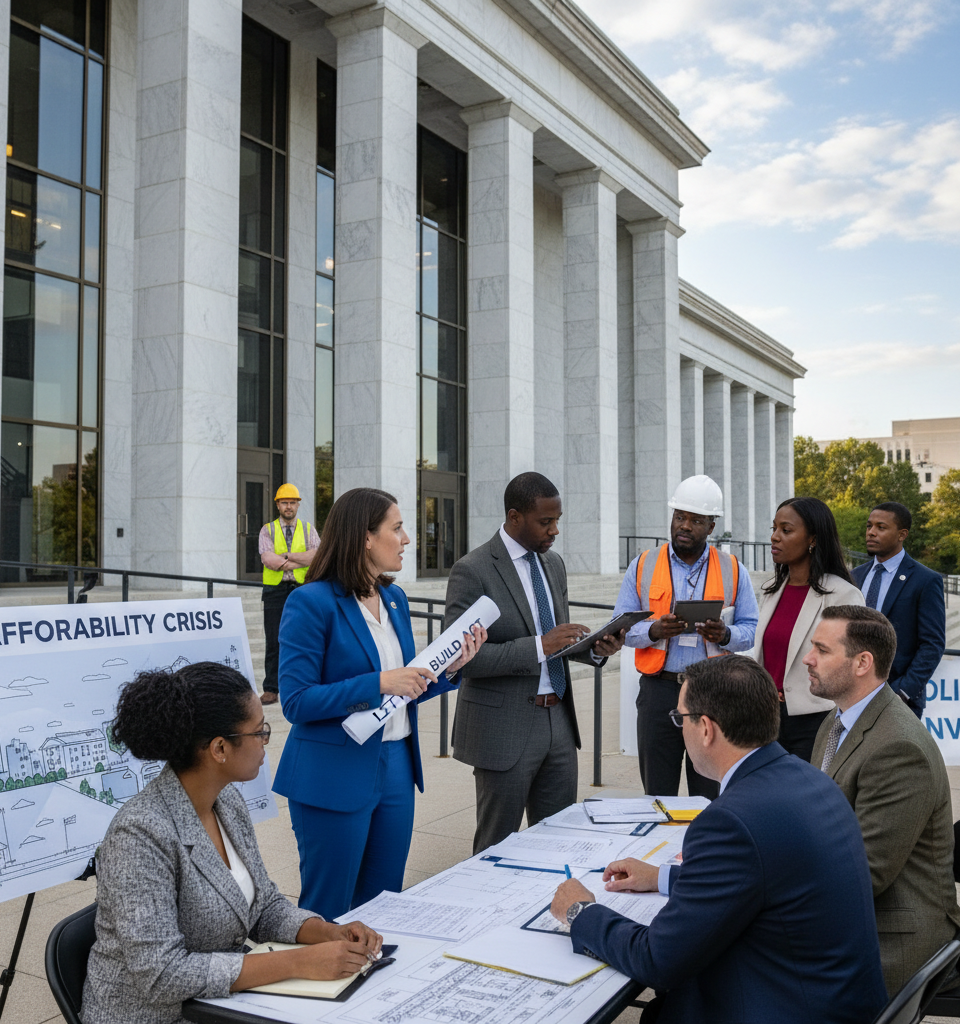
Raleigh, NC – North Carolina Democratic Senator Woodson Bradley has introduced Senate Bill 557, known as the “Let Them Build Act,” a legislative proposal designed to expedite housing development by reforming environmental review procedures. Filed on Thursday afternoon, the bill aligns with concurrent efforts by House Democrats, who recently introduced their own comprehensive housing package, “Relieving Housing Bottlenecks,” reflecting a concerted push within the state legislature to address North Carolina’s severe housing affordability and supply crisis. The legislative initiatives underscore a growing recognition among policymakers that regulatory hurdles contribute significantly to the protracted timelines and escalating costs of new construction, exacerbating the state's housing deficit.
The Urgency of Housing Reform
North Carolina has experienced rapid population growth over the past decade, leading to surging housing demand that has outpaced supply. The median home price in North Carolina climbed by over 30% from 2020 to 2023, with some urban centers experiencing even steeper increases. Experts estimate the state faces a deficit of well over 200,000 affordable housing units, a number projected to grow without significant intervention. This crisis impacts both renters and potential homeowners, with rising rents and prohibitive homeownership costs disproportionately affecting lower and middle-income families. The “Let Them Build Act” aims to tackle one facet of this complex problem: the often lengthy and intricate environmental review processes that can delay projects by months or even years, adding substantial costs that are ultimately passed on to consumers.
Key Provisions of the "Let Them Build Act"
While specific details of Senate Bill 557 are still emerging, preliminary indications suggest the “Let Them Build Act” will target inefficiencies within the state’s environmental permitting framework. The bill is expected to include provisions that could standardize certain review periods, establish clear deadlines for agency responses, and potentially exempt specific types of infill development or projects within designated growth areas from redundant environmental assessments. Senator Bradley's office has indicated that the legislation aims to strike a balance between environmental protection and the critical need for housing, by focusing on processes rather than diminishing protections. This approach parallels strategies seen in other states grappling with similar issues, where streamlining has led to more predictable development timelines without compromising ecological integrity.
Impact on the Construction and Real Estate Sector
The proposed legislation could have a transformative impact on North Carolina's construction and real estate sectors. Developers frequently cite regulatory delays and the unpredictability of environmental reviews as major impediments to project viability. By shortening permitting times and increasing certainty, the “Let Them Build Act” could incentivize more construction, particularly of multi-family housing and mixed-use developments that often face the most scrutiny. Increased supply, in theory, should help temper rapidly escalating housing prices and rental rates. Furthermore, streamlined processes could reduce the soft costs associated with development – expenses like legal fees, interest on loans during protracted approval periods, and administrative overhead – which currently constitute a significant portion of overall project budgets.
Expert Perspectives on Environmental Streamlining
Environmental policy experts and urban planners offer mixed but generally pragmatic views on such reforms. Dr. Eleanor Vance, an environmental law professor at UNC Chapel Hill, comments, “While the intent to address housing is laudable, it's crucial that any streamlining doesn't inadvertently create loopholes that could harm sensitive ecosystems or overburden local infrastructure. The devil will be in the details of how ‘streamlining’ is defined and implemented.” Conversely, members of the North Carolina Home Builders Association have voiced strong support, with one spokesperson noting, “Predictability is paramount. If we can cut six months off a project lifecycle through more efficient reviews, that’s hundreds of thousands of dollars saved, which can translate into more affordable units for North Carolinians.”
The Path Forward and Collaborative Efforts
Both Senator Bradley's “Let Them Build Act” and the House Democrats' “Relieving Housing Bottlenecks” bill are in their early stages, requiring extensive debate, potential amendments, and votes in their respective chambers before reaching the Governor's desk. The strong bipartisan recognition of the housing crisis, however, suggests a higher likelihood of some legislative action during the current session. Key discussions will revolve around balancing the urgency of housing production with environmental stewardship, particularly regarding wetlands, water quality, and biodiversity.
Collaborative efforts between various state agencies, environmental groups, and housing advocates will be crucial in shaping the final legislation to ensure it delivers effective solutions without unintended consequences, paving the way for a more sustainable and affordable housing future for North Carolina residents.