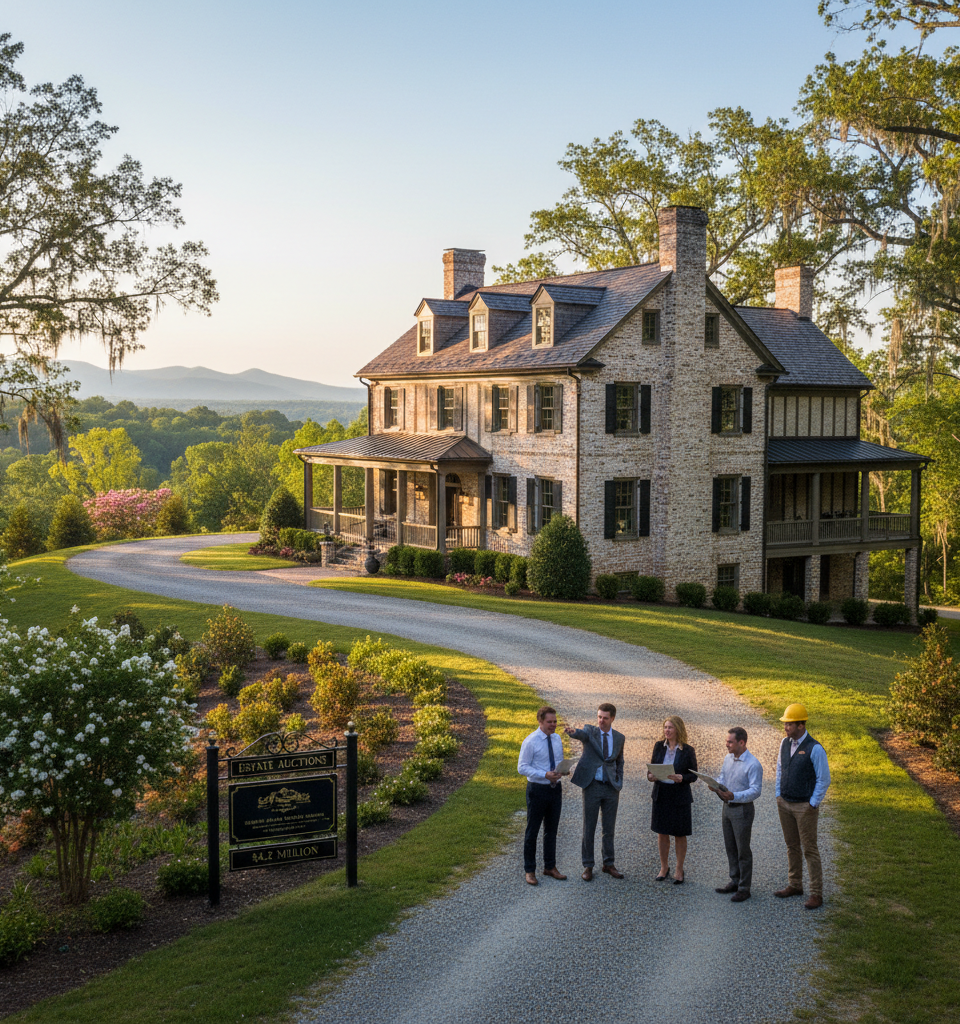
A meticulously restored North Carolina residence, boasting a purported 200-year history, has recently come onto the market with an asking price of $4.2 million. The sale follows a multi-year, intensive renovation that, paradoxically, unveiled more questions than answers regarding the property's actual construction date and provenance. Located in a historically significant region, the dwelling's listing has ignited considerable interest from both prospective buyers and historical experts keen to unravel its enigmatic past.
Historical Ambiguity and Colonial Claims
For decades, the property was widely believed to be a seminal example of colonial North Carolina architecture, with local folklore suggesting its construction in the late 18th or early 19th century. This historical narrative significantly contributed to its perceived value and cultural importance. However, as the recent restoration peeled back layers of subsequent alterations, forensic architectural analysis and dendrochronology (tree-ring dating) revealed inconsistencies. Evidence emerged suggesting that while parts of the structure might incorporate older materials or even a much earlier foundation, the substantial majority of the existing edifice could date to a later period, possibly the mid-19th century or even earlier 20th century, masquerading as a far older building due to historical modifications and aesthetic choices.
The Meticulous Restoration and Its Revelations
The multi-year restoration project, spearheaded by the most recent owners, aimed to preserve the home's historic integrity while updating its infrastructure for modern living. This comprehensive effort involved careful deconstruction, material analysis, and the integration of contemporary systems discreetly. The project reportedly cost upwards of $2 million, on top of the initial purchase price, and involved skilled craftspeople specializing in historic preservation. It was during this painstaking process that architectural historians and material scientists observed anomalies in timber cuts, nail types, and construction techniques that challenged the long-held 200-year timeline, prompting a re-evaluation of its true age.
Market Impact in a Niche Segment
The revelation, while not deterring interest, has certainly complicated the marketing narrative for such a specialized property. Historically significant homes typically command a premium, with properties verifiably dating back to the 18th century often seeing price tags 20-30% higher than similarly sized homes from later periods. This North Carolina listing now sits in a unique market segment, appealing to buyers seeking historical charm but also navigating the ambiguity of its precise origins. The $4.2 million price point reflects not only the comprehensive restoration and prime location but also the intangible value of its compelling, albeit uncertain, history. Real estate agents specializing in historic properties note that transparency about such findings is crucial for maintaining buyer trust in this high-value niche.
Expert Perspectives on Historical Reinterpretation
Dr. Eleanor Vance, a professor of architectural history at the University of North Carolina, commented, "This case highlights a common challenge in historic preservation. Homes often evolve over centuries, incorporating elements from different eras. What appears to be an 18th-century structure might, upon closer inspection, be a 19th-century rebuild utilizing some earlier components, or even a pastiche designed to evoke a certain historical period." She adds that such discoveries are not uncommon and contribute to a deeper, more nuanced understanding of architectural heritage, emphasizing that the intrinsic value of these properties often lies in their layers of history, regardless of the earliest precise date of construction. This reinterpretation does not necessarily diminish its historical significance but rather reframes it.
Future Prospects and Ongoing Historical Inquiry
The property's listing is expected to attract a discerning buyer who appreciates not only its exquisite restoration and modern amenities but also the intriguing mystery surrounding its past. The sale could potentially fund further historical research into the property, perhaps through archival dives or advanced material analysis, offering an opportunity to definitively resolve the chronological discrepancies. Beyond the immediate transaction, this case serves as a poignant reminder that history, particularly in the built environment, is often a dynamic and evolving narrative, subject to reinterpretation with new evidence and investigative methodologies. The home stands as a physical testament to the enduring allure and complexities of North Carolina's rich architectural legacy.
Preservation and Authenticity Debates
The controversy surrounding the home's verifiable age also sparks broader discussions within the historic preservation community about the definition of authenticity and the ethics of marketing historic properties. Preservationists are often tasked with balancing original fabric with necessary interventions and accurate historical representation. This North Carolina example demonstrates the critical need for thorough historical research and documentation, ideally before extensive restoration work begins, to preempt such ambiguities. The outcome of this sale, and any subsequent revelations, will likely be closely watched by practitioners in both the real estate and historic preservation sectors nationwide.