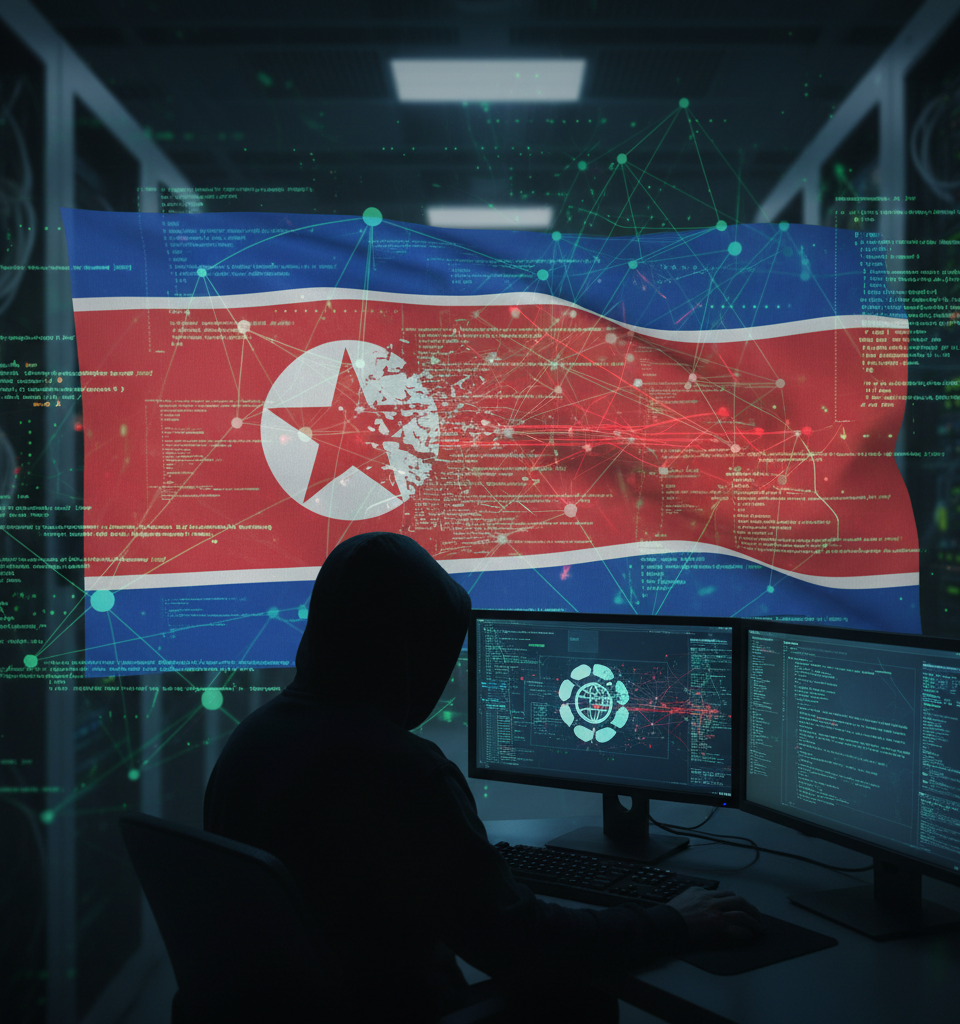
PYONGYANG/GLOBAL – In a sophisticated and likely protracted cyber-espionage campaign, North Korean state-sponsored hacking groups have successfully compromised a widely utilized open-source project, embedding malicious code through engineered updates. The incident, which came to light following a breach of a prominent developer's workstation, allowed the Pyongyang-backed actors to distribute tainted software versions for an unspecified period, posing a significant supply chain integrity risk to organizations globally. This attack highlights a troubling escalation in state-sponsored cyber warfare, leveraging the inherent trust within the open-source community to propagate malware on an unprecedented scale.
A Growing Threat to Digital Foundations
This incident is not merely an isolated security breach but a stark reminder of the increasing vulnerability of the global software supply chain. Open-source software, the bedrock of countless applications and digital services, relies on a decentralized model of contributions, often by volunteers. This model, while fostering innovation, also presents unique challenges for security vetting. Experts have long warned that compromising a single, influential developer account or project repository could have catastrophic downstream effects, impacting thousands, if not millions, of users and enterprises. The current attack aligns with North Korea's established pattern of leveraging cyber capabilities for strategic objectives, including espionage, sanctions evasion, and financial gain.
In-Depth Analysis of the Breach Mechanics
The attack vector reportedly involved the compromise of a key developer's personal machine, providing North Korean agents with unauthorized access to the project's development environment. This enabled them to inject malicious code directly into legitimate updates, a tactic known as a supply chain attack. While the specific open-source project remains undisclosed to mitigate further risk, security researchers indicate its widespread adoption across various industries. The malicious code is believed to have been designed for espionage, potentially allowing data exfiltration or providing a backdoor for future access. The operation's duration, estimated to be several weeks, suggests a highly patient and meticulously planned campaign, far exceeding a drive-by attack.
Broader Implications for Industry and Government
The reverberations of this breach are expected to be profound, extending far beyond the immediate users of the affected project. Companies integrating this open-source component into their software stack now face a critical reassessment of their security posture. Governments and critical infrastructure operators, increasingly reliant on third-party software, will demand greater transparency and more robust security audits throughout the software development lifecycle. The economic impact could be substantial, encompassing remediation costs, potential data breaches, and a loss of confidence in the integrity of widely used software components. This incident underscores the urgent need for a collective industry effort to bolster supply chain security.
Expert Commentary on State-Sponsored Tactics
Cybersecurity experts are weighing in on the sophistication of the attack. "This isn't an opportunistic hack; this is a highly targeted, nation-state operation," stated Dr. Evelyn Reed, a senior cybersecurity analyst at the Digital Trust Institute. "Compromising a lead developer is a masterstroke in supply chain warfare. It exploits the very trust upon which the open-source community is built." She further elaborated that early detection of such sophisticated campaigns is notoriously difficult, especially when attackers mimic legitimate developer activity. The incident also serves as a reminder of the need for multi-factor authentication, robust endpoint security, and regular security awareness training for all developers, regardless of their project's profile.
The Path Forward: Remediation and Prevention
The immediate priority for the affected open-source project is to isolate the malicious code, revoke compromised credentials, and issue clean, verified updates to its user base. For the broader industry, this event is a catalyst for enhanced security protocols. This includes stricter code review processes, independent security audits of critical open-source dependencies, and improved threat intelligence sharing among organizations. Regulatory bodies may also consider introducing new mandates for software supply chain security, pushing the onus onto companies to ensure the provenance and integrity of all integrated components. The long-term implications will likely involve a fundamental re-evaluation of trust models within software development, potentially paving the way for technologies like verifiable builds and software bill of materials (SBOMs) to become standard practice.
Future Implications for Cybersecurity Landscape
This North Korean-attributed attack signals a continued shift toward sophisticated supply chain compromises as a preferred method for state-sponsored actors. As traditional network perimeters become more resilient, bad actors are increasingly targeting the upstream software providers and open-source ecosystems. This trend will necessitate a proactive and collaborative approach to cybersecurity, moving beyond reactive defenses to predictive threat intelligence and integrated security throughout the entire software lifecycle. The incident serves as a stark warning that no organization, regardless of size or sector, is immune to these evolving threats, and ongoing vigilance is paramount to safeguard global digital infrastructure.