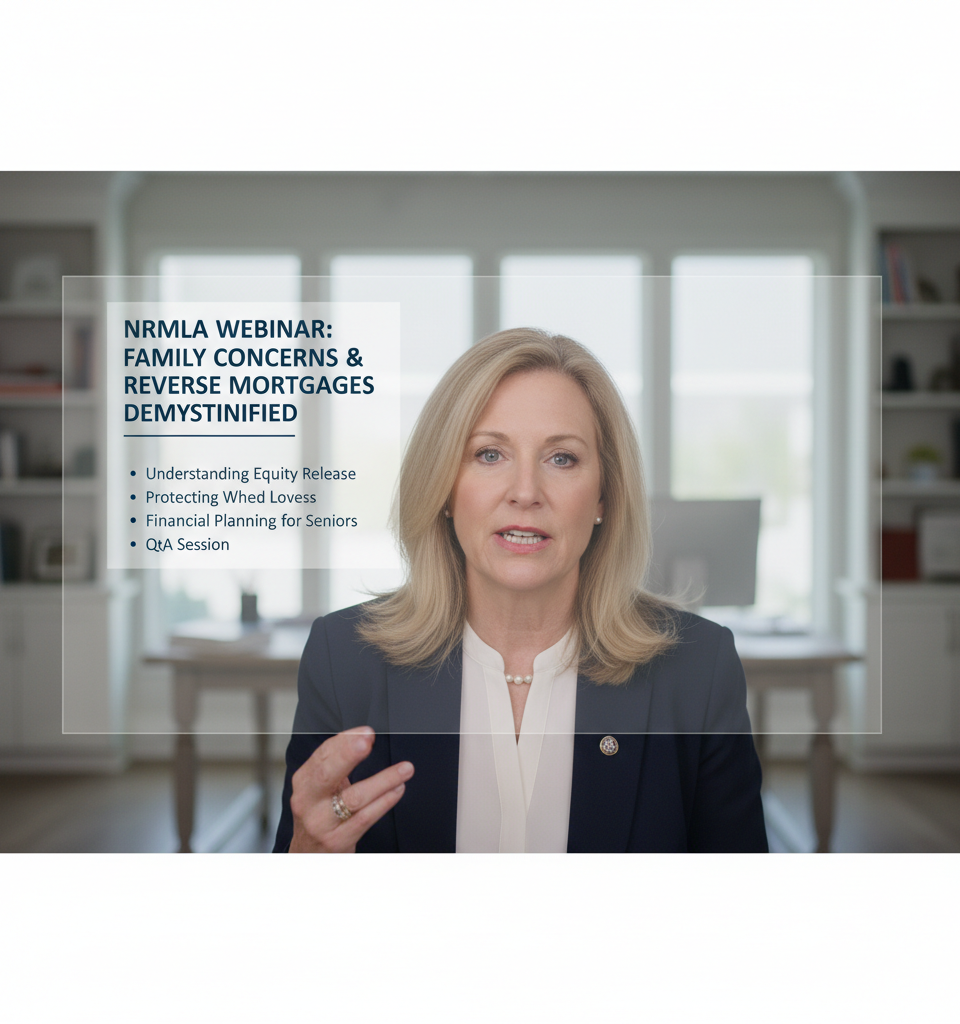
The National Reverse Mortgage Lenders Association (NRMLA) is set to host a pivotal webinar featuring Barbara Cripple, Vice President of Home Equity Retirement Solutions at Finance of America Reverse. Scheduled for an upcoming date, the session will delve into the nuanced and often challenging aspects of family influence on reverse mortgage decisions, addressing prevalent misconceptions and the inherent obligations that can arise when seniors consider leveraging their home equity. This initiative underscores the industry's commitment to transparency and informed decision-making for older homeowners and their families.
Context and Industry Significance
Reverse mortgages, while offering significant financial flexibility for seniors, frequently encounter skepticism and misunderstanding from adult children and other family members. This often stems from a lack of knowledge regarding the product's mechanics, its regulatory framework, and its long-term implications. Historically, the industry has grappled with negative perceptions, sometimes fueled by misrepresentation or a failure to adequately educate stakeholders beyond the immediate borrower. NRMLA's proactive approach through this webinar reflects a concerted effort to foster better communication and build trust within families, recognizing that family support or opposition can be a critical factor in a reverse mortgage's success.
Key Focus Areas and Expert Insight
Barbara Cripple, a seasoned veteran in the reverse mortgage space, is expected to provide actionable insights. The webinar will specifically address common family concerns, such as the perceived impact on inheritance, the fear of losing the home, and the complexities of repayment obligations. Cripple will also tackle persistent reverse mortgage myths, offering factual counterpoints to misinformation. "Understanding the family dynamic is paramount," Cripple recently stated, emphasizing the need for lenders to be not just product specialists, but also empathetic communicators. "We need to equip lenders with the tools to address these concerns head-on, ensuring families have accurate information to support their loved ones' financial decisions without undue apprehension."
Impact on the Reverse Mortgage Market
This educational initiative is anticipated to have a positive ripple effect across the reverse mortgage market. By empowering lenders to better navigate family consultations, the industry could see a reduction in application drop-offs due to familial hesitation. Improved family understanding could also lead to a more positive public perception of reverse mortgages, potentially broadening their acceptance as a legitimate retirement planning tool. While precise data on family intervention’s impact on reverse mortgage adoption is difficult to quantify, anecdotal evidence suggests it's a significant barrier. Expanding education could unlock a substantial segment of potential borrowers who might otherwise be deterred.
Expert Perspectives and Analysis
Industry analysts generally view NRMLA's focus on family dynamics as a timely and strategic move. "The 'kitchen table' discussion is often where reverse mortgage decisions are truly made or unmade," comments a leading residential mortgage analyst who wished to remain anonymous. "By front-loading education for lenders on how to manage these sensitive conversations, NRMLA is addressing a core challenge to the product's growth and reputation." Others point out that effective communication with families can also mitigate future disputes, reducing potential legal or reputational risks for lenders and servicers. The long-term goal is to transform family members from potential roadblocks into informed advocates.
Future Implications and Developments
Looking ahead, the success of this webinar could pave the way for more comprehensive NRMLA initiatives focused on broader family engagement. This might include developing standardized resources for family members, creating consumer-facing educational materials specifically designed to address adult children's concerns, or even exploring collaborative efforts with financial planners who often advise multi-generational families. The industry recognizes that as the baby boomer generation ages and seeks diverse retirement funding solutions, the role of family in financial decisions will only grow. Therefore, proactive engagement and transparent communication will be crucial for the continued responsible growth and acceptance of reverse mortgages within the broader financial landscape.