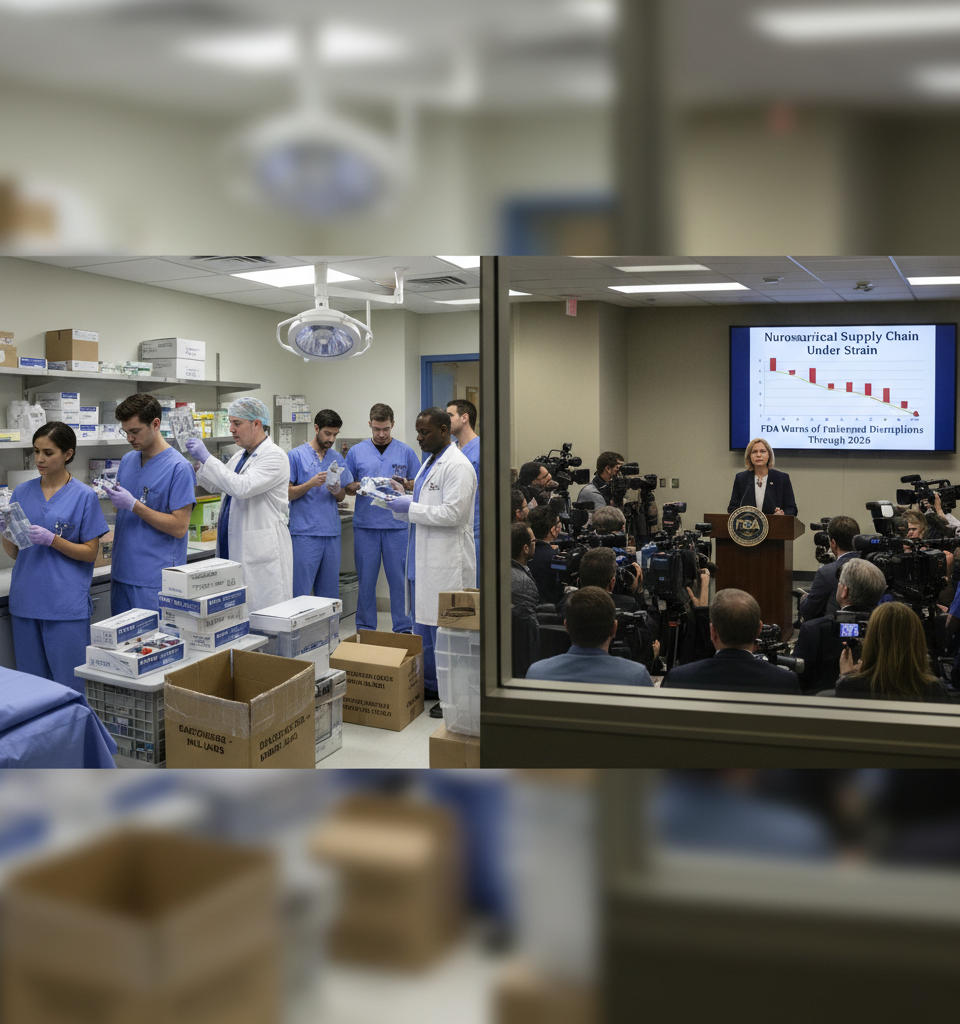
The U.S. Food and Drug Administration (FDA) has sounded the alarm over significant and continuing disruptions in the supply of critical neurosurgical instruments, specifically neurosurgical patties, sponges, and strips. This week, the federal agency notified healthcare providers that these essential surgical consumables, indispensable for a wide range of neurological procedures, are projected to experience intermittent availability issues through 2026. The announcement highlights a persistent and complex supply chain vulnerability, impacting hospitals, surgeons, and patients reliant on these specialized materials for safe and effective neurological interventions.
Context and Background
Neurosurgical patties, sponges, and strips are made from highly absorbent materials, often cotton or rayon, and are meticulously designed to manage bleeding and absorb cerebrospinal fluid (CSF) during delicate brain and spinal surgeries. Their precise dimensions and high absorbency are crucial for maintaining a clear surgical field and preventing complications, especially given the sensitivity of neural tissues. The current shortages are not an isolated incident but rather a symptom of broader fragilities that have plagued the global medical supply chain since the onset of the COVID-19 pandemic. Factors such as manufacturing delays, raw material scarcity, labor shortages, and geopolitical events have contributed to a volatile environment for medical device production and distribution.
Key Details and Specifics
The FDA's communication explicitly states that the disruptions are widespread across various manufacturers, affecting a substantial portion of the market for these particular products. While specific manufacturers were not named in the public alert, sources within the medical device industry suggest that issues range from difficulties in sourcing medical-grade raw materials—some of which are highly specialized and have limited global suppliers—to bottlenecks in sterilization processes and packaging. The agency did not provide an estimated percentage of the market affected but emphasized the critical nature of these supplies, noting that suitable substitutes are often limited or do not fully replicate the performance characteristics required for neurosurgical precision.
Healthcare systems have reported resorting to stringent conservation measures, cross-hospital sharing networks, and even the postponement of non-emergency procedures in situations of acute shortage.
Industry and Market Impact
The prolonged shortage is poised to have a substantial ripple effect across the healthcare industry. Neurosurgical departments, already operating with tight schedules and under immense pressure, face increased logistical burdens, potential delays in patient care, and elevated costs associated with sourcing alternative products or managing inventory shortfalls. Smaller hospitals and rural facilities, which may have less purchasing power or fewer alternative supply channels, are particularly vulnerable.
The market for neurosurgical supplies, estimated globally in the billions of dollars annually, relies heavily on a few key specialized manufacturers. Any disruption to even one major player can send shockwaves through the entire system, impacting patient access to timely and critical surgical interventions. Industry analysts predict increased prices for available stock and a heightened competitive environment among healthcare providers for secured inventories.
Expert Perspective
Dr. Elaine Chen, a leading neurosurgeon and healthcare supply chain expert, commented on the situation, stating, "These aren't just any sponges; they are highly specialized tools integrated into complex surgical protocols. Their absence forces surgeons to adapt in real-time, potentially increasing operative times and, in some cases, raising the risk of complications. The FDA's extended timeline to 2026 is a stark reminder that this is not a transient problem but a deeply entrenched systemic issue requiring long-term strategic solutions." She further emphasized the need for greater transparency from manufacturers and proactive communication channels between regulatory bodies and healthcare providers to mitigate the impact on patient outcomes.
What's Next: Future Implications and Developments
In response to the current and anticipated shortages, the FDA has indicated it will continue to monitor the situation closely and facilitate communication between manufacturers and healthcare providers. The agency is also exploring regulatory flexibilities that could expedite the approval of new or alternative products, while ensuring patient safety remains paramount. Hospitals and surgical centers are advised to implement robust inventory management strategies, consider diversifying their supplier base where possible, and develop contingency plans for crucial procedures.
Looking ahead, this crisis may accelerate trends towards reshoring manufacturing of critical medical supplies or at least establishing more redundant and geographically diverse supply chains to insulate against future shocks. The incident serves as a critical call to action for policymakers and industry leaders to invest in a more resilient and transparent global medical supply ecosystem, ultimately safeguarding patient access to essential care.
Addressing the Root Causes
The persistent nature of these disruptions points to deeper structural issues within the medical device manufacturing sector. Reliance on single-source suppliers for niche components, just-in-time inventory systems, and a lack of significant domestic manufacturing capacity for specialized goods leave the entire system fragile. The estimated duration of the shortage through 2026 suggests that resolution will require substantial capital investment in new manufacturing lines, re-tooling facilities, and securing long-term contracts for raw materials.
This also necessitates a re-evaluation of regulatory pathways to ensure they can adapt to urgent supply chain needs without compromising quality or safety standards. The healthcare sector, alongside governmental bodies, must collaborate to foster an environment that encourages greater resiliency and prevents similar critical shortages in the future.