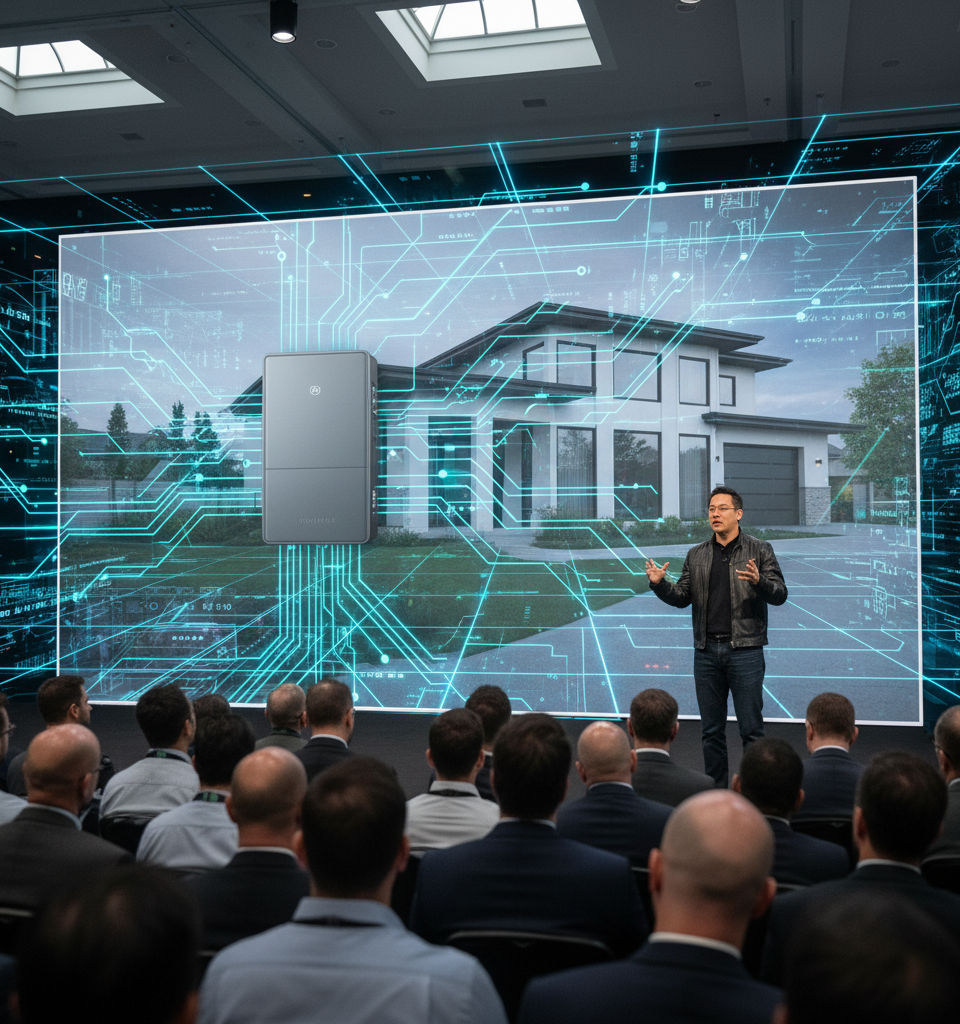
Nvidia, the dominant force in AI computing, is publicly endorsing an innovative, yet potentially disruptive, endeavor to integrate mini-data centers into residential settings. The initiative, proposed by California-based smart utility box manufacturer Span, envisions compact computing units, resembling standard HVAC systems, placed directly adjacent to homes. The strategic rationale is clear: by situating these GPU-laden servers where power has already been allocated, the project seeks to circumvent the formidable challenge of upgrading an aging electrical grid – a primary bottleneck to expanding traditional data center capacity. This bold move could fundamentally alter the landscape of distributed computing and energy consumption.
Historically, the insatiable demand for computing power, particularly accelerated by the AI boom, has placed immense pressure on existing data center infrastructure and, critically, the electrical grids that support them. Building new large-scale data centers or significantly expanding existing ones often involves multi-year timelines and billions of dollars in investment, much of which is funneled into power infrastructure upgrades and new energy procurement. The distributed model championed by Span and Nvidia aims to decentralize this consumption, moving computational loads closer to energy sources already designed for residential demand, thus sidestepping, at least in theory, many of these capital-intensive grid retrofits. This approach harkens back to earlier debates around edge computing, but with a more profound residential integration.
Span's core proposition centers on the average household's often underutilized electrical capacity. While peak power consumption for a typical U.S. home might hover between 5 to 10 kilowatts, the grid connection often provides far more, sometimes up to 20 or even 40 kilowatts. Span's proposed mini-data centers are designed to operate within these existing residential power envelopes, drawing an estimated 5-10 kilowatts per unit. Each sealed, weather-resistant enclosure would house multiple Nvidia GPUs, turning residential properties into micro-nodes in a vast, distributed computing network. Span has not yet disclosed specific pilot locations or deployment timelines, but early demonstrations suggest a modular, plug-and-play approach, with the homeowner potentially receiving compensation or benefits for hosting the unit.
The potential impact on the broader technology and energy sectors is multifaceted. For Nvidia, this represents a significant expansion of its market reach, enabling new avenues for GPU deployment beyond corporate data centers. It could also accelerate the adoption of AI and advanced computing by making infrastructure more accessible and geographically dispersed. For utility companies, the prospect is double-edged. While it offloads some demand from new large-scale infrastructure projects, it introduces new load patterns and management complexities at the residential level. Grid operators would need advanced tools to monitor and manage these aggregated micro-data center loads to prevent localized overloads and ensure system stability. Furthermore, regulatory frameworks around energy production, consumption, and data privacy for such distributed systems are still in their infancy.
Industry experts are watching this development with a mix of intrigue and caution. "The concept of hyper-distributed data centers is compelling from an energy efficiency and latency perspective," noted Dr. Eleanor Vance, a senior analyst specializing in grid modernization at Evergreen Research. "However, the challenge lies not only in the technology but in the socio-economic and regulatory integration. Who bears the ultimate cost of potential grid fluctuations, and how are homeowners compensated fairly and transparently? These are critical questions that Span and Nvidia will need to address comprehensively." Others highlight the cybersecurity implications of distributing sensitive computing infrastructure across potentially hundreds of thousands of residential sites, each with varying levels of physical and network security.
Looking ahead, the success of this residential mini-data center model hinges on several key factors. Demonstrating robust grid integration capabilities, clear economic benefits for homeowners, and a scalable deployment strategy will be paramount. Span and Nvidia are likely to pursue pilot programs in select regions to refine the technology and address regulatory hurdles. If successful, this initiative could usher in a new era of distributed computing, transforming residential homes into active participants in the global computational network and potentially reshaping how the world accesses and utilizes high-performance computing resources. Further announcements regarding partnerships with utility providers or detailed compensation models for homeowners are anticipated in the coming months, offering more clarity on the future trajectory of this ambitious undertaking.