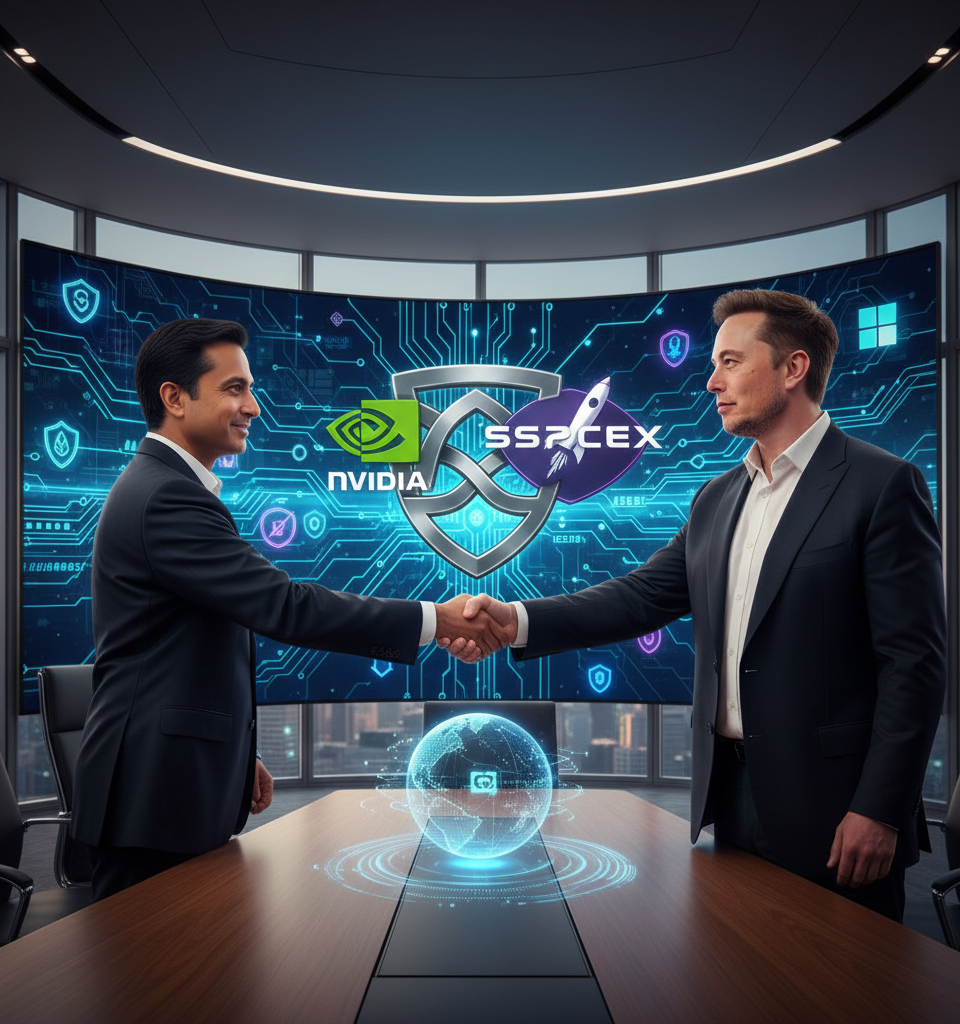
Nvidia has announced a strategic alliance, joined by industry titans Microsoft and SpaceX, to spearhead a new cybersecurity initiative focused on open-source artificial intelligence. The collaboration intends to democratize access to robust cybersecurity measures for AI systems, directly addressing the escalating security concerns that accompany the rapid development and deployment of open-source AI technologies.
The genesis of this initiative lies in the growing recognition that while open-source AI fosters innovation and collaboration, it also introduces unique vulnerabilities. As AI models become more ubiquitous across critical infrastructure, from financial systems to national defense, ensuring their integrity and resilience against sophisticated cyber threats has become paramount. This move by Nvidia and its partners signals a concerted effort from key industry players to proactively mitigate potential risks before they can be widely exploited.
The alliance's core mission is to develop and disseminate cybersecurity best practices, tools, and frameworks specifically tailored for open-source AI. This includes fostering a community-driven approach to identifying and patching vulnerabilities, establishing standards for secure AI development, and promoting educational resources. While specific programs and timelines have not yet been fully detailed, the emphasis appears to be on creating an ecosystem where open-source AI can thrive securely, without stifling innovation.
This development is poised to significantly impact the broader AI industry. By bringing together diverse expertise from hardware manufacturers like Nvidia, software giants like Microsoft, and cutting-edge technology companies like SpaceX, the alliance aims to set a new benchmark for AI security. It could encourage other technology companies and developers to adopt more rigorous security practices for their open-source AI projects, ultimately raising the overall security posture of the entire AI landscape.
While the announcement did not include specific expert commentary, the formation of such a high-profile alliance underscores the industry's acknowledgement of AI cybersecurity as a critical and immediate challenge. Analysts are likely to view this as a necessary step to build trust in AI systems, particularly as regulatory bodies worldwide begin to scrutinize AI ethics and security more closely. The initiative could also lead to new partnerships and investments in specialized AI security startups.
The future implications of this alliance are substantial. It could foster a more secure foundation for the next generation of AI applications, accelerating adoption in sensitive sectors and critical functions. We can anticipate the alliance to roll out specific projects and open-source contributions in the coming months, actively soliciting participation from the wider developer community. The success of this endeavor will hinge on its ability to effectively coordinate efforts across multiple organizations and adapt to the constantly evolving threat landscape.
Moreover, the initiative has the potential to influence policy and regulatory discussions surrounding AI security. By proactively establishing industry standards, the alliance could provide a model for governments seeking to legislate secure AI development and deployment. This collaborative approach, combining corporate leadership with community engagement, may prove vital in safeguarding the AI innovations that are increasingly central to modern society.
Ultimately, this alliance represents a significant step towards a more secure and trustworthy future for open-source AI. The combined power and influence of Nvidia, Microsoft, and SpaceX suggest a serious commitment to addressing one of the most pressing challenges in artificial intelligence today.