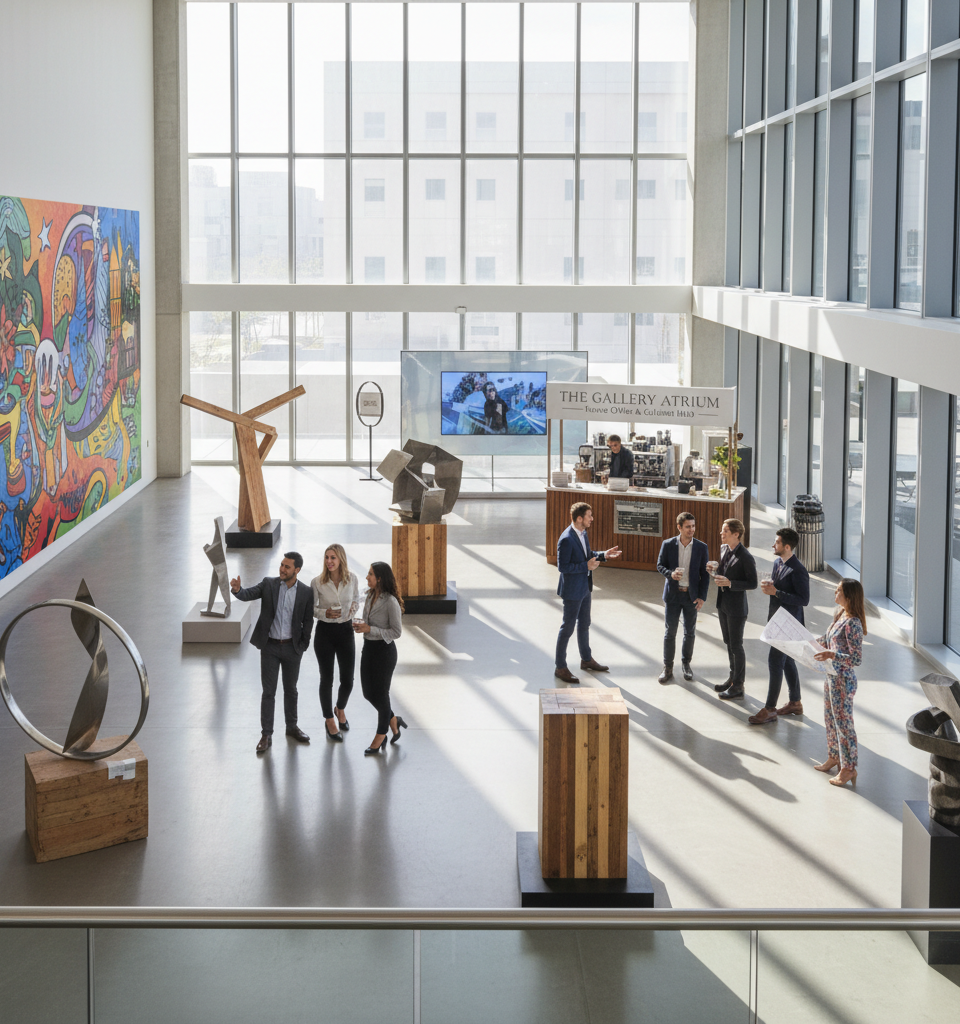
In a burgeoning trend across struggling commercial real estate markets, office landlords are transforming their properties into dynamic art galleries and exhibition spaces in an effort to entice and retain tenants. This innovative approach, which has gained significant traction in the two years since Merrick Porchéddu pivoted her consulting business to focus on corporate art integration, underscores a broader strategic shift within the industry. Landlords are reportedly investing substantial sums into these artistic endeavors, recognizing the potential for cultural enrichment to differentiate their offerings and create more appealing work environments.
The genesis of this movement can be traced back to the post-pandemic landscape, which dramatically altered traditional office occupancy rates and worker preferences. As remote and hybrid work models became entrenched, many corporations downsized their physical footprints or sought more amenity-rich, inspiring workspaces. The sterile, conventional office environment struggled to compete with the comforts of home or the allure of vibrant urban centers. In response, property owners have begun to explore creative solutions to re-engage prospective tenants and demonstrate the value proposition of a physical office presence.
Merrick Porchéddu, a prominent art consultant, is at the forefront of this transformation. Two years ago, she strategically shifted her consulting practice from the public sector to concentrate on the burgeoning demand for art within corporate workplaces. This move was predicated on the observation that the private sector was becoming a significant avenue for artists to secure commissions and exhibit their work, indicating a growing corporate appetite for cultural investment. Her work now involves curating and integrating art programs that aim to elevate office aesthetics and foster a more engaging atmosphere. The investments made by landlords are described as "tens" (of thousands or millions implicitly, though specific figures are not provided in the source description) indicating a noteworthy financial commitment to this strategy.
The impact on the broader commercial real estate (CRE) market is multifaceted. This artistic pivot signifies a broader recognition among landlords that physical space alone is no longer sufficient to attract tenants. Instead, the focus has shifted towards creating experiential workplaces that offer more than just desks and meeting rooms. By incorporating art, landlords are attempting to tap into a desire for cultural stimulation, community, and aesthetic pleasure, elements often found lacking in traditional corporate settings. This strategy could potentially set a new standard for office amenities, compelling other property owners to consider similar cultural integrations to remain competitive.
While the original description does not include specific expert quotes, the observation of Porchéddu's business pivot itself serves as an indicator of expert insight; her strategic move suggests a validated market demand and an opportunity for artists to find new revenue streams within corporate settings. The focus on “where artists are getting paid” highlights a fundamental economic driver behind this trend, indicating that art is not merely an aesthetic add-on but a valuable investment with tangible returns, both for artists and potentially for landlords.
Looking ahead, this trend is likely to evolve as landlords continue to experiment with different forms of cultural engagement. Future developments could include more interactive art installations, partnerships with local galleries and art schools, and even rotating exhibitions that keep the workspace dynamic and fresh. The success of these initiatives could influence future office design and development, prioritizing spaces that can seamlessly integrate art and culture. The ongoing efforts by landlords to win back tenants through artistic endeavors suggest that the corporate office of tomorrow may increasingly resemble a curated gallery or cultural center, redefining the very nature of the workspace in the years to come.