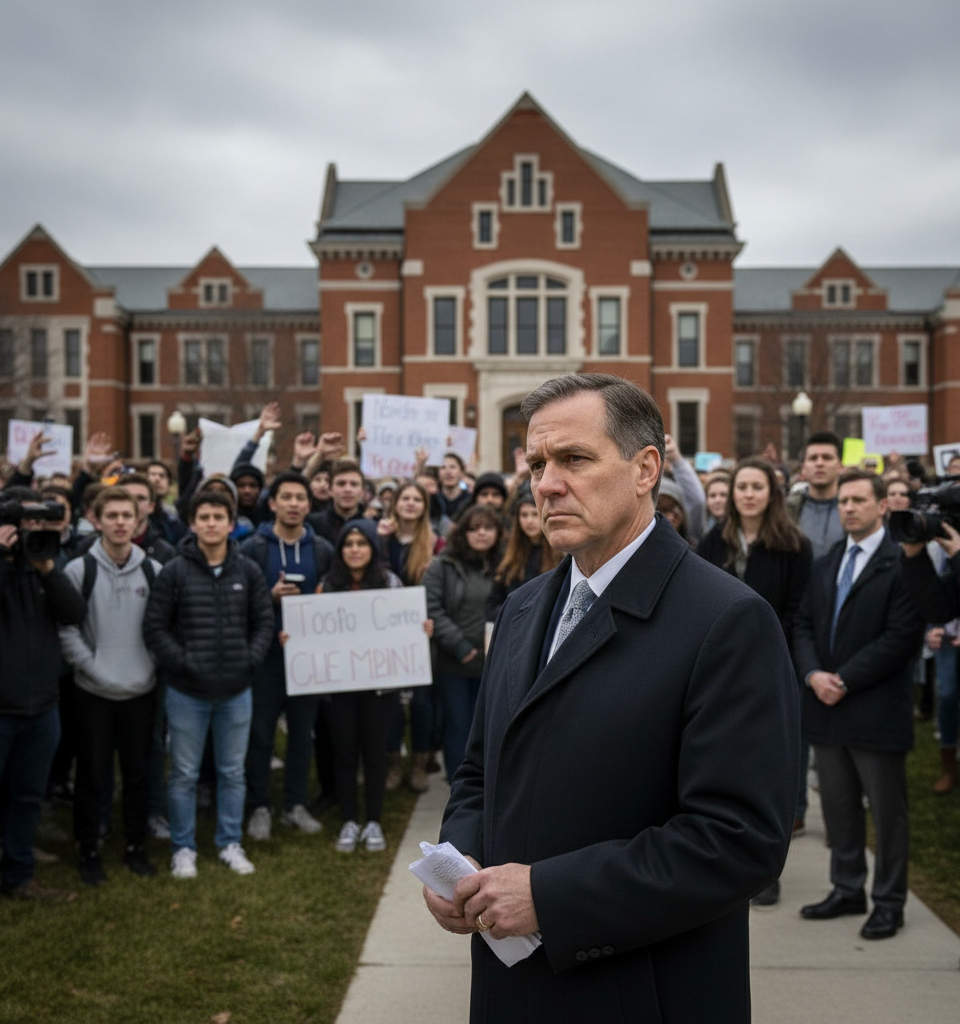
Columbus, OH – Ohio State University, a perennial powerhouse in higher education and collegiate athletics, is currently embroiled in an intensifying maelstrom of institutional crises, drawing sharp condemnation from public officials and raising eyebrows across the nation. The confluence of controversies, ranging from significant financial shortfalls to high-profile personnel disputes and ethical lapses, has cast a long shadow over the Columbus campus, threatening to tarnish its esteemed reputation. State Representative Sarah Jenkins, representing the 16th district, recently encapsulated the growing frustration by publicly labeling the institution "a national embarrassment," a sentiment echoed by an increasing number of stakeholders.
Contextualizing the Turmoil: A Shifting Landscape in Higher Ed
While no major university is immune to periodic challenges, the sheer volume and severity of the issues confronting Ohio State in recent months present a particularly daunting panorama. This period of intense scrutiny arrives at a time when public confidence in higher education is already experiencing a downturn, exacerbated by concerns over rising tuition costs, free speech debates, and institutional accountability. For Ohio State, an entity with an annual operating budget exceeding $8 billion and a student body surpassing 65,000, the stakes are exceptionally high. The university's historical commitment to academic excellence and athletic prowess is now being overshadowed by a narrative of internal strife and external criticism, marking a significant departure from its usually esteemed public image.
Unpacking the Crises: A Litany of Challenges
The current wave of troubles is multifaceted. Financial pressures represent a significant hurdle, with recent reports indicating a projected budget deficit of approximately $75 million for the upcoming fiscal year, primarily attributed to declining state appropriations and unexpected operational costs. This fiscal strain has already led to freezes in hiring for certain departments and intensified discussions around program prioritization. Concurrently, the university is grappling with the fallout from an internal investigation into alleged misuse of funds within a prominent research division, leading to the termination of two senior administrators and calls for greater transparency in financial oversight. Furthermore, a high-profile scandal involving the athletic department and allegations of inappropriate conduct by a former coach has reignited debates about institutional oversight and the prioritization of athletic success over ethical conduct. The university has reportedly spent upwards of $15 million in legal fees and settlements related to these various investigations over the past 18 months.
Broader Implications: A Ripple Effect on the Collegiate Ecosystem
The predicaments at Ohio State extend far beyond its campus gates, sending ripples through the broader landscape of collegiate sports and higher education. As one of the nation's largest and most visible public universities, its struggles serve as a cautionary tale for peer institutions grappling with similar challenges in a rapidly evolving educational environment. The financial dislocations could trigger similar belt-tightening measures at other state-funded universities facing dwindling public support. Moreover, the governance issues and questions of accountability reverberate across major athletic conferences, prompting discussions about independent oversight mechanisms and the ethical responsibilities of university leadership in an era of multi-million-dollar athletic programs.
Expert Insights: Navigating a Labyrinth of Challenges
Dr. Elaine Thompson, a senior fellow at the Center for University Governance, offers a critical perspective. "Ohio State is facing a perfect storm," she notes. "The convergence of financial headwinds, ethical questions, and calls for greater accountability from both inside and outside the institution places immense pressure on its leadership. Their response in the coming months will be a master class, or a cautionary tale, in crisis management for large public universities." Dr. Thompson emphasizes the necessity of decisive, transparent action, stating, "Piecemeal solutions will only exacerbate the underlying issues. A comprehensive review of governance structures, financial planning, and ethical standards is not just advisable; it's imperative."
The Path Forward: Rebuilding Trust and Restoring Reputation
The immediate future for Ohio State University will be defined by its ability to address these multifarious challenges head-on. The Board of Trustees is expected to announce a series of reform initiatives in its upcoming quarterly meeting, including potential leadership changes within key administrative units and the establishment of an independent task force to review financial protocols. Furthermore, the university is likely to launch a proactive public relations campaign aimed at rebuilding trust with students, alumni, and the broader public. The success of these measures will largely depend on the degree of transparency and genuine commitment to reform demonstrated by the university's top brass. Reassuming its position as a paragon of academic and athletic excellence will require a sustained, concerted effort to navigate this turbulent period and decisively address the root causes of its current predicament.
Financial Recovery and Strategic Outlook
Looking ahead, the university faces the arduous task of not only stemming financial losses but also charting a sustainable fiscal course. This will likely involve a combination of aggressive fundraising initiatives, re-evaluation of non-essential expenditures, and potentially contentious decisions regarding academic program rationalization. The university's endowment, valued at over $6 billion, provides a significant buffer, but its utilization will undoubtedly be scrutinized. Strategic investments in high-growth research areas and online education initiatives are expected to be prioritized to diversify revenue streams. The coming 12-24 months will be crucial in determining whether Ohio State can emerge from this period of intense pressure strengthened and more resilient, or if it will continue to grapple with the fallout of its current institutional disarray.