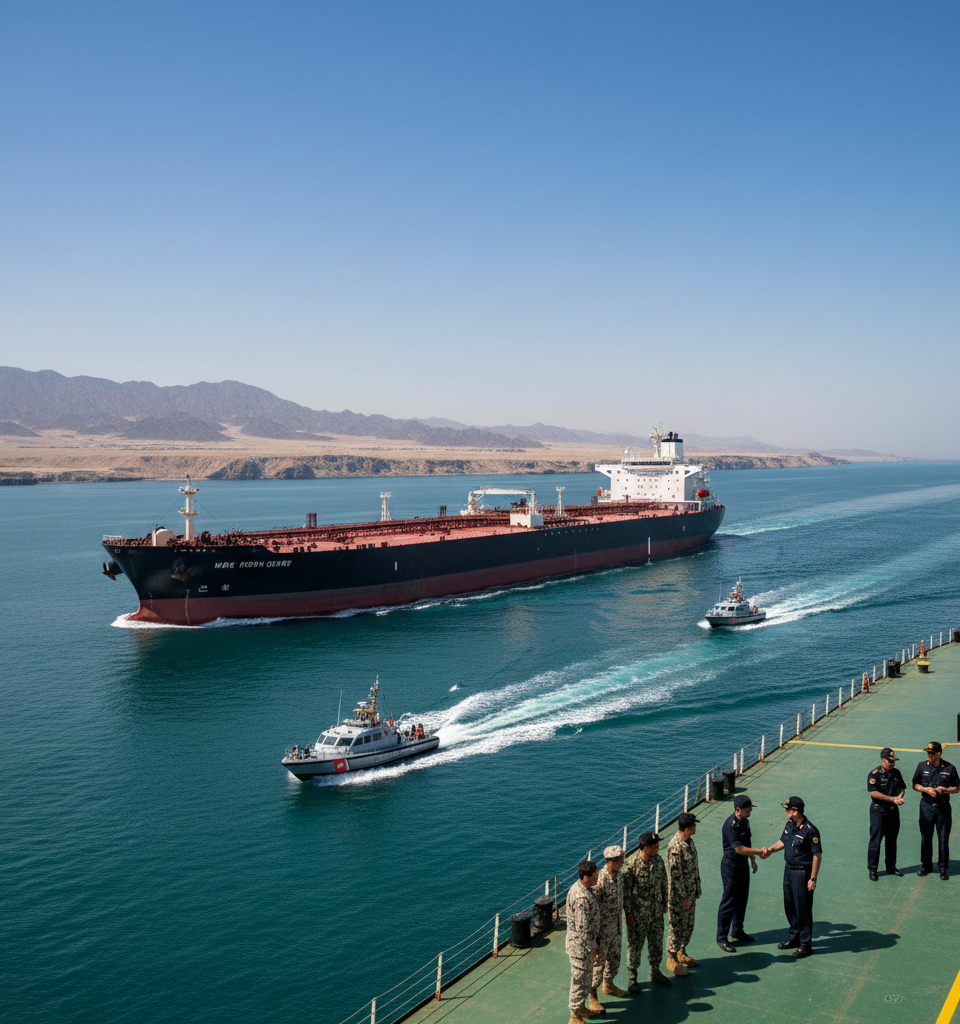
Global oil markets reacted with cautious optimism as tensions between Iran and the United States in the strategically vital Strait of Hormuz appeared to de-escalate. Brent crude, the international benchmark, opened lower, reflecting a respite from the elevated geopolitical risk that had propelled prices above $100 a barrel over the past fortnight. The development marks a significant shift after a period characterized by escalating military Posturing and isolated incidents, which had stoked fears of widespread supply disruptions from the critical Middle Eastern shipping lane. The Strait of Hormuz, a narrow waterway between the Persian Gulf and the Gulf of Oman, is a chokepoint through which roughly one-fifth of the world's total oil consumption passes daily, making any disruption a major concern for energy markets and global economies.
Geopolitical Context and Market Reaction
The recent surge in oil prices was a direct consequence of the escalating hostilities. Over the past two weeks, reports of various strikes and counter-strikes between Iranian and U.S. forces or their proxies in the region created a highly volatile trading environment. Traders and analysts alike had priced in a significant risk premium, anticipating potential bottlenecks or even outright blockades of oil tanker traffic. This speculative buying, coupled with genuine supply concerns, had driven Brent crude to levels not seen in months, breaching the psychological $100 mark.
The Strait of Hormuz: A Critical Chokepoint
The Strait of Hormuz holds immense importance for global energy security. Bounded by Iran to the north and Oman to the south, its narrowest point is just 21 nautical miles wide. Tankers carrying crude oil from major producers like Saudi Arabia, Iraq, Kuwait, and the UAE must navigate these waters to reach international markets. Historically, tensions in this region have frequently translated into spikes in oil prices, as exemplified by events in the 1980s and various incidents in the 21st century. The current pause in military engagements offers a temporary reprieve, though the underlying geopolitical complexities remain.
Oil Market Dynamics
The immediate dip in Brent prices suggests that a portion of the war-risk premium is being unwound. However, market participants remain acutely aware that the situation is fluid. The sustained period above $100 a barrel had highlighted the market's sensitivity to even perceived threats to supply. This latest downturn, while welcome for consumers and energy-importing nations, does not necessarily signal a long-term easing of price pressures. Any renewed flare-up could quickly reverse the trend, demonstrating the inherent instability linked to geopolitical events in key oil-producing regions.
Looking Ahead
While the immediate de-escalation is a positive sign for global markets, analysts are closely monitoring diplomatic efforts and military postures in the region. The underlying issues contributing to the tensions between Iran and the United States-whether political, economic, or strategic-are complex and deeply entrenched. The recent price trajectory serves as a stark reminder of how quickly seemingly localized conflicts can transmit through global commodity markets, impacting everything from inflation rates to consumer spending. The coming days and weeks will be crucial in determining whether this pause evolves into a more sustained period of calm or merely represents a temporary lull before renewed instability.