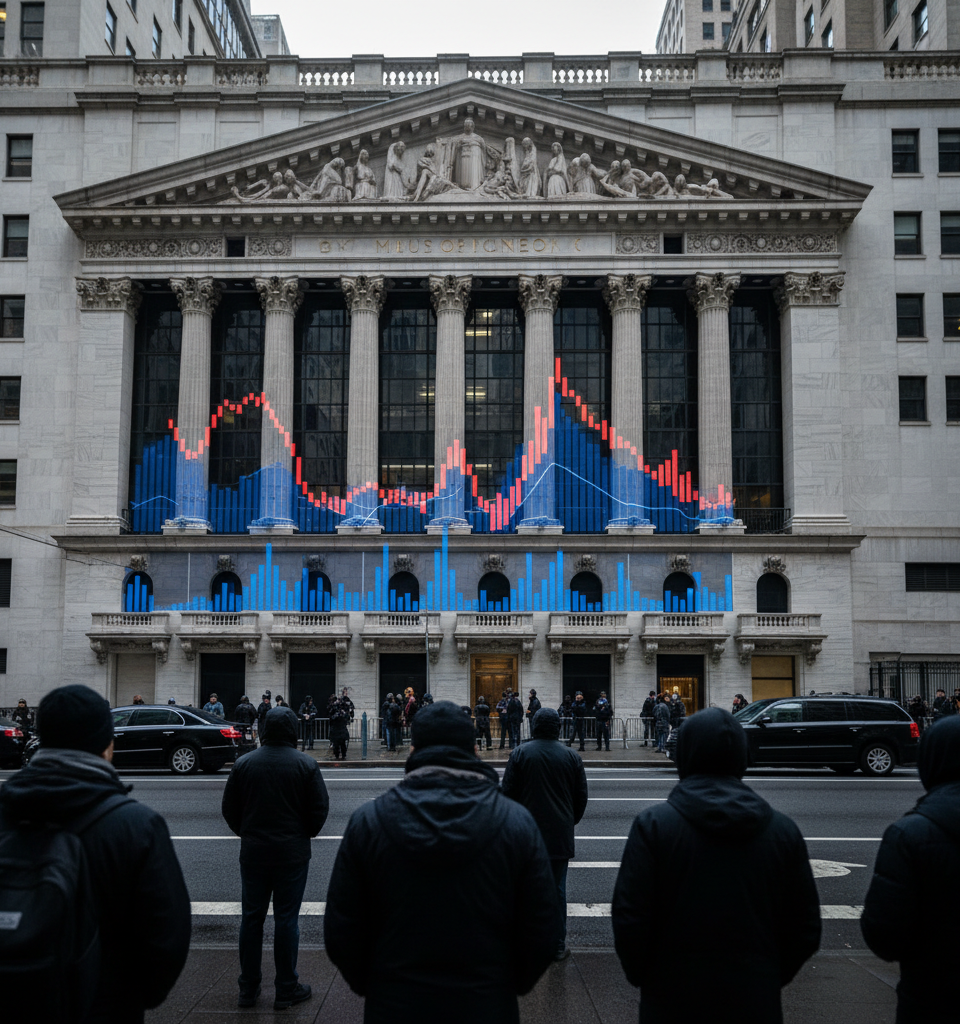
The oil market's immediate volatility signals how geopolitical maneuvers in energy-rich regions directly influence global supply and pricing stability, impacting everything from transport costs to industrial output. Businesses should closely track the precise scope of these sanctions and Iran's response, as both will determine the longer-term market equilibrium and potential supply shocks.
Market Reaction Ahead of Sanctions Rollout
Oil prices experienced a noticeable dip on Monday, as market participants braced for the impending implementation of what the United States has characterized as its most stringent sanctions campaign yet against Iran. The preemptive market reaction underscores the deep integration of geopolitical risk into global energy trading, with traders and investors adjusting positions in anticipation of significant policy shifts.
Context: Washington's Strategy to Pressure Iran
Washington's declared intention to unleash its "toughest" sanctions on Tehran marks a critical escalation in the ongoing diplomatic and economic standoff. This strategic move is widely seen as an attempt to compel Iran to renegotiate international agreements or alter its regional activities. The financial and energy sectors are expected to be primary targets, aiming to curtail Iran's ability to finance its operations and export its crude oil.
Historically, sanctions against major oil-producing nations have often led to supply disruptions or the perception of future disruptions, thereby influencing global crude benchmarks. In this instance, the market's current trajectory suggests an initial reaction of selling, possibly indicating a belief that the sanctions' immediate impact might be less severe than anticipated or that other factors are currently outweighing supply concerns. However, the overarching uncertainty around the specific details and enforcement mechanisms of these sanctions remains a dominant factor.
Investor Awaiting Specifics
Investors are now keenly awaiting the precise details of these forthcoming measures. The scope and enforceability of the sanctions will be critical in determining their actual impact on Iran's oil exports and, consequently, on global supply. Any ambiguities or perceived loopholes could temper the effectiveness of the sanctions, while a comprehensive and tightly enforced regime could lead to a more pronounced reduction in Iranian crude flowing into international markets.
Potential Industry and Market Implications
The ripple effects of these sanctions are poised to extend beyond crude oil pricing. Shipping, insurance, and financial services sectors dealing with Iranian entities are expected to face renewed scrutiny and potential restrictions. Major international energy companies with existing or planned investments in regions potentially impacted by Iran's activities will be closely evaluating their strategic positions. The sanctions could also prompt a broader reassessment of supply chain vulnerabilities and energy security strategies for nations heavily reliant on Middle Eastern oil.
Expert Perspective on Sanctions Effectiveness
Analysts generally concur that the effectiveness of these sanctions will hinge on their global enforcement and the degree of cooperation from other major economies. While U.S. sanctions can significantly restrict access to the dollar-denominated financial system, the willingness of other significant energy consumers to comply or find alternative mechanisms will be key. Initial market reactions often reflect a blend of speculation and real-time data, but the sustained impact typically materializes once the sanctions' machinery is fully operational.
What's Next: The Unveiling and Implementation
The immediate focus will be on the official announcement of the sanctions' specific components by Washington. Following this, the market will closely monitor the compliance of international actors and the initial data on Iran's crude oil export volumes. Any retaliatory measures or diplomatic responses from Tehran, along with reactions from other global powers, will also be critical factors shaping the energy landscape in the coming weeks and months. The degree to which other OPEC+ nations might adjust their production in response to potential Iranian supply disruptions will also be a key dynamic to observe.