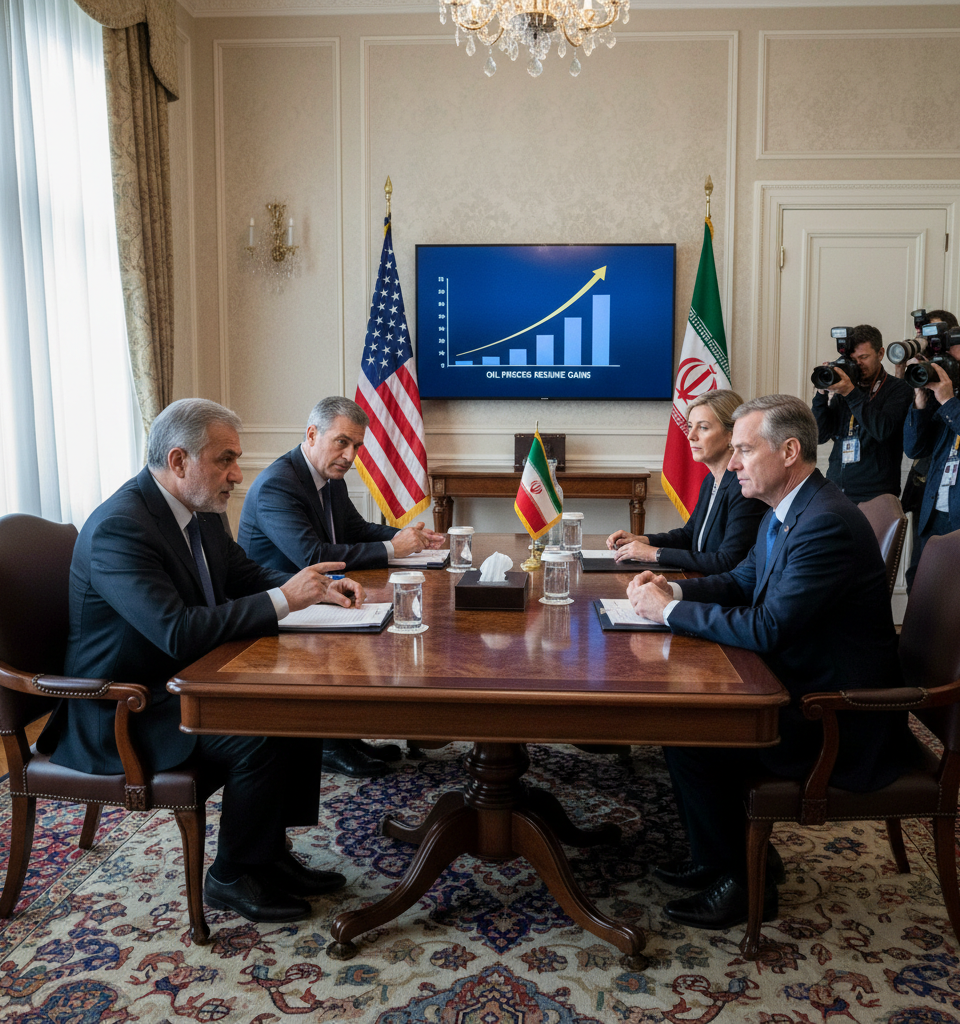
Global oil prices saw a notable resurgence on Monday, May 19, 2026, driven by heightened geopolitical tensions following allegations from Iran that the United States had violated critical terms of a previously agreed-upon two-week ceasefire. The market's immediate reaction underscores the fragility of the current geopolitical environment and the direct influence of Middle Eastern stability on global energy supplies.
The ceasefire, which had been in place for just over two weeks, was established with the intention of de-escalating regional tensions and potentially paving the way for broader diplomatic solutions. However, Iran's explicit accusation introduces a significant setback, casting doubt on the agreement's viability and signaling a potential return to more confrontational stances. The precise nature of the alleged breaches has not yet been fully detailed by Tehran, but the mere announcement was sufficient to trigger a bullish response in the crude oil futures market.
Geopolitical Instability and Market Sensitivity
This development highlights the extreme sensitivity of the energy sector to geopolitical shifts, particularly those involving major oil-producing nations. Iran, a key player in the global oil market, wields considerable influence through its production capacity and strategic location. Any perceived instability or breakdown in diplomatic efforts involving Iran invariably sends ripples through international commodity exchanges, as traders price in potential supply disruptions or changes in regional dynamics.
Today's price rally serves as a stark reminder of the underlying vulnerabilities within the global energy supply chain. Even partial or temporary disruptions, or the mere threat of such, can lead to rapid price adjustments. Investors and analysts are now closely monitoring official statements from both Washington and Tehran, seeking clarity on the specifics of the alleged violations and the potential for a renewed escalation of tensions in the Persian Gulf and surrounding regions. The lack of immediate, precise details regarding the nature of the alleged breaches creates a vacuum, which market participants tend to fill with speculative buying.
Broader Market Implications
Beyond crude oil, the ripple effects of this geopolitical development are expected to extend to other energy commodities and global financial markets. Natural gas prices, already subject to their own demand and supply fundamentals, could see an indirect impact as broader energy market sentiment turns bullish. Equity markets, particularly those with significant exposure to the energy sector, may experience short-term gains, while other sectors might face headwinds stemming from increased energy costs and general market uncertainty.
The accusation from Iran also arrives at a time when global economies are still navigating a complex recovery trajectory. Higher oil prices, if sustained, could contribute to inflationary pressures, potentially complicating monetary policy decisions for central banks worldwide. Businesses reliant on transportation and energy-intensive production processes would likely face increased operational costs, which could eventually translate into higher consumer prices or reduced profit margins.
The Path Forward: Diplomacy on Shaky Ground
What remains to be seen is the formal response from the United States to Iran's accusations and whether diplomatic channels can be re-engaged to salvage the ceasefire agreement. The breakdown of such a critical, albeit short-lived, truce carries significant implications for regional stability, potentially undermining ongoing efforts by international mediators to foster dialogue and resolve longstanding disputes. The immediate future will likely be characterized by intense diplomatic maneuvering, public statements, and close scrutiny from market participants for any signs of de-escalation or, conversely, further deterioration.
Analysts are currently evaluating various scenarios, ranging from a swift denial and recommitment to the ceasefire terms by the U.S., to a more protracted period of mutual accusations and renewed confrontational postures. Each scenario carries a distinct risk profile for oil supplies and global energy prices. The market's current trajectory suggests a pricing-in of increased risk, indicating that investors are not optimistic about a quick resolution. The coming days will be crucial in determining whether this oil price rebound is a momentary surge or the beginning of a more sustained upward trend driven by enduring geopolitical friction.