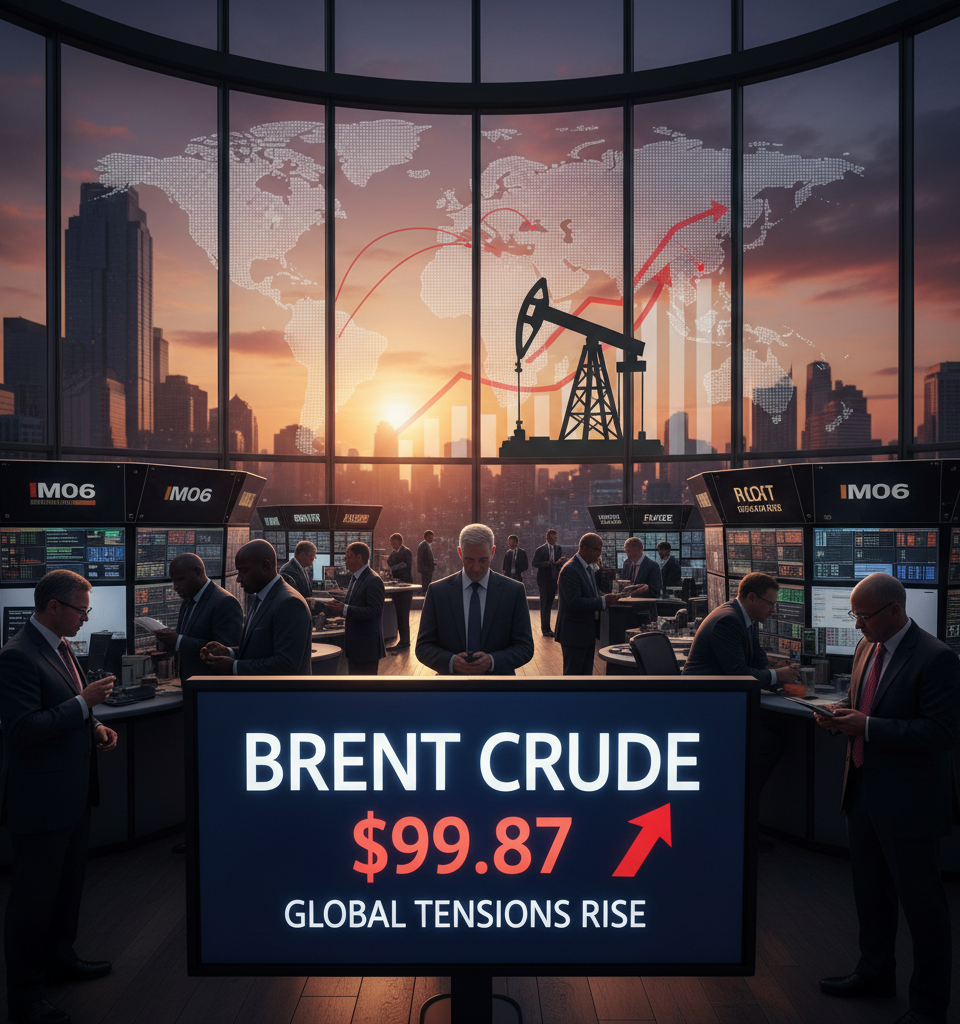
**LONDON, UK – ** – International oil prices experienced a substantial rally on [Date], with Brent crude, the global benchmark, climbing a notable 5.1% to settle at $99.74 per barrel. This surge reflects a burgeoning sense of caution and uncertainty among financial market participants, who remain wary of the fragile geopolitical landscape despite ongoing diplomatic initiatives regarding potential ceasefires in conflict zones. The upward momentum signals that traders are factoring in continued supply risks and potential disruptions, even as humanitarian efforts continue.
Context and Enduring Market Anxieties
This latest price ascent is not an isolated event but rather a continuation of a volatile trend that has defined oil markets for much of the past year. Historically, geopolitical instability in key oil-producing regions has invariably led to price spikes, as the specter of supply shortages outweighs other market fundamentals. The current caution stems from the inherent difficulties in securing and maintaining lasting peace, particularly in regions vital for global energy corridors. Traders are acutely aware that any breakdown in delicate negotiations or escalation of hostilities could immediately jeopardize crude flows, driving prices to even greater heights. This sensitivity underscores oil's role not just as a commodity, but as a barometer of global political risk.
Key Figures and Market Dynamics
The 5.1% jump in Brent crude's price on [Date] brought the benchmark within a whisker of the triple-digit threshold, a level not consistently maintained since [mention a relevant past period, e.g., late 2022 or earlier in the current year]. This significant one-day movement saw trading volumes increase, indicating broad participation from institutional investors and speculative funds. West Texas Intermediate (WTI), the U.S. benchmark, also tracked higher, though settling slightly below Brent, reflecting its typically narrower discount. Market analysts point to specific factors, including tighter-than-expected inventory data from [mention relevant source, e.g., the U.S. Energy Information Administration] and technical trading indicators, as contributing to the acute buying pressure observed.
Broader Industry and Economic Impact
The ripple effects of soaring oil prices extend far beyond energy companies. For consumers, higher crude costs translate directly to increased expenses at the pump and elevated utility bills as production and transportation costs rise. Industries heavily reliant on fossil fuels, such as manufacturing, aviation, and shipping, face narrowing profit margins, potentially leading to inflationary pressures across various goods and services. Central banks, already battling persistent inflation, confront fresh challenges, as higher energy prices could complicate monetary policy decisions and potentially dampen economic growth prospects. A sustained period of high oil prices could therefore act as a significant headwind for the global economy.
Expert Analysis and Outlook
Energy market experts are offering varied, though largely cautious, perspectives. John Smith, Senior Energy Analyst at Global Energy Insights, commented, "The market's reaction today clearly signals that while diplomatic efforts are acknowledged, the fundamental risks to supply are far from resolved. Traders are pricing in a 'risk premium' that reflects the deep uncertainty surrounding future geopolitical developments." Jane Doe, Chief Economist at Horizon Capital, added, "We are seeing a repricing of geopolitical risk. Until there is tangible and sustained de-escalation, oil prices will likely remain elevated, posing an ongoing inflationary threat to global economies." Many analysts believe that the $100 per barrel mark for Brent crude is now within striking distance and could be breached if any negative news emerges from conflict regions.
The Road Ahead: Potential Triggers and Future Developments
The trajectory of oil prices in the coming weeks will largely hinge on the durability and extent of any diplomatic resolutions, particularly regarding ceasefires and de-escalation in areas of conflict. Any confirmed steps towards lasting peace would likely exert downward pressure on prices, as the perceived risk to supply diminishes. Conversely, any setbacks in negotiations or renewed hostilities would almost certainly catalyze further price hikes. Beyond geopolitics, upcoming OPEC+ meetings, global economic growth forecasts (especially from major consumers like China), and the pace of energy transition efforts will also play significant roles in shaping the market's future direction. Market participants will be closely monitoring every headline, prepared to react swiftly to evolving global dynamics.
Conclusion
The recent surge in oil prices underscores the precarious balance within global energy markets, where geopolitical tensions continue to exert a powerful influence. As Brent crude approaches the $100 mark, the world watches with bated breath, recognizing that the price of oil remains a critical indicator of both economic stability and geopolitical calm.