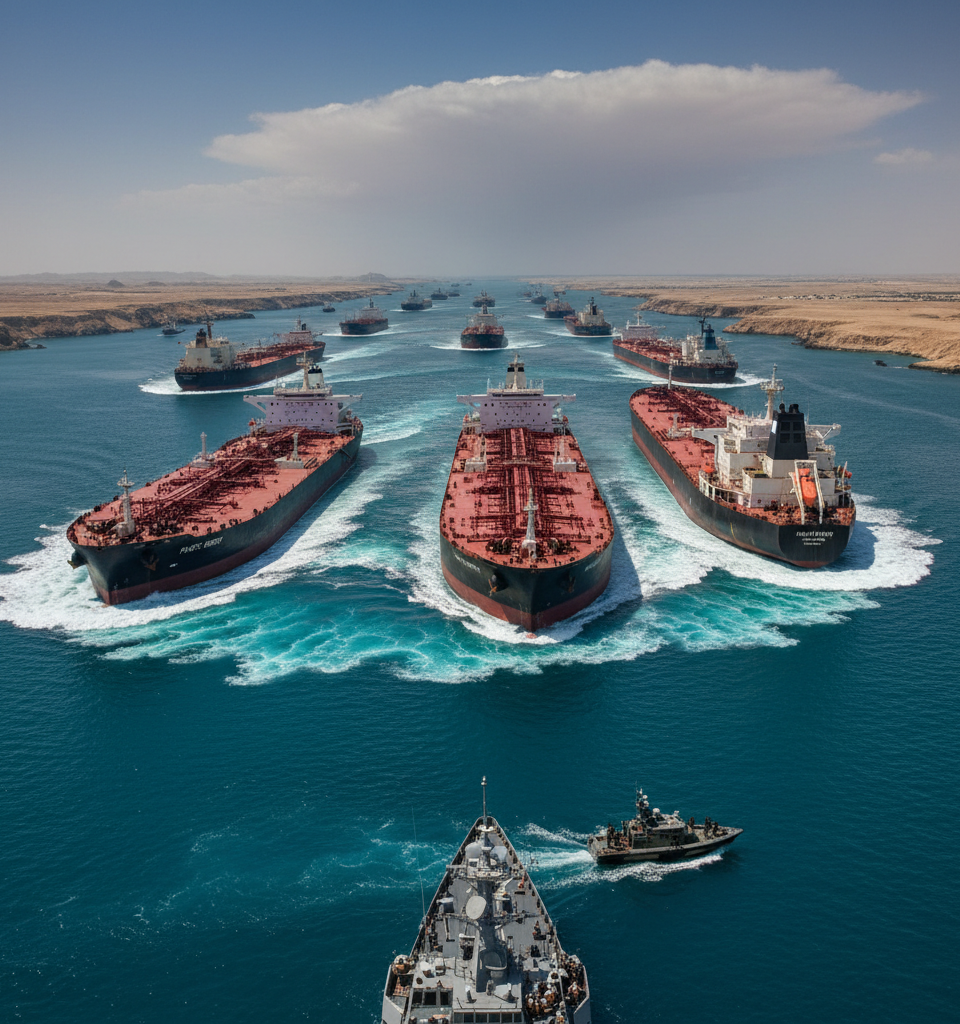
The strategic Strait of Hormuz, a critical chokepoint for global oil supplies, witnessed an unusual event on Sunday as two empty crude oil tankers reportedly abandoned their planned transit into the Persian Gulf. This abrupt change of course by vessels navigating through one of the world's most sensitive maritime passages immediately drew attention, particularly as it unfolded against the backdrop of faltering diplomatic efforts between Washington and Tehran. The incident underscores the fragility of regional stability and the profound impact of geopolitical tensions on vital energy shipping routes.
The U-turns by the two tankers took place at a juncture when optimism surrounding de-escalation between the U.S. and Iran appears to have dissipated. While specific details regarding the exact cause of the tankers' altered routes remain unconfirmed, industry observers are quick to link the development to the broader climate of mistrust and heightened alert following the stalled negotiations. The Strait of Hormuz is notorious for past skirmishes and is considered a flashpoint, meaning any unexpected maritime activity here often signals underlying political or security concerns.
Geopolitical Undercurrents and Maritime Security
The Strait, funneling approximately one-fifth of the world's total oil supply, has historically been a nexus of international friction. Its constricted waters make it particularly vulnerable to disruptions, with even minor incidents capable of sending ripples through global energy markets. The decision by two empty crude carriers to reverse course, rather than risk passage, suggests a perceived escalation in threat levels or an extreme abundance of caution by their operators. This behavior is particularly noteworthy for empty tankers, which typically face fewer logistical constraints than laden vessels.
Ship tracking data, though needing official confirmation regarding the specifics of these vessels, would be scrutinized by security analysts looking for patterns or anomalies. The precise names of the tankers involved and their flag states have not been made public, nor have their operating companies issued statements. The lack of immediate official commentary from any implicated parties or international maritime authorities adds to the speculative nature of their sudden change of plans.
Market Implications and Industry Vigilance
The direct connection between the tankers' actions and the breakdown of U.S.-Iran talks is a significant concern for the energy sector. Oil prices could see upward pressure as traders factor in increased geopolitical risk and potential supply disruptions from the Middle East. Insurance premiums for vessels traversing the Strait of Hormuz might also surge, reflecting the heightened risk assessment by underwriters. Shipping companies with assets in the region are likely to be reviewing their protocols and contingency plans, potentially opting for alternative, albeit longer and more expensive, routes if tensions persist or escalate further.
This incident, even without explicit confirmation of a direct threat, serves as a stark reminder of the intrinsic link between diplomatic relations and the free flow of commerce, especially in strategically critical zones. The energy market is hypersensitive to any indication of instability in the Arabian Gulf, and the reported U-turns are precisely the kind of event that triggers reflexive caution among investors and operators alike.
The Path Forward: Diplomatic Stalemate and Regional Stability
The immediate future hinges heavily on the trajectory of U.S.-Iran relations. Should the diplomatic impasse deepen, the frequency of such cautionary actions by maritime vessels might increase, leading to a de facto slowdown or rerouting of traffic through the Strait. This would inevitably elevate shipping costs and potentially depress throughput capacity, impacting global supply chains far beyond crude oil.
For regional stability, the reported incident could prompt a re-evaluation of current security postures by naval forces in the area. International maritime coalitions and individual nations with interests in safeguarding energy supplies will undoubtedly be monitoring the situation closely. While no direct confrontation has been reported, the pre-emptive actions of the tankers signal a palpable unease within the shipping community, providing a real-world consequence to the ongoing political tensions. The international community will be keenly watching for any developments that could either ease or further exacerbate the delicate balance in this pivotal region.