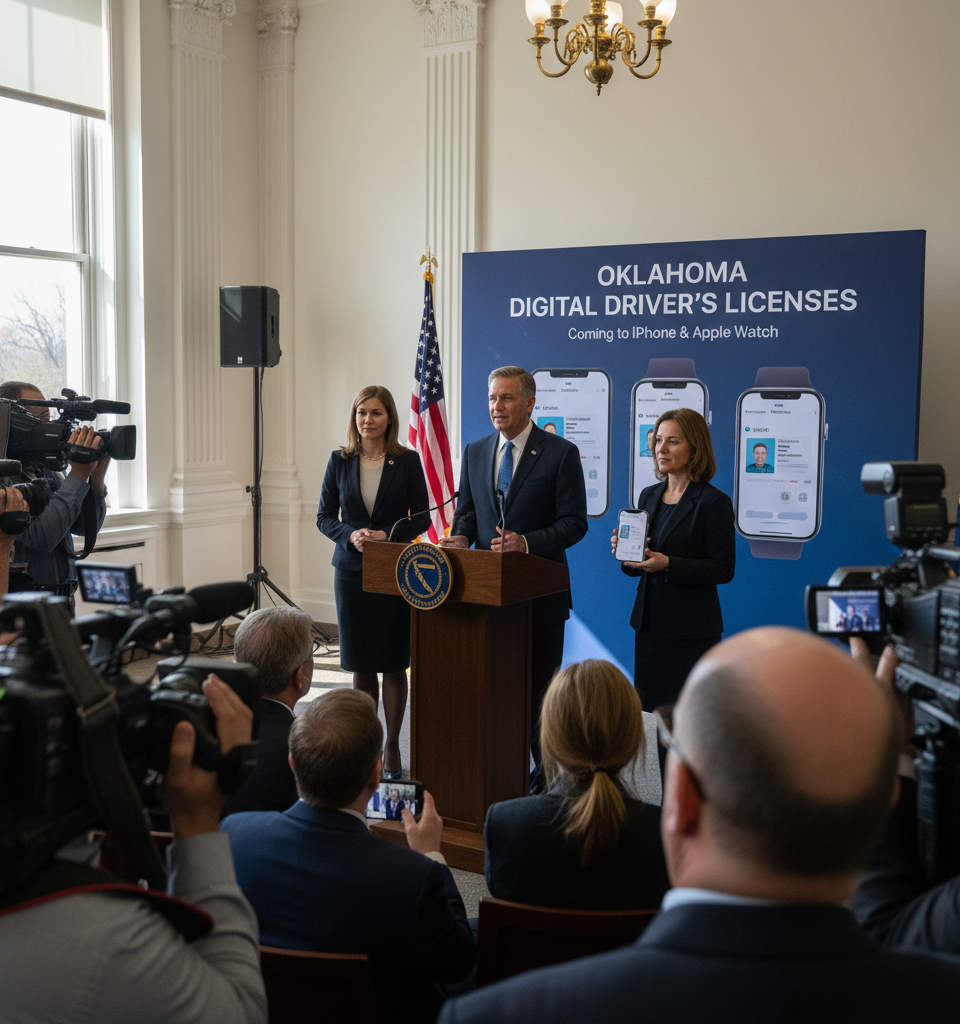
The expansion of digital identification into new markets presents significant implications for technology firms, identity verification providers, and government services globally. As more jurisdictions embrace mobile IDs, the industry faces crucial considerations around interoperability, data security standards, and the equitable adoption of these digital tools across diverse populations.
Oklahoma is set to become the latest U.S. state to enable its residents to store state-issued driver's licenses and identification cards digitally on their iPhones and Apple Watches. This move follows the recent passage of a pivotal House bill, which officially permits the use of mobile identification within the state's legal framework. The initiative positions Oklahoma among a growing cohort of states embracing digital credentials, aiming to enhance convenience and potentially streamline verification processes.
Legislative Basis and Technology Integration
The foundation for this digital transformation in Oklahoma was laid with the successful passage of a specific House bill. This legislation explicitly authorizes the use of mobile identification, providing the necessary legal backing for digital driver's licenses and state IDs. The legislative approval is a critical step, removing previous barriers that might have prevented such digital implementations. Reports indicate that Apple is already actively involved in the backend integration required to facilitate this service, suggesting a direct collaboration between the state and the technology giant to ensure a seamless rollout.
The Expanding Digital ID Landscape
Oklahoma's impending adoption of digital driver's licenses on Apple devices highlights a broader national trend towards digital credentials. Several states have already either launched or announced plans for similar programs, allowing residents to carry verified identification on their smartphones. This movement is largely driven by the potential for increased convenience, reduced physical card loss, and enhanced security features embedded within digital platforms. The integration with widely used consumer devices like iPhones and Apple Watches makes these digital IDs highly accessible to a significant portion of the population.
Industry and User Impact
The introduction of digital IDs in Oklahoma is expected to impact various sectors. For residents, it offers a modern, convenient alternative to traditional physical cards, potentially simplifying interactions with law enforcement, retailers, and other entities requiring ID verification. For businesses, particularly those involved in age-restricted sales or services, it could introduce new verification protocols and technological requirements. The shift also underscores Apple's continued push into identity services, expanding the utility and stickiness of its ecosystem for users. The successful implementation in Oklahoma could serve as a case study for other states considering similar initiatives, showcasing the practical applications and challenges of integrating digital identity solutions into daily life.
Security and Privacy Considerations
While the convenience factor is significant, the deployment of digital identification also brings important discussions around security and privacy. Digital IDs are typically designed with advanced encryption and security features intended to protect personal data and prevent fraud. Users often have control over what information is shared during a verification process, such as only confirming age without revealing other personal details. However, the broader implications for data storage, access, and potential misuse remain a key area of public and regulatory scrutiny as these systems become more widespread. Ensuring robust cybersecurity measures and clear privacy policies will be paramount for widespread public trust and adoption.
Anticipated Rollout and Future Prospects
As of the current timeline, Oklahoma residents will soon be able to utilize this new digital identification capability. The exact launch date is pending, contingent on the completion of Apple's backend integration and final state-level certifications. The successful rollout in Oklahoma could further accelerate the national trend towards digital identification, influencing other states and potentially setting new benchmarks for interoperability and standardization. The move positions Oklahoma at the forefront of digital governance, offering a glimpse into a future where physical wallets may become increasingly less essential for carrying official credentials.