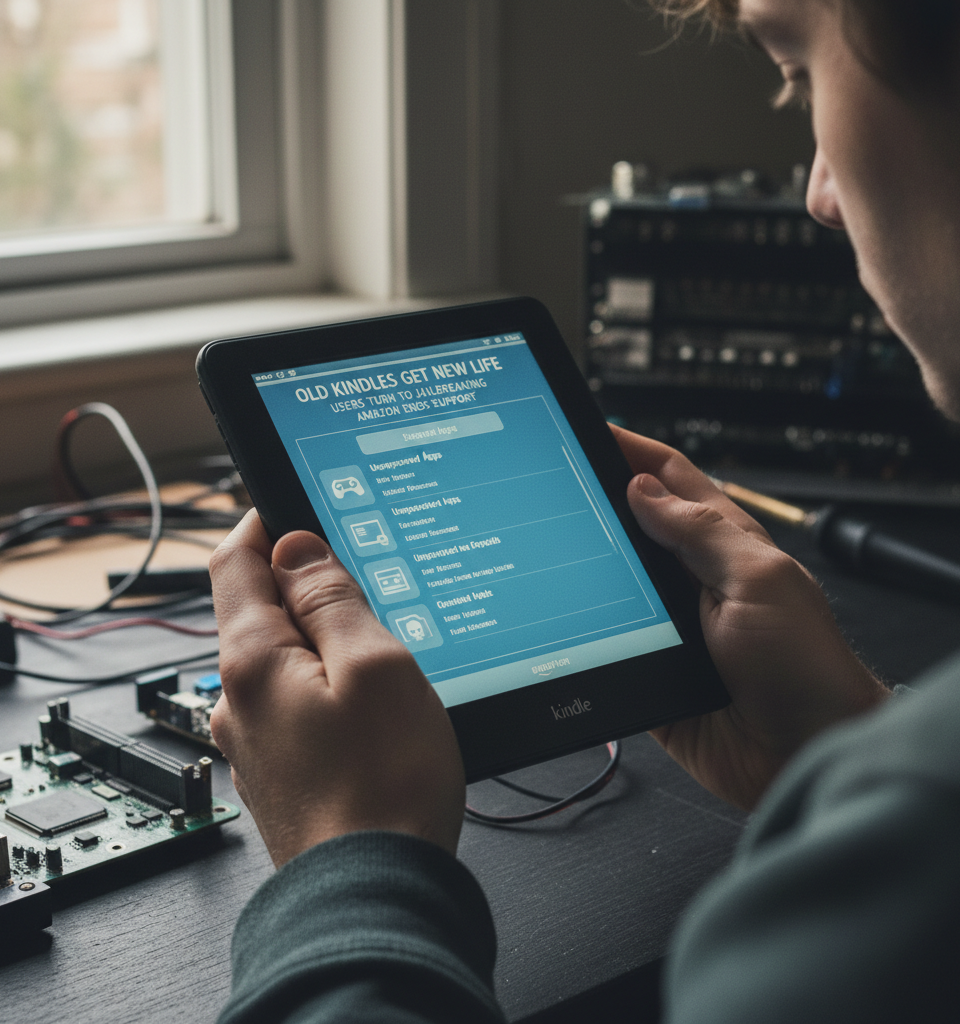
Amidst Amazon's strategic decision to phase out software and content support for its older Kindle e-readers, a significant segment of users is reportedly turning to jailbreaking their devices. This grassroots movement, gaining traction in online forums and tech communities, allows owners of these legacy Kindles to bypass manufacturer-imposed limitations, ensuring continued access to new content and extending the lifespan of hardware that would otherwise become obsolete. The phenomenon underscores a fundamental debate over digital ownership and the environmental implications of planned obsolescence.
The End-of-Life Conundrum for E-readers
Amazon, a pioneer in the e-reader market, has historically offered lengthy support for its Kindle devices. However, as technology evolves and newer models are introduced, some older generations inevitably reach their end-of-life (EOL) for software updates and even content delivery. For instance, models predating certain firmware versions are no longer able to browse the Kindle Store, effectively severing their direct connection to Amazon's vast digital library. This strategic sunsetting, while common practice across the tech industry, often leaves consumers with fully functional hardware that is denied access to new digital goods, prompting frustration and a search for alternative solutions.
The Mechanics and Risks of Jailbreaking
Jailbreaking a Kindle involves exploiting software vulnerabilities to gain root access to the device's operating system. This grants users the ability to install custom firmware, run third-party applications, and sideload e-books from various sources beyond Amazon's ecosystem. While it offers a pathway to continued utility, the practice is not without its perils. Risks include the potential for bricking the device, voiding any remaining warranty, and exposing the e-reader to security vulnerabilities if custom software isn't rigorously vetted. Tech communities, such as those on Reddit's r/kindlejailbreak, provide guides and support, emphasizing careful execution and understanding the potential downsides before proceeding.
A Broader Industry Challenge and Market Impact
The surge in Kindle jailbreaking is indicative of a larger industry trend where consumers are pushing back against the obsolescence of their devices. This consumer sentiment impacts not just e-readers but also smartphones, smart home devices, and other connected hardware. For Amazon, while minimal in terms of direct revenue loss from discontinued models, the issue touches on brand perception and customer loyalty. The long-term implication could be a greater scrutiny of product lifecycles and digital rights management (DRM) policies across the tech sector, potentially influencing future regulatory discussions around the 'right to repair' movement.
Expert Perspectives on Digital Ownership
Technology analysts view this trend as a natural consequence of device manufacturers' long-standing control over their digital ecosystems. Dr. Li Wei, a professor of digital media ethics at a prominent university, commented, "Consumers are increasingly aware that they don't truly 'own' digital content or even the hardware when its functionality is dictated by a single corporation. Jailbreaking is a form of digital activism, asserting ownership in an environment designed for subscription and controlled access." She estimates that tens of thousands of older Kindle devices, potentially even hundreds of thousands globally, could be viable candidates for such modifications, representing a significant installed base reluctant to upgrade.
The Future of Device Longevity and Consumer Rights
Looking ahead, the movement towards jailbreaking older Kindles could apply pressure on manufacturers to offer more transparent and extended support lifecycles, or to at least provide clear pathways for unsupported devices to retain core functionalities. It also underscores the importance of open-source alternatives and the continued demand for devices that empower user choice. As digital libraries grow and e-readers become an integral part of reading habits, the debate over who controls the digital bookshelf — the consumer or the corporation — is far from over. This trend suggests that consumers may increasingly favor devices that offer greater longevity and customization, rather than being forced into a cycle of perpetual upgrades.