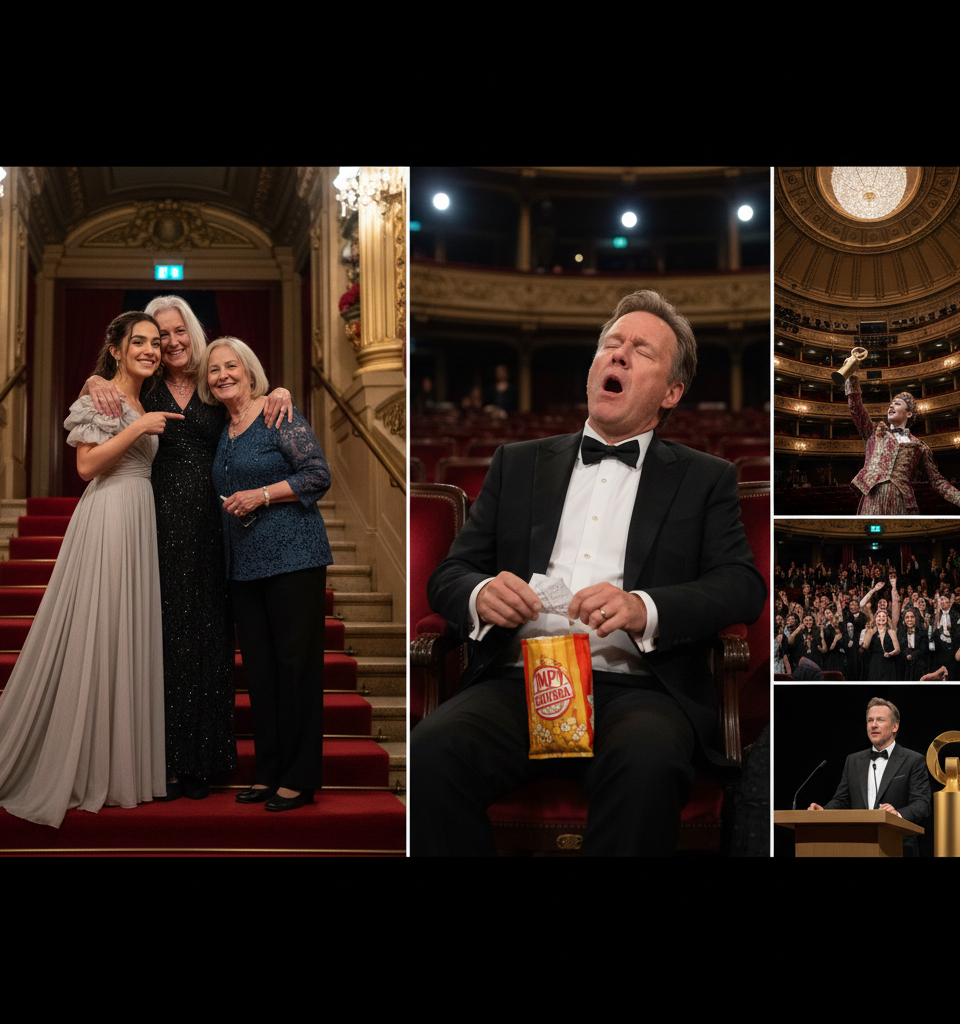
LONDON – The 50th Olivier Awards, held at the majestic Royal Albert Hall, generated significant buzz extending beyond the highly anticipated award announcements. The milestone event, celebrating five decades of excellence in British theatre, fostered numerous memorable and candid conversations among its illustrious attendees, providing a unique peek into the personal lives and professional insights of some of the industry's biggest stars.
This year's Olivier Awards held particular significance as it marked the golden jubilee of the prestigious event, solidifying its status as a cornerstone of the global theatrical calendar. The Royal Albert Hall, a venue synonymous with grand cultural events, once again provided an appropriately opulent backdrop for an evening celebrating the very best in plays, musicals, and performances. Beyond the formal presentations, the celebratory atmosphere encouraged an uncharacteristic openness from many A-list guests, enriching the experience for both those present and the broader public following the event.
Among the most talked-about interactions were those involving Rachel Zegler, the acclaimed actress, who reportedly used the occasion to pay tribute to individuals she considers her personal and professional heroes. These heartfelt acknowledgements, made casually away from the main ceremony, offered a glimpse into the influences that have shaped her burgeoning career. Such spontaneous expressions of gratitude stood in contrast to typical acceptance speeches, lending an authentic human touch to the high-profile event. These moments, while not part of the official broadcast, resonated deeply with attendees and underscore the power of personal connection within the industry.
Unscripted Revelations and Industry Insights
Adding to the evening's collection of unscripted moments was the veteran actor, Brian Cranston, whose candid discussion about his nap schedule garnered considerable attention. His revelation provided a rare, humorous, and relatable insight into the practicalities of maintaining a demanding career in performance while managing personal well-being. Such anecdotes demystified the often-glamorous world of celebrity, presenting a more grounded perspective on the daily routines of top-tier talent. These informal exchanges offer a valuable, unfiltered perspective that often gets lost in the structured environment of televised awards ceremonies.
The broader implications of these off-ceremony conversations highlight a growing trend in public engagement with major events. Audiences and media alike are increasingly interested in the authentic, behind-the-scenes narratives that offer depth beyond the main spectacle. For an event celebrating its 50th anniversary, these human-centric moments serve to reinforce the enduring community spirit within the theatre industry, reminding everyone that despite the accolades and red carpets, personal stories and mutual respect remain paramount.
The Enduring Appeal of Authenticity
The Oliviers' success in fostering such candid interactions reflects an evolving dynamic between public figures and their audiences. In an age of curated public images, moments of genuine spontaneity and personal sharing become even more impactful. The ability of the 50th Olivier Awards to generate these memorable conversations speaks to the event's stature as a gathering point for talent, where informal encounters can lead to some of the most enduring takeaways. These anecdotes contribute significantly to the legacy of the celebratory year, moving beyond mere recognition of artistic achievement to a celebration of personality, mentorship, and the shared human experience within a demanding industry.
Looking ahead, the success of these informal interactions at the 50th Oliviers may influence future awards ceremonies. Organizers might increasingly consider how to cultivate environments that encourage genuine exchanges, recognizing that these unscripted moments often resonate as strongly, if not more so, than the formal proceedings. The blend of high ceremony and candid conversation could become a hallmark of how major cultural events define their engagement, offering a richer, more multifaceted experience to all involved. The reverberations of these personal insights are likely to be discussed and analyzed for some time, providing a deeper understanding of the individuals who shape the theatrical landscape.