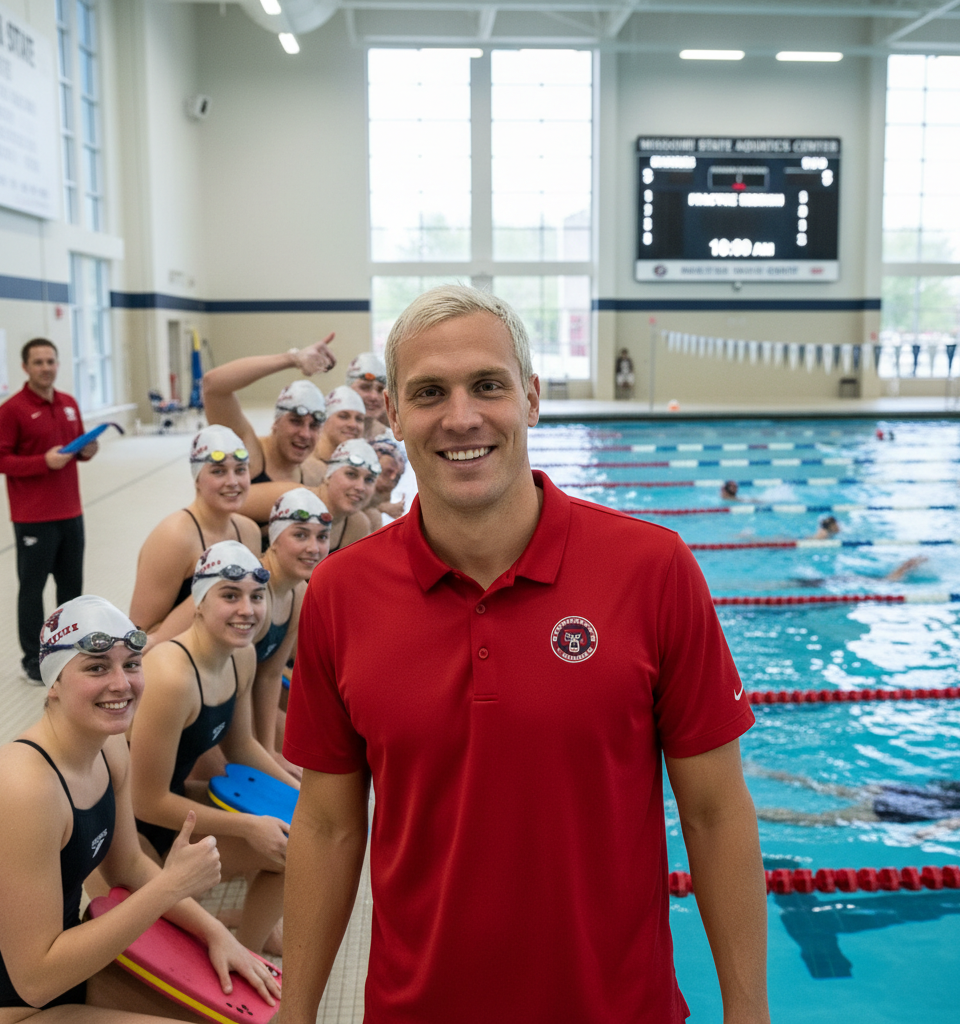
Springfield, MO – Ten-time Olympic medalist Ryan Lochte, one of the most recognizable figures in competitive swimming, has officially been named the assistant swim coach for Missouri State University. The announcement, confirmed by the university's athletics department, marks a significant career transition for the 39-year-old athlete known for his distinctive swimming style and numerous accolades. His expected annual salary, reportedly around $30,000 based on an hourly rate of $34, has become a focal point of discussion, highlighting the economic disparities often faced by athletes transitioning from professional circuits to collegiate coaching.
A New Chapter for a Sporting Icon
Lochte's move to Missouri State represents a pivotal moment in his career, signaling a shift from competitor to mentor. The university's swimming and diving program, under head coach Dave Collins, is gaining a coach with unparalleled firsthand experience at the highest echelons of the sport. His presence is anticipated to be a major draw for recruitment and a significant asset for current athletes, offering insights into Olympic-level training, strategy, and mental fortitude. This appointment follows a period where Lochte has been less active in competitive swimming, making this a clear re-entry into the sport's professional landscape, albeit in a different capacity.
Financial Realities and Public Perception
The reported salary of $30,000 for a personality of Lochte's caliber has generated considerable public interest and, in some circles, surprise. While collegiate assistant coaching salaries can vary widely depending on the institution, sport, and geographic location, this figure stands in stark contrast to the millions typically associated with elite Olympic athletes through endorsements and prize money. It underscores the often-overlooked financial challenges many athletes face after their competitive careers conclude, even those with significant public profiles. The hourly rate of approximately $34, extrapolated from the annual salary, further illustrates the modest compensation for a role that will likely demand extensive hours and dedication.
Impact on Missouri State's Program
For Missouri State University, Lochte's arrival is a game-changer. His legendary status brings instant credibility and visibility to the swimming and diving program, which competes in the Missouri Valley Conference. Such a high-profile hire is expected to boost recruiting efforts, attract media attention, and potentially elevate the program's competitive standing. Beyond the immediate spotlight, Lochte’s direct mentorship could profoundly impact the development of Missouri State’s student-athletes, offering them a unique opportunity to learn from one of the sport's most decorated Olympians.
The Broader Landscape of Post-Athletic Careers
Lochte's situation sheds light on the broader discussion surrounding post-athletic career planning. Many former professional athletes, even those who achieved significant fame, often find themselves navigating a new career landscape that may not align with the financial realities they experienced during their peak competitive years. This transition often involves accepting positions with more modest salaries as they build new professional identities in coaching, media, or other fields. His journey highlights the need for robust support systems and financial literacy education for athletes throughout their careers.
Expert Insights on Athlete Transitions
Sports management experts suggest that while the salary might seem low for a ten-time Olympic medalist, it's a common entry point into collegiate coaching for even highly accomplished athletes. "Many former Olympians seek coaching roles driven by a passion for the sport and a desire to give back, rather than solely for financial gain," says Dr. Emily Carter, a sports economics analyst. "This foundational experience can lead to higher-paying head coaching positions or other opportunities down the line. It's an investment in a new career path." The opportunity to learn the intricacies of collegiate coaching, program management, and athlete development under a seasoned head coach is often as valuable as the initial compensation.
Future Implications and Coaching Aspirations
Lochte's tenure at Missouri State will undoubtedly be watched closely. His success in this assistant role could pave the way for future head coaching opportunities at larger programs or even roles within national federations. The move signals not just a personal career pivot but potentially a growing trend of highly decorated athletes directly translating their competitive experience into coaching roles at the collegiate level. His adaptability and commitment to this new challenge will be key indicators of his long-term success in the coaching arena, promising an exciting new chapter for both Lochte and Missouri State swimming.