Global businesses reliant on cutting-edge AI tools for efficiency and competitive advantage will monitor this decision closely. A privately held OpenAI could face less immediate public scrutiny, allowing greater flexibility in its product and safety strategies.
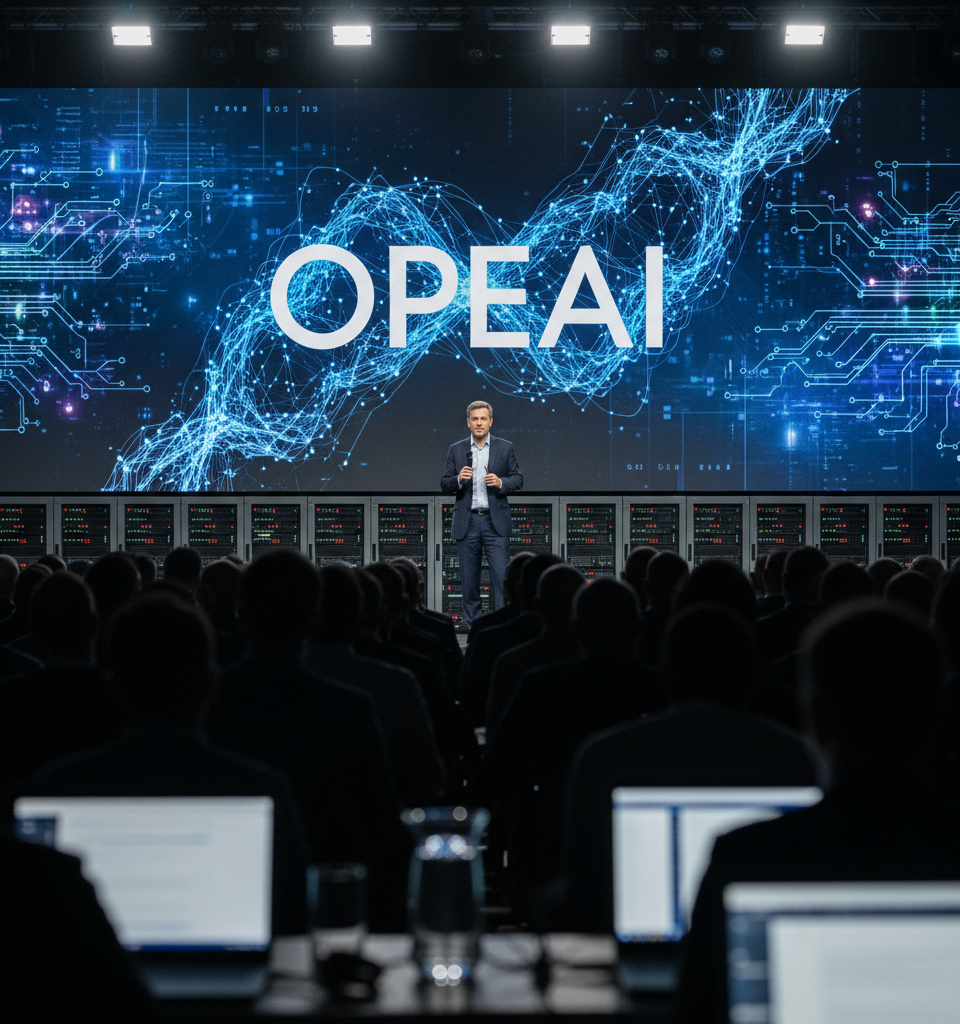
Sam Altman, CEO of artificial intelligence powerhouse OpenAI, has firmly stated that the company will not pursue an Initial Public Offering (IPO) in the current year. His remarks come amidst a heightened global debate surrounding the safety and ethical implications of advanced AI. Altman reportedly believes that now would be an "ill-advised" time for the creator of the widely recognized ChatGPT to enter the public market.
Context and Background
OpenAI has rapidly ascended to become a dominant force in the AI landscape, largely due to its generative AI models like GPT-3, GPT-4, and the conversational chatbot, ChatGPT. The company's innovations have captured significant attention from both the public and investors, leading to speculation about its potential for a public listing. However, this growth has been paralleled by increasing calls from researchers, policymakers, and industry leaders for more robust oversight and safety measures concerning AI development. Concerns range from potential misuse of AI technologies to the broader societal impact of highly autonomous systems.
Key Details
Altman's reasoning explicitly links the decision against an IPO to these mounting AI safety concerns. While the specific nature of these concerns was not detailed in the original context, the general sentiment within the AI community has often revolved around issues such as bias, misinformation, job displacement, and the need for explainability in AI decisions. By remaining private, OpenAI might maintain greater control over its internal processes, research directions, and the timeline for addressing these complex safety challenges, away from the quarterly pressures and shareholder demands typically associated with publicly traded companies.
Industry and Market Impact
The decision by a prominent AI leader like Altman to delay an IPO based on safety concerns could send a ripple effect through the burgeoning AI industry. It underscores a growing awareness that technological advancement must be balanced with responsibility. Other AI startups and established tech giants might take note, potentially re-evaluating their own timelines for public listings or prioritizing safety initiatives more overtly. For investors, it signals a potentially longer wait for direct public access to one of the industry's most valuable players, possibly redirecting capital towards other private AI ventures or public companies with clear AI integration strategies.
What's Next
While an IPO is off the table for this year, OpenAI will likely continue its focus on research, development, and the commercialization of its AI models. The company's private status will allow it to continue navigating the complex ethical and technical challenges of AI development with potentially fewer external pressures. Future considerations for a public offering would presumably depend on the evolving regulatory landscape, the maturity of AI safety frameworks, and the company's internal progress in addressing these critical issues. Observers will be watching how OpenAI balances its rapid innovation with its stated commitment to responsible AI development in the coming months and years.