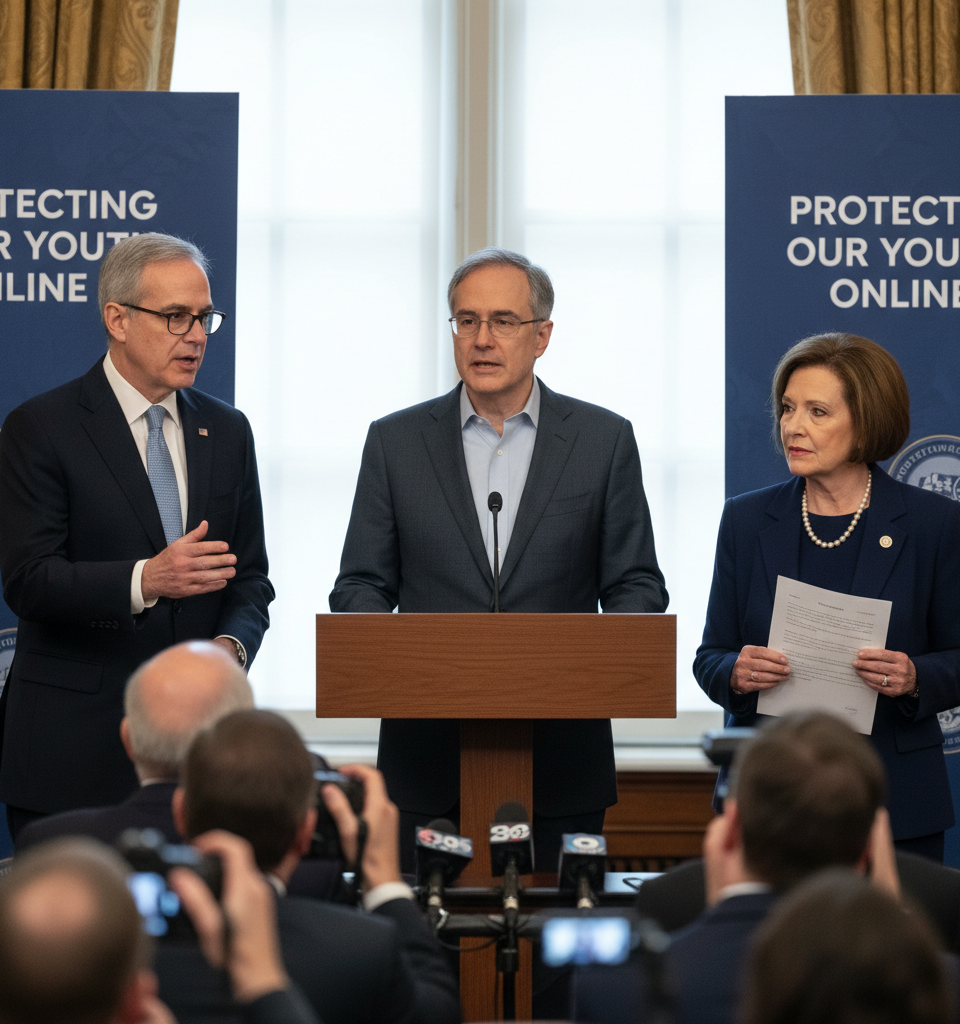
OpenAI, the prominent artificial intelligence research and deployment company behind ChatGPT, has officially thrown its support behind the Kids Online Safety Act (KOSA). This endorsement, made public this week, marks a significant development for the bipartisan legislation designed to safeguard children and teenagers from harmful online content and practices. The company's backing signals a potentially pivotal moment for the bill, which appears to be gaining renewed traction in Congress after facing previous hurdles.
Context and Background
The Kids Online Safety Act, first introduced in 2022, addresses long-standing concerns among parents, educators, and lawmakers regarding the mental health and safety impacts of social media and other online platforms on young users. Proponents argue that children are routinely exposed to content promoting self-harm, eating disorders, and sexual exploitation, and that current platform designs often prioritize engagement over well-being. The bill aims to mandate a 'duty of care' for online platforms, requiring them to implement reasonable measures to prevent and mitigate such harms. Critics, however, have raised concerns about potential censorship, free speech implications, and the practical challenges of age verification.
Key Details
OpenAI's endorsement specifically highlights its commitment to developing AI responsibly, particularly concerning its use by young people. The company stated its belief that KOSA provides a crucial framework for protecting minors in the digital age, aligning with its own safety principles. The bill, co-sponsored by Senators Richard Blumenthal (D-CT) and Marsha Blackburn (R-TN), would require platforms to implement parental controls, provide opt-out features for algorithmic recommendations, and conduct annual risk assessments. While specific details of OpenAI's engagement with the bill's crafting were not disclosed, their support adds considerable weight, particularly as the debate around AI's impact on society intensifies. The bill has garnered support from a diverse coalition, including children's advocates, educational groups, and a growing number of bipartisan legislators.
Industry and Market Impact
OpenAI's support could exert significant pressure on other major technology companies, particularly those involved in social media and generative AI, to take more proactive stances on youth protection. Historically, the tech industry has often opposed or sought to significantly amend legislation that could increase regulatory burdens or impact their business models. An AI leader like OpenAI aligning with a regulatory framework like KOSA could establish a new precedent, potentially shifting the industry's approach from reactive resistance to more proactive engagement in shaping responsible online environments. This could lead to a broader industry reevaluation of product design, content moderation policies, and data privacy practices regarding minors, potentially impacting billions of dollars in advertising revenue and product development costs.
Expert Perspective
Digital policy experts suggest that OpenAI's endorsement is a strategic move, positioning the company as a responsible actor in the rapidly evolving AI landscape. "This isn't just about KOSA; it's about signaling a commitment to ethical AI development," notes Dr. Evelyn Hayes, a tech policy analyst at the Digital Rights Institute. "As AI becomes more integrated into daily life, especially for younger generations, companies that proactively address safety concerns will likely gain a competitive advantage and greater public trust." Others point out that the move might also preempt future, potentially more stringent, regulations specifically targeting AI, giving OpenAI a seat at the table in shaping future policy rather than being solely subject to it.
What's Next
The endorsement from OpenAI comes as KOSA gains significant momentum, having recently passed out of the Senate Commerce Committee with bipartisan support. The bill now awaits a full vote in the Senate, where its prospects appear more favorable than in previous legislative sessions. If passed, it would then move to the House of Representatives. Future developments will likely involve intense lobbying from various tech stakeholders, continued public debate, and potential amendments to address lingering concerns about free speech and implementation feasibility. The evolving regulatory landscape for AI and online safety suggests that KOSA, or similar legislation, is increasingly likely to become law in some form, fundamentally reshaping how digital platforms interact with their youngest users.