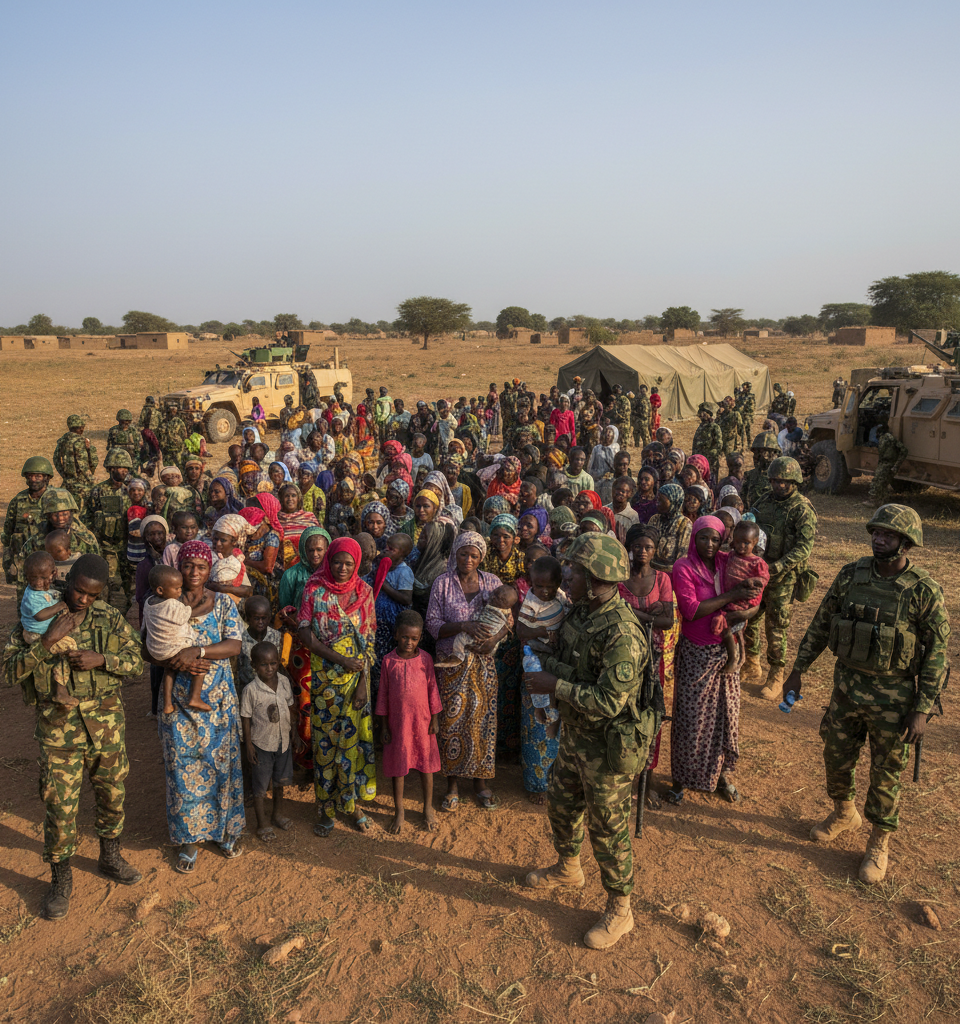
In a major development in the ongoing conflict with Boko Haram, over 360 individuals, including women and children, have been successfully liberated from the extremist group's captivity in northeastern Nigeria. The rescue operation, details of which are still emerging, marks a significant moment for the victims and reflects ongoing efforts to counter the insurgency that has plagued the region for years. Many of the freed captives recounted traumatic experiences, with one survivor poignantly stating, "We were herded like animals," highlighting the brutal conditions endured during their incarceration.
Context of the Insurgency
This mass rescue unfolds against the backdrop of a persistent and devastating insurgency by Boko Haram, a jihadist organization that emerged in northeastern Nigeria in the early 2000s. The group's primary objective has been to establish an Islamic caliphate, leading to widespread violence, kidnappings, and displacement across the Lake Chad Basin. Over the past decade, the conflict has claimed tens of thousands of lives and displaced millions, creating one of the world's most severe humanitarian crises. Kidnappings, particularly of women and children, have been a hallmark tactic of the group, used to terrorize communities, recruit fighters, and generate ransom.
Details of the Rescue
While specific operational details remain limited, the successful rescue of such a large group underscores the intensified efforts by Nigerian military forces and their regional allies. The liberation of these 360+ individuals is among the largest single rescue operations in recent memory. Survivors are currently undergoing medical evaluations and psychological support, a critical step in their recovery process. The immediate priority is to reunite them with their families and provide the necessary resources to aid their reintegration into society. The testimonies of the freed captives, though fragmented at this early stage, consistently paint a grim picture of their experiences while held by Boko Haram.
Broader Impact on the Region
The successful extraction of this many captives sends a clear message about the sustained pressure being applied to Boko Haram. Such operations can significantly disrupt the group's logistics and morale, potentially weakening its operational capabilities. For communities terrorized by abductions, this rescue offers a rare glimmer of hope and could contribute to rebuilding trust in security forces. However, the underlying challenges of poverty, governance issues, and regional instability that fuel the insurgency persist, indicating that this remains a long-term struggle.
The Road Ahead for Survivors
The immediate aftermath for the rescued individuals will involve comprehensive debriefing to gather intelligence on Boko Haram's movements and strongholds. More critically, the psychological and physical rehabilitation of these individuals will be a monumental task. Many will carry lasting trauma from their ordeal, requiring extensive trauma counseling and community support. The reintegration process itself can be complex, often fraught with stigma and socio-economic challenges, necessitating coordinated efforts from government agencies, non-governmental organizations, and local communities.
Implications for Counter-Insurgency Efforts
This rescue operation will likely lead to further analysis concerning the strategic approaches employed in counter-insurgency. It demonstrates the potential effectiveness of sustained military pressure combined with intelligence gathering. While celebrating this success, experts caution that Boko Haram remains a potent threat, continuously adapting its tactics. The fight against the group requires a multi-faceted approach, encompassing military action, humanitarian aid, economic development, and robust community engagement to prevent future radicalization and abductions. The international community continues to monitor the situation, offering support where possible to stabilize the region and protect its vulnerable populations.