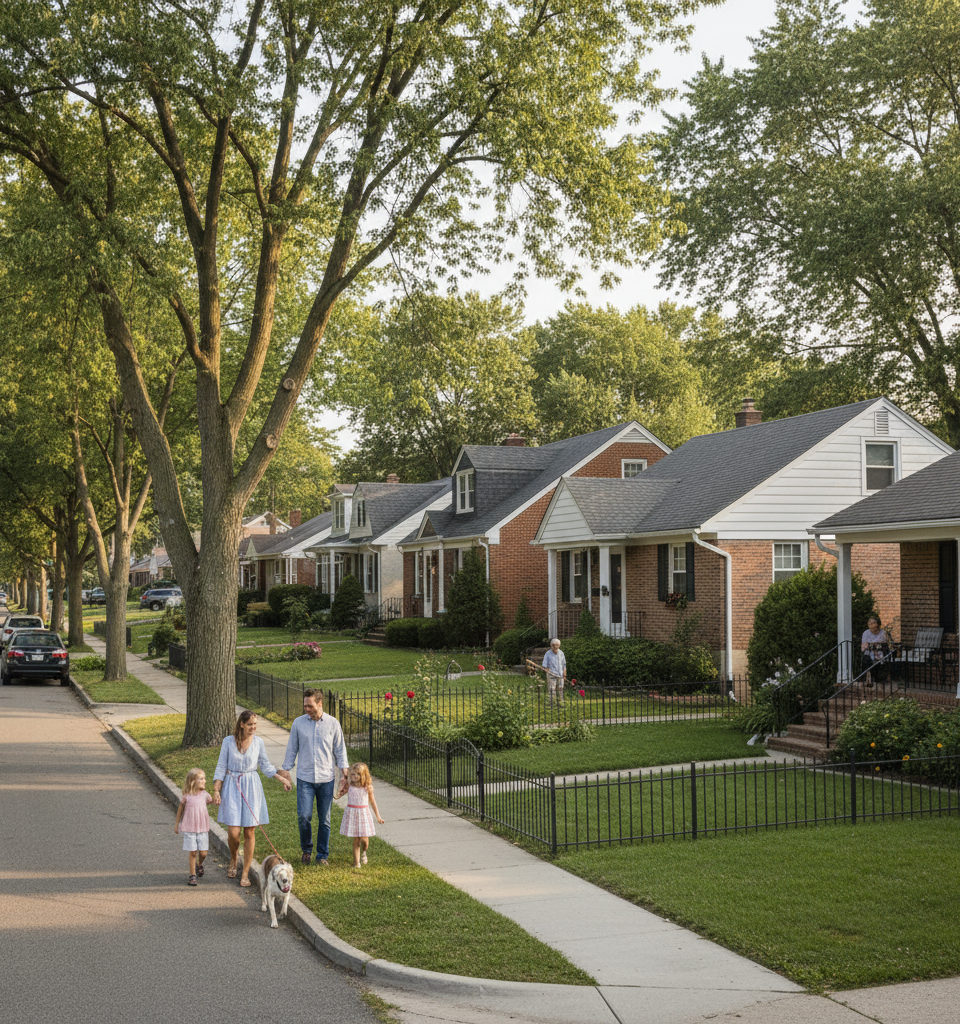
As real estate markets across the United States navigate a complex post-pandemic landscape, a significant trend is emerging: housing markets that were largely ignored during the frenzy of 2020-2022 are now quietly showcasing superior performance. This contrasts sharply with many pandemic 'boomtowns' that are still experiencing corrections and rebalancing after rapid, unsustainable growth.
Shifting Dynamics in the Housing Market
The period from mid-2020 to late 2022 witnessed unprecedented demand in certain Sun Belt cities and suburban enclaves, driven by remote work opportunities and a desire for more space. These areas experienced dramatic price appreciation, often fueled by bidding wars and an influx of out-of-state buyers. Conversely, many traditional markets, particularly in the Midwest and parts of the Northeast, saw more modest growth, if any. Today, as interest rates have risen and the immediate pandemic-induced migration patterns have normalized, these previously overlooked markets are demonstrating greater resilience and steadier fundamentals, including more stable inventory levels and less volatility in pricing.
Fundamentals Over Fleeting Trends
Unlike their boomtown counterparts, these quietly outperforming markets were less susceptible to speculative buying and benefited from more grounded economic foundations. Their growth is often attributed to factors like relative affordability, sustained local job growth, and a less extreme supply-demand imbalance. This allows for a more traditional market dynamic where home values appreciate steadily without the sharp peaks and troughs seen elsewhere. Data suggests these markets are experiencing healthier absorption rates and a more balanced relationship between listed properties and active buyers.
Impact on Broader Real Estate Landscape
This shift indicates a broader recalibration within the national housing market. Investors and homebuyers, once drawn to the allure of quick gains in boomtowns, may begin to re-evaluate their strategies, focusing more on long-term stability and inherent value. This trend could lead to a redistribution of housing demand, potentially alleviating some of the lingering affordability pressures in previously overheated areas. Furthermore, it might encourage development in regions that were previously deemed less attractive, fostering more balanced regional economic growth.
Looking Ahead: Sustainable Growth
Industry analysts suggest that the enduring performance of these overlooked markets points towards a more sustainable model of housing appreciation. While the headline-grabbing gains of the pandemic era may be over, these areas are poised for consistent, albeit less dramatic, growth. Their current trajectory suggests they are better positioned to withstand future economic fluctuations, offering a more predictable environment for homeowners and a lower risk profile for lenders. The focus is shifting from rapid speculation to markets predicated on fundamentals like job opportunities, community amenities, and relative housing accessibility.
In essence, the housing market is entering a new phase where stability and measured growth are beginning to supersede the volatility and speculative fervor that characterized the recent past. The regions that maintained a more even keel throughout the pandemic are now proving to be the dark horses of the current real estate environment.