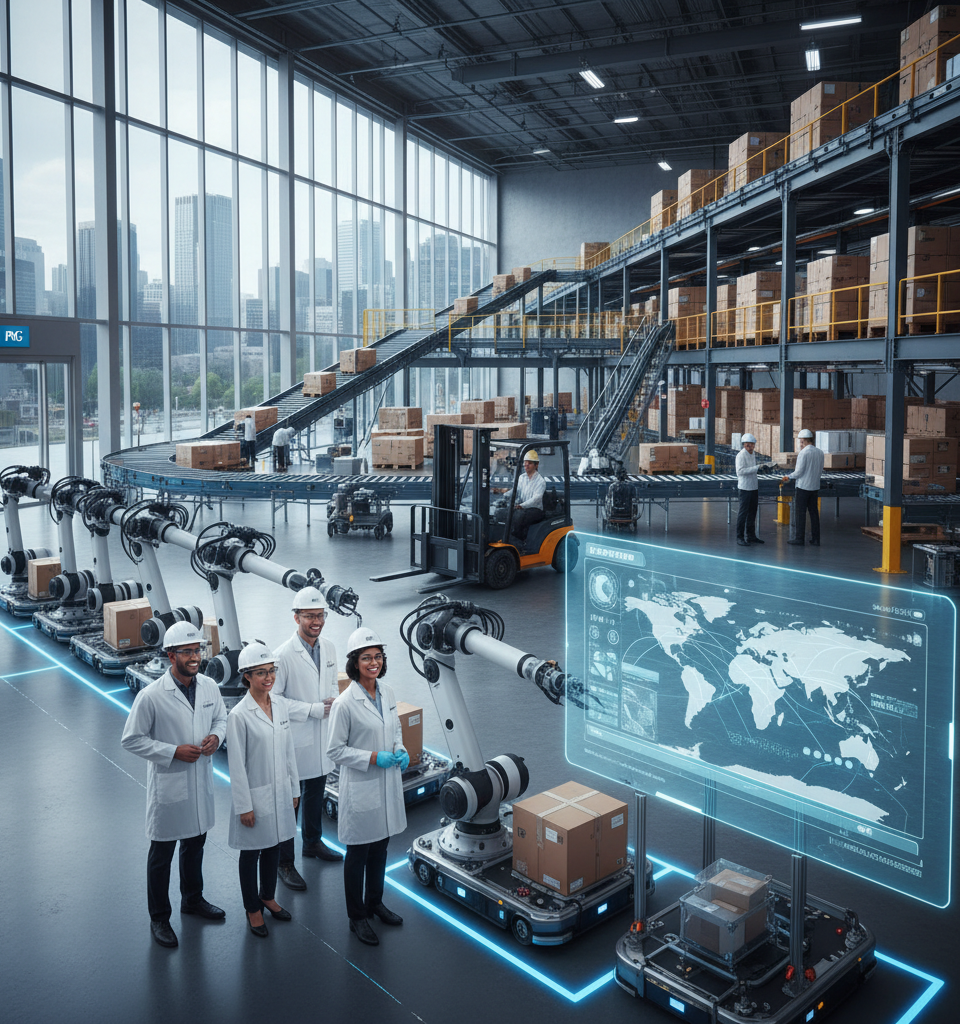
Procter & Gamble (P&G), the world's largest consumer packaged goods company, is embarking on a substantial global rollout of its Supply Chain 3.0 and other integrated digital platforms designed to enhance operational efficiency. This ambitious undertaking, confirmed by company executives, seeks to integrate advanced automation technologies throughout its manufacturing facilities and vast warehousing infrastructure worldwide. The move is anticipated to significantly improve productivity, reduce operational costs, and streamline the flow of products from production to market, reinforcing P&G's competitive edge in a dynamic global economy.
A Strategic Imperative for a Shifting Landscape
This aggressive push into automation comes at a critical juncture for the CPG industry, which has faced unprecedented disruptions from global pandemics, geopolitical tensions, and fluctuating consumer demands. P&G's previous iterations of supply chain management laid foundational groundwork, but Supply Chain 3.0 represents a generational leap, leveraging artificial intelligence, machine learning, and advanced robotics. The company's prior investments in pilot programs and regional implementations have evidently yielded promising results, providing the impetus for this broader, global deployment. This strategy reflects a broader industry trend where digital transformation is no longer an option but a necessity for maintaining market leadership and resilience.
Key Components and Expected Outcomes
At the core of this rollout are sophisticated automation solutions aimed at optimizing various aspects of P&G's operations. In manufacturing plants, this includes robotic systems for assembly, quality control, and packaging, alongside predictive maintenance algorithms that anticipate equipment failures, thereby minimizing downtime. Warehouses will see an increase in autonomous guided vehicles (AGVs) and robotic picking systems, significantly improving inventory management, order fulfillment speed, and overall throughput.
Company leadership has indicated that early trials demonstrated potential productivity gains of 15-20% in specific automated processes, with a projected reduction in human error rates by up to 30%. The integration of these platforms is also expected to provide real-time data analytics, offering unprecedented visibility into the entire supply chain and enabling more agile decision-making.
Impact on the Broader CPG Sector
P&G's large-scale commitment to Supply Chain 3.0 is poised to send ripples across the entire consumer packaged goods sector. As a bellwether company, its operational advancements often set new standards and accelerate adoption curves for competitors. Other major CPG players are likely to intensify their own automation strategies to keep pace, driving further innovation and investment in supply chain technologies. This could lead to a more efficient, resilient, and responsive global supply chain for consumer goods, ultimately benefiting consumers through improved product availability and potentially more stable pricing. However, it also raises questions about labor displacement and the need for workforce retraining within the industry.
Expert Analysis on P&G's Digital Leap
Industry analysts have largely hailed P&G's global automation thrust as a shrewd and necessary move. Dr. Evelyn Reed, a supply chain expert at the Global Institute of Logistics, commented, "P&G is demonstrating a clear understanding that future profitability lies in hyper-efficiency and adaptability. Their investment in Supply Chain 3.0 is not just about cost-cutting; it's about building an intelligent, self-optimizing network that can withstand future shocks and capitalize on emerging market opportunities." She further noted the potential for P&G to leverage its vast data sets to predict consumer demand with greater accuracy, optimizing production schedules to minimize waste and maximize freshness for perishable goods.
Future Implications and Workforce Evolution
The immediate future will see P&G actively working on the phased implementation of these technologies across its global footprint, a process expected to span several years. This will involve significant investment in infrastructure upgrades, software integration, and the training of its workforce to operate and manage these advanced systems. While automation is often associated with job displacement, P&G has emphasized a strategy of upskilling and reskilling employees for higher-value roles in data analysis, system maintenance, and strategic planning. The company projects that this evolution will create a more technically proficient and strategically aligned workforce. Longer-term, P&G could potentially license some of its internally developed technologies, further diversifying its revenue streams and cements its position as a technological leader in the CPG space.
This comprehensive digital transformation is not merely an upgrade; it represents a fundamental shift in how P&G manufactures, distributes, and manages its product portfolio. The success of this ambitious rollout will undoubtedly serve as a case study for global corporations seeking to navigate the complexities of the modern supply chain and secure a competitive advantage in an ever-evolving market.