The reliability of transportation infrastructure directly impacts global supply chains, making this recall a significant concern for businesses that depend on consistent freight movement. Any disruption to a fleet, particularly involving critical safety components in new vehicles, can ripple through logistics networks, causing delivery delays and increasing operational costs for international trade.
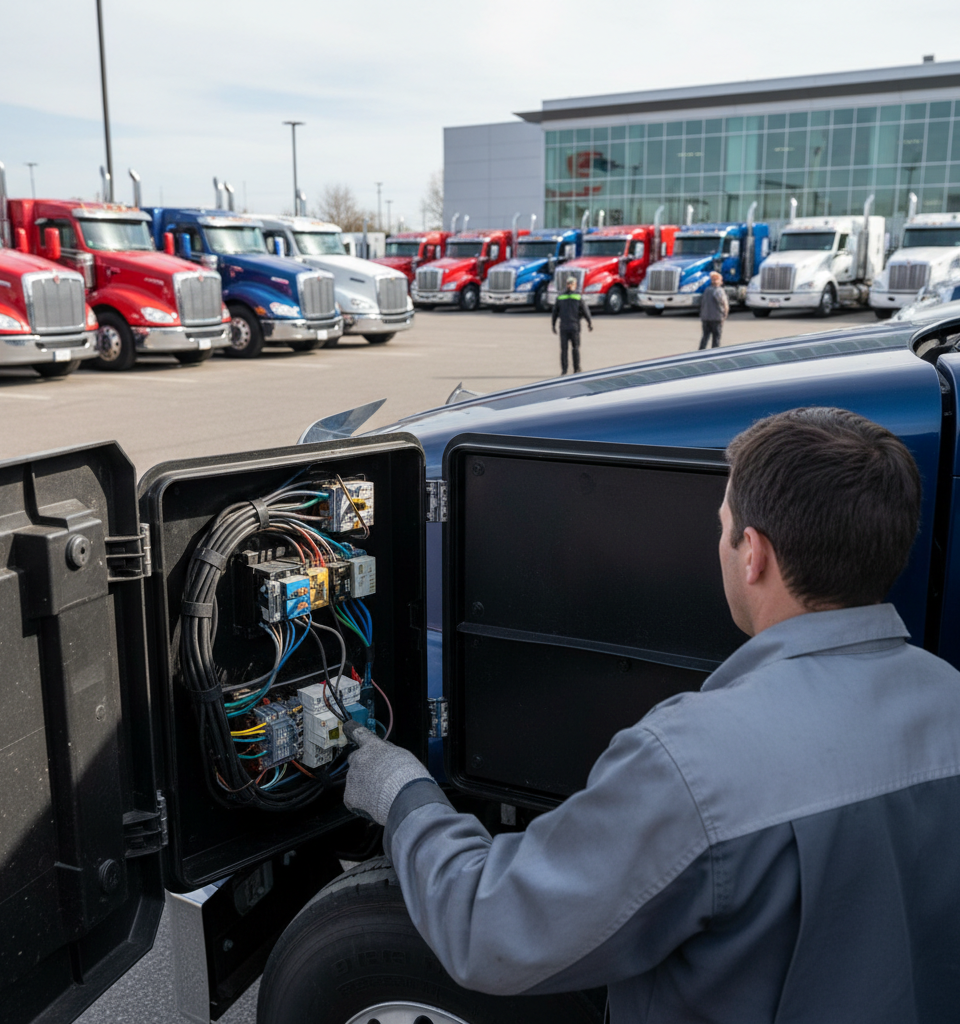
PACCAR, a leading manufacturer of heavy-duty trucks, has announced a recall affecting 5,919 new Kenworth and Peterbilt trucks due to a potentially dangerous electrical defect. The recall, initiated today, August 21, 2026, addresses a serious issue where oil ingress into the power distribution box can precipitate the sudden and unexpected failure of critical vehicle systems. These systems include essential functions such as lights, windshield wipers, braking mechanisms, and even the engine itself, raising significant safety and operational concerns for fleet operators and drivers.
Context and Background
This recall highlights the intricate challenges of ensuring quality control within complex manufacturing processes, even for established industry leaders. The affected trucks are part of PACCAR's new vehicle lineup, suggesting a flaw originating early in the production or component sourcing stages. For the trucking industry, reliability is paramount, as vehicles often operate continuously for long periods, covering vast distances. Unexpected failures, especially those impacting fundamental safety and operational systems, can lead to severe accidents, significant downtime, and substantial financial losses for fleet owners.
Key Details of the Recall
The defect centers on the power distribution box, a vital component that manages the flow of electricity to various vehicle systems. The ingress of oil into this box creates a short-circuit risk or other electrical malfunctions, leading to the failure of multiple critical components. The affected vehicle count of 5,919 trucks specifically targets new Kenworth and Peterbilt models. While PACCAR has not yet released specific model years or VIN ranges, the broad impact on fundamental systems underscores the severity of the issue, requiring immediate corrective action to prevent potential road hazards.
Industry and Market Impact
This recall is likely to have a multifaceted impact across the commercial trucking sector. For PACCAR, it represents a significant logistical and financial undertaking, involving the identification of affected vehicles, communication with owners, and the execution of necessary repairs. For fleet operators who have recently invested in these new trucks, the recall means potential vehicle downtime, which can disrupt delivery schedules, impact customer satisfaction, and incur additional costs related to temporary replacements or missed contracts. The broader market may also see a temporary dent in confidence regarding PACCAR's quality assurance, though the swift recall action demonstrates a commitment to safety standards.
What's Next
PACCAR is expected to swiftly communicate with affected truck owners and dealerships, outlining the process for inspection and repair. Owners of new Kenworth and Peterbilt trucks are advised to monitor official communications from PACCAR and their respective dealerships for detailed instructions on how to proceed. The company will need to identify the root cause of the oil ingress to prevent recurrence in future production runs and ensure the long-term reliability of its vehicles. Regulatory bodies, such as the National Highway Traffic Safety Administration (NHTSA) in the United States, will likely oversee the recall process to ensure all affected vehicles are remedied effectively and promptly, minimizing risks on public roads.