A New Frontier in Fertility Treatment
The ability to create functional human sperm ex vivo has long been a scientific aspiration, largely driven by the profound impact male infertility has globally. Affecting approximately 7% of all men, with azoospermia (the complete absence of sperm) impacting about 1% of the male population, the current treatment options are often limited and invasive. This breakthrough, if substantiated, offers a potential lifeline to countless individuals and couples previously facing insurmountable barriers to biological parenthood. It moves beyond the current reliance on donor sperm or retrieved testicular tissue, suggesting a future where a man's own genetic material, even in cases of severe infertility, could be used to produce offspring.
The Scientific Underpinnings: Unlocking the Gamete Code Paterna
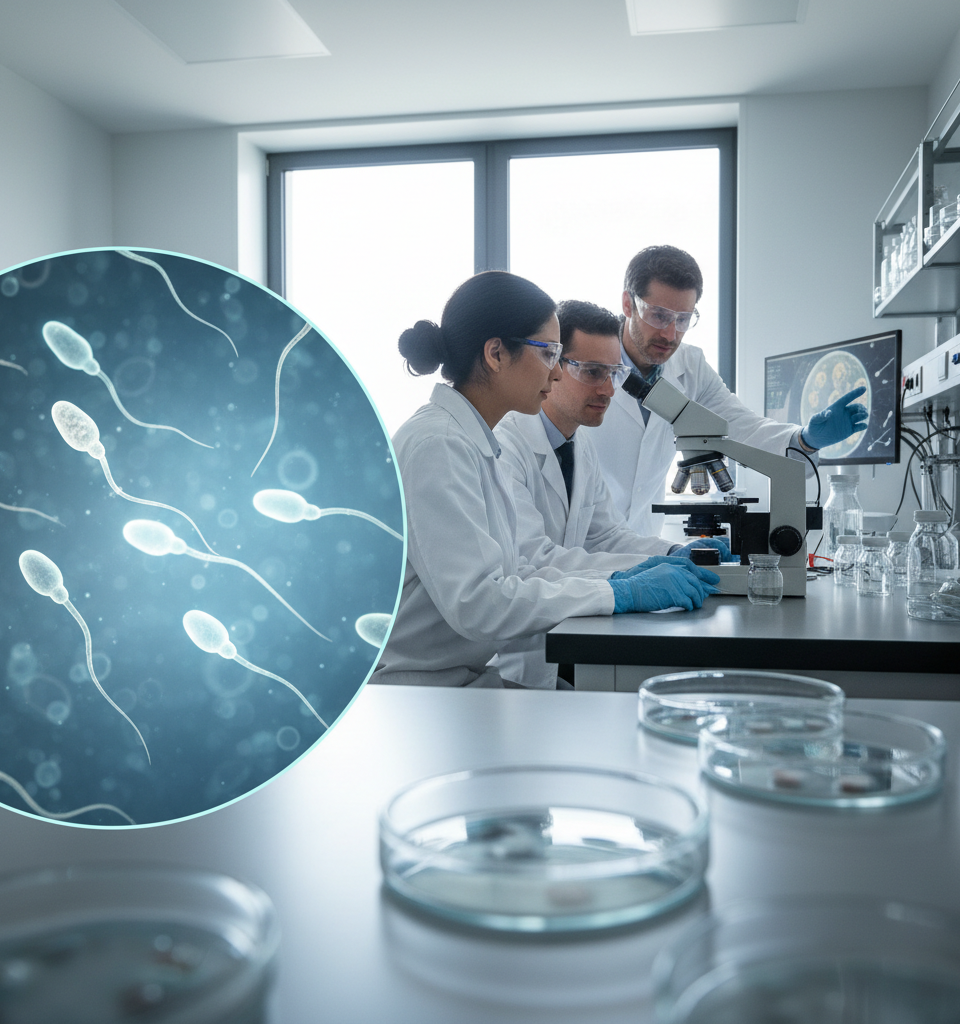
Biosciences has been operating with a relatively low public profile, making their claims particularly impactful. While specific details of their methodology are yet to be fully disclosed, the core of their alleged achievement lies in understanding the complex signaling pathways and genetic programming that govern spermatogenesis – the process of sperm development. They report having successfully replicated the cellular environment and sequence of events necessary to guide pluripotent stem cells through the various stages of meiosis and maturation into functional spermatozoa. This process, notoriously difficult to replicate outside the body, involves intricate interactions between different cell types and precise hormonal and genetic cues. The subsequent step, the creation of embryos using this lab-grown sperm, suggests functional motility and the ability to fertilize an egg, a critical benchmark for validating their claims.
Broadening the Reproductive Technology Landscape
This development has significant implications for the broader fertility industry, a global market projected to reach over $50 billion by 2030, driven by declining fertility rates and increasing demand for assisted reproductive technologies (ART). Existing ARTs, such as IVF and ICSI, primarily address female infertility factors or issues with sperm delivery. Paterna's technology presents a paradigm shift, potentially opening up an entirely new segment of treatment options for male factor infertility. It could reduce the demand for sperm donors, offer genetic continuity for men with germline disorders, and perhaps even pave the way for reproductive solutions for transgender men or individuals who have undergone treatments affecting fertility.
Expert Scrutiny and Ethical Considerations News of such a monumental claim invariably draws intense scrutiny from the scientific and ethical communities.
Fertility experts and bioethicists are cautiously optimistic, emphasizing the paramount importance of independent peer review, rigorous validation, and comprehensive safety studies. Dr. Elara Vance, a leading reproductive endocrinologist at a major U.S. university, commented, "If proven, this is an incredible leap. However, we must see the data, understand the fidelity of the genome, and ensure the long-term health and developmental outcomes of any offspring derived from such methods. The devil, as always, is in the details." Ethical concerns regarding the definition of parenthood, safety assurance for offspring, and potential societal implications will undoubtedly fuel considerable debate.
The Path Forward: Clinical Trials and Regulatory Hurdles
The immediate next steps for Paterna Biosciences will likely involve publishing their findings in a high-impact peer-reviewed journal, followed by further in-vitro and potentially pre-clinical animal studies. Should these prove successful, the path toward human clinical trials will be fraught with significant regulatory hurdles. Agencies like the FDA in the United States, and similar bodies globally, will demand extensive data on safety, efficacy, and the genetic integrity of the lab-grown sperm. The time from this announcement to widespread clinical availability, if ever, is likely measured in years, potentially decades, given the novelty and ethical sensitivities surrounding germline manipulation and human reproduction.
The Future of Reproduction: Hope and Caution Paterna
Biosciences' announcement represents a bold claim that could fundamentally alter the landscape of human reproduction. While the scientific community awaits detailed evidence and validation, the mere prospect of generating functional human sperm in a lab rekindles hope for millions grappling with infertility. It also underscores the rapid pace of biotechnological innovation and the ever-growing ethical responsibilities that accompany such profound scientific capabilities. The journey from lab to clinic will be long and challenging, but the implications of this potential breakthrough are undeniable, promising a future where biological parenthood may be within reach for many who once believed it impossible.