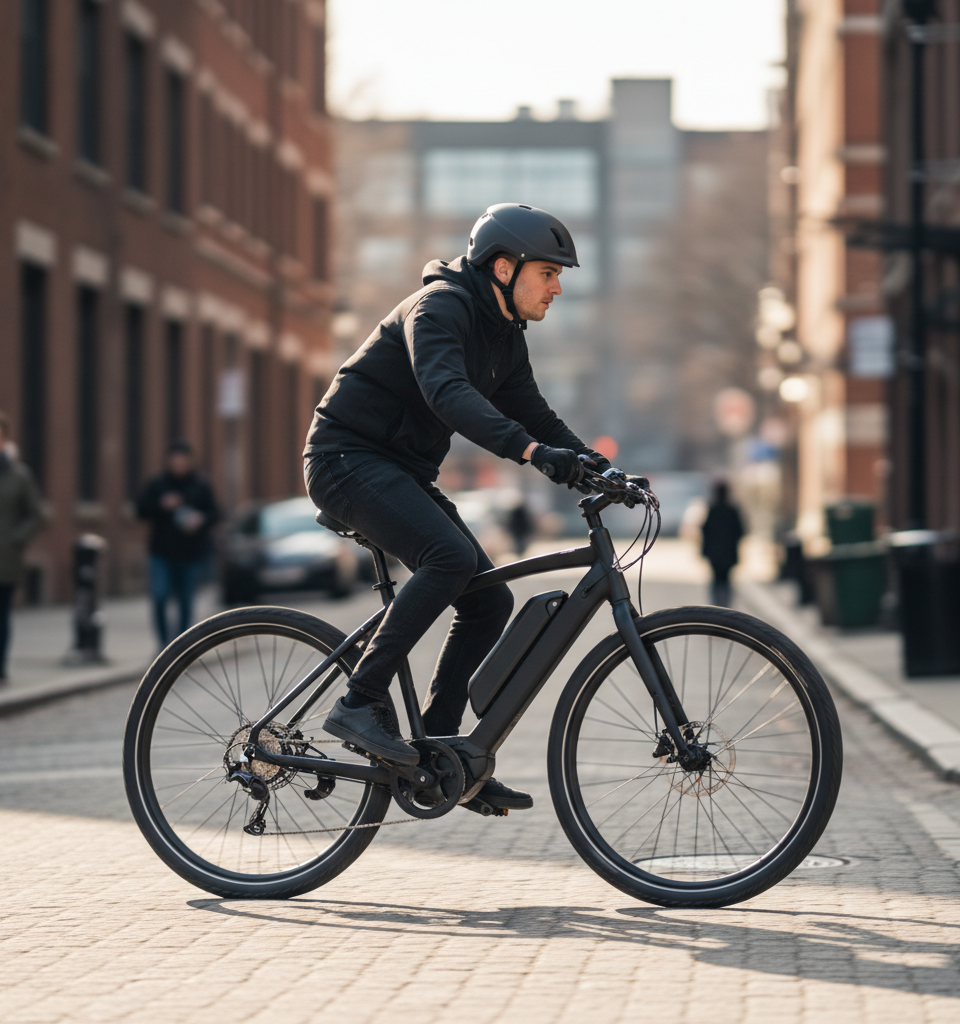
The Pedal Electric H/T ebike is making waves for its impressive combination of speed, power, and aesthetic appeal, according to a recent evaluation. The model stands out in a crowded market due to its robust performance capabilities, particularly when engaged via the throttle, which offers a seamless and forceful acceleration experience. However, an aspect that warrants consideration is the sometimes abrupt nature of its pedal-assist system, marking a key distinction in its overall ride quality.
Context and Design Philosophy
Designed to cater to riders seeking both utility and excitement, the Pedal Electric H/T aims to bridge the gap between traditional cycling and high-performance electric mobility. Its stylish presentation suggests a focus on urban and recreational riders who prioritize not only functionality but also a modern, sleek look. The inherent duality of its performance characteristics—a strong, consistent throttle versus a less refined pedal-assist—positions it uniquely within the ebike spectrum, prompting riders to consider their primary mode of operation.
Performance Breakdown and Key Features
At the core of the Pedal Electric H/T's appeal is its ability to deliver powerful acceleration. The throttle mechanism is lauded for its smooth and potent power delivery, enabling riders to quickly reach and maintain desired speeds with minimal effort. This feature positions the H/T as an attractive option for commuting, navigating challenging terrains, or simply enjoying a spirited ride. Conversely, the pedal-assist system, while certainly functional, has been described as occasionally jerky. This characteristic, though not necessarily a deal-breaker, suggests that riders who rely heavily on pedal assistance for a more natural cycling feel might require a period of adjustment or may prioritize throttle use.
Market Impact and Competitive Landscape
The introduction and subsequent review of the Pedal Electric H/T underscore the rapidly evolving landscape of the electric bicycle industry. As consumer demand shifts towards more powerful and visually appealing ebikes, manufacturers are continually pushing the boundaries of design and engineering. The H/T's noted blend of strength and style positions it as a direct competitor to other high-performance ebikes that aim to offer a premium riding experience. Its particular performance quirks, while minor, contribute to the ongoing conversation about the trade-offs involved in achieving high power output within a consumer-friendly package. This segment of the market increasingly demands versatility, and the H/T's strengths and weaknesses will influence its standing among discerning buyers.
Future Outlook and Rider Considerations
For potential buyers, the primary consideration for the Pedal Electric H/T will likely revolve around the intended use and preferred riding style. Those who prioritize instant power and enjoy the freedom of a throttle-driven experience may find the H/T an exceptionally rewarding choice. Riders who predominantly seek a conventional cycling feel augmented by electric assistance, however, might wish to test the pedal-assist feature extensively to ensure it aligns with their comfort levels.
Looking ahead, updates to the pedal-assist system could further refine the H/T's overall ride quality, potentially broadening its appeal. The market for high-performance ebikes continues to grow, and products like the Pedal Electric H/T are instrumental in shaping consumer expectations and technological advancements within the sector. Manufacturers are constantly refining their offerings to deliver a more integrated and intuitive riding experience, and future iterations of such models will undoubtedly address feedback concerning ride dynamics and power delivery.
The ebike's current standing, balancing its raw strength with areas for refinement, indicates a dynamic future in its product development cycle.