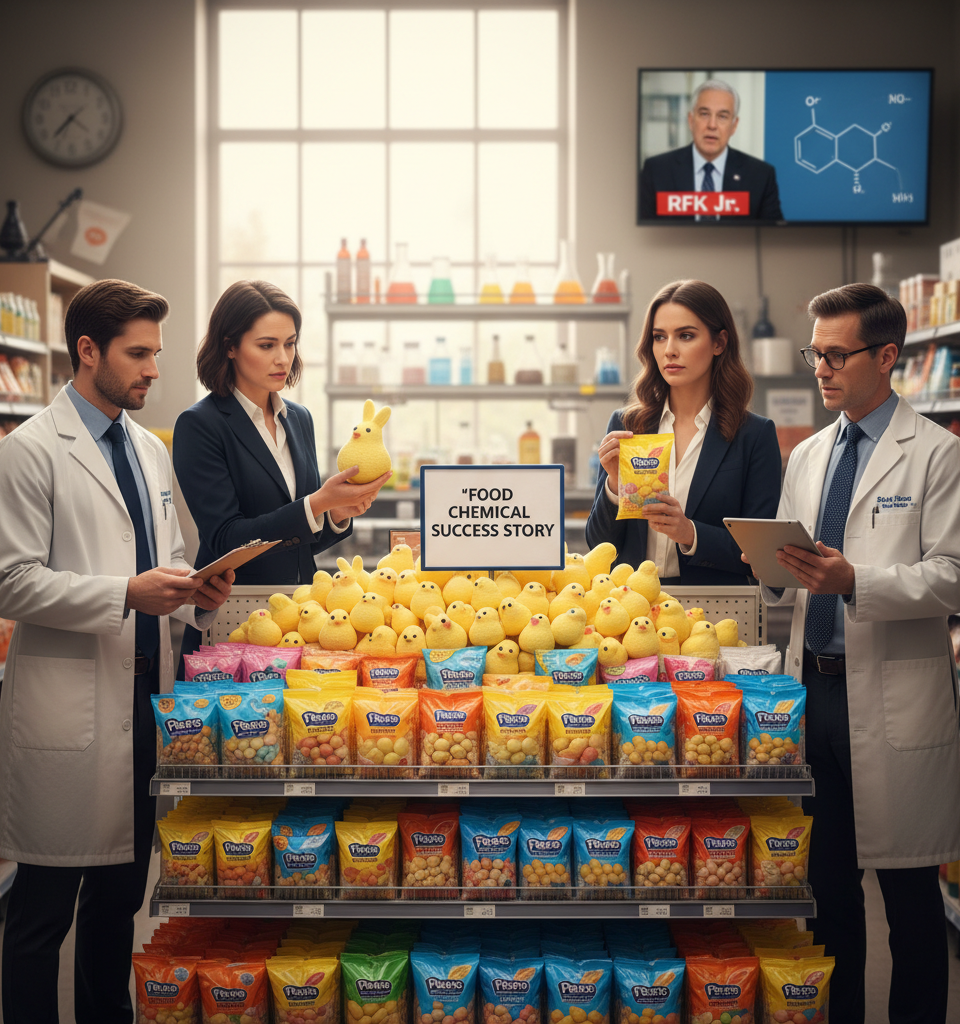
Philadelphia, PA – The ubiquitous, brightly colored marshmallow Peeps, an Easter basket staple, have unexpectedly found themselves at the center of a national debate regarding the safety of food dyes. This confectionery classic is being heralded by food scientists as a “food chemical success story,” even as it faces scrutiny from Robert F. Kennedy Jr.'s Children's Health Defense (CHD) and its allies, who advocate for the removal of synthetic food colorings. The controversy underscores a broader tension between established food science and growing consumer distrust, fueled by activist campaigns.
The Heart of the Conflict: Food Dyes and Public Perception
At the core of this dispute lies the use of Yellow 5 and Yellow 6 – two synthetic food dyes present in Peeps. While these dyes have been approved by the U.S. Food and Drug Administration (FDA) for decades and are widely used in a myriad of food products, organizations like CHD assert potential links to hyperactivity in children and other health concerns. This campaign aligns with a larger movement advocating for cleaner labels and the removal of artificial ingredients, drawing parallels to European Union regulations that mandate warning labels on products containing certain dyes.
Just Born Quality Confections Stands Firm on Safety
Just Born Quality Confections, the Bethlehem, PA-based manufacturer of Peeps, has maintained that its products are safe and comply with all FDA regulations. A company spokesperson emphasized the rigorous testing and regulatory oversight that govern food additives in the United States. Furthermore, industry experts argue that the levels of dyes used in products like Peeps are far below thresholds that would pose any significant health risk, dismissing activists' claims as largely unsubstantiated by comprehensive scientific evidence. "No one is saying, 'I want more cancer with my candy,'" noted one food chemist, highlighting the often-misleading nature of alarmist claims surrounding common food ingredients.
Broader Industry Implications and Consumer Trends
This skirmish over Peeps reflects a significant trend impacting the broader food and beverage industry. Consumer demand for 'natural' and 'clean label' products has surged, prompting many companies to reformulate their products, often at considerable cost. Major brands like General Mills and Kraft Heinz have already made strides in removing artificial colors and flavors from some product lines in response to market pressures. However, companies like Just Born face the challenge of maintaining brand identity and appeal, where vibrant colors are an integral part of the product's allure, particularly for seasonal and celebratory treats.
Expert Perspectives: Science Versus Sentiment
Food scientists and toxicologists generally concur that the FDA's approval process for food dyes is robust and based on extensive research. Dr. David Kessler, former FDA Commissioner, has previously commented on the agency's commitment to public safety while acknowledging the dynamic nature of scientific understanding. Critics of the anti-dye movement argue that the focus often shifts from actual risk assessment to emotional appeals, creating unnecessary fear among consumers. They point out that a vast amount of scientific literature supports the safety of approved food dyes, particularly at the low concentrations found in most consumer food products.
The Regulatory Landscape and Future Outlook
While the FDA continuously reviews the safety of food additives, there are currently no indications of an imminent ban or new significant restrictions on Yellow 5 or Yellow 6 in the U.S. market. However, the persistent public pressure from advocacy groups like CHD could eventually lead to voluntary reformulations by manufacturers seeking to avoid negative publicity and cater to a segment of the market preferring dye-free options. The long-term implication is a potential bifurcation of the market: products retaining artificial dyes might appeal to traditional consumers, while a growing 'clean label' segment will demand natural alternatives, even if it means a different aesthetic or flavor profile for beloved treats.
Peeps: A Case Study in Food Chemical Endurance
Ultimately, the Peeps' saga serves as a fascinating case study in the resilience of traditional food products in the face of modern health activism. Their continued popularity, despite the activist campaigns, highlights a disconnect between the concerns of a vocal minority and the broader consumer base. It also underscores the intricate balance food manufacturers must strike between maintaining product legacy, adhering to regulatory standards, and responding to evolving public sentiment and scientific debate. The 'food chemical success story' of Peeps, therefore, continues as it navigates the complex landscape of consumer health perceptions and food science realities.