The Alarming Context of America's Debt Deluge The United
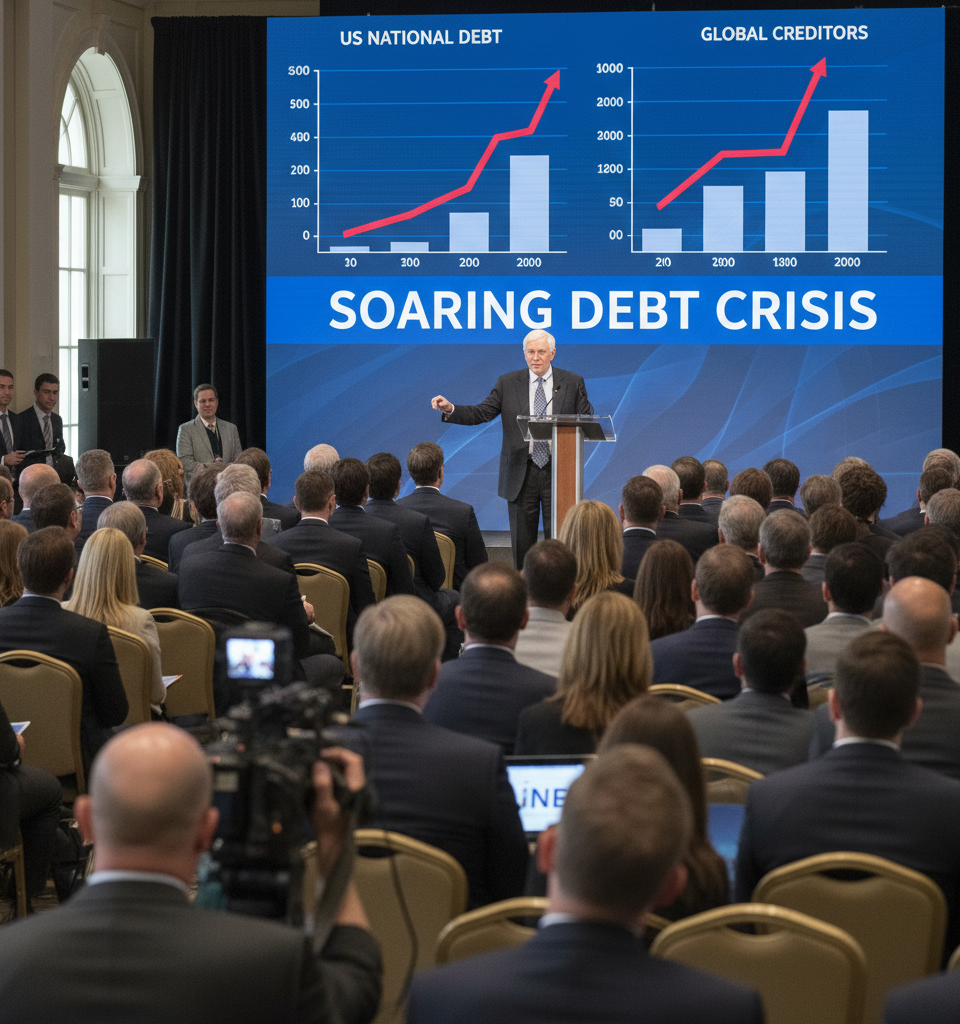
States has consistently operated with significant budget deficits for decades, a trend that accelerated dramatically during the 2008 financial crisis, the COVID-19 pandemic, and subsequent government spending initiatives. The national debt, which was approximately $10 trillion in 2008, has more than tripled since, a testament to continuous deficit spending. This massive accumulation of debt necessitates constant borrowing, much of which comes from foreign entities, including central banks and sovereign wealth funds. Schiff's argument taps into a historical economic concern: excessive reliance on external financing can erode a nation's economic sovereignty and expose it to leverage by its creditors, potentially compelling policy decisions that are not in its best long-term interest.
Key Figures and Schiff's Specific Concerns
Schiff's warnings are grounded in a confluence of factors, including persistently high inflation, rising interest rates, and a weakening dollar relative to commodities like gold. He frequently points to the Federal Reserve's expansive monetary policies, including quantitative easing measures, as a primary driver of currency debasement. "We're all in debt," Schiff has repeatedly stated, articulating a scenario where the U.S. government is effectively borrowing from future generations while simultaneously relying on foreign nations, particularly those like China and Japan, to purchase its Treasury bonds. According to the U.S. Department of the Treasury, foreign ownership of U.S. Treasury securities stands at over $7.6 trillion, representing a substantial portion of the marketable debt. This figure, though fluctuating, remains a critical component of financing the federal government's operations.
Broad Market Implications and Investor Vulnerability
This dependency carries significant implications across financial markets. For investors, particularly those holding U.S. government bonds, the risk of inflation eroding real returns intensifies. A potential scenario could see foreign lenders reduce their appetite for U.S. debt, either due to economic nationalism, geostrategic shifts, or a search for higher yields elsewhere. Such a reduction in demand could force the U.S. Treasury to offer higher interest rates on its bonds, increasing borrowing costs for the government, businesses, and consumers alike. This rise in rates could cool economic activity, trigger a recession, and lead to an exodus from traditional safe-haven assets like Treasuries, potentially favoring alternatives such as gold, commodities, or internationally diversified portfolios.
Diverse Expert Perspectives on Debt and Dependence While
Schiff represents a more hawkish, Austrian School economics perspective, his concerns about debt sustainability are echoed, albeit with different nuances, by other analysts. Mainstream economists often acknowledge the debt challenge but emphasize the U.S. dollar's reserve currency status and the depth of its capital markets as mitigating factors. However, even institutions like the Congressional Budget Office (CBO) project that net interest payments on the national debt will rise sharply over the next decade, consuming an increasing share of the federal budget. Some economists like Paul Krugman argue that as long as real interest rates remain low and the government's debt-to-GDP ratio doesn't explode past certain thresholds, the U.S. can manage its debt. Yet, the rising tide of geopolitical competition and de-dollarization efforts by some nations add layers of complexity that even optimists must consider.
The Road Ahead: Navigating Fiscal Challenges
Looking forward, the U.S. faces critical choices regarding its fiscal policy. Without significant tax increases, spending cuts, or robust economic growth that outpaces debt accumulation, the reliance on external financing is unlikely to diminish. Potential future developments include further debates on the debt ceiling, calls for comprehensive tax reform, and intensified scrutiny of federal spending programs. Investors will need to keenly observe shifts in global reserve currency dynamics, central bank policies worldwide, and the geopolitical landscape. Any substantial divestment from U.S. Treasuries by major foreign holders would trigger a significant reassessment of investment strategies, potentially accelerating a move towards inflation hedges and non-dollar denominated assets, underscoring the critical nature of Schiff's warnings.