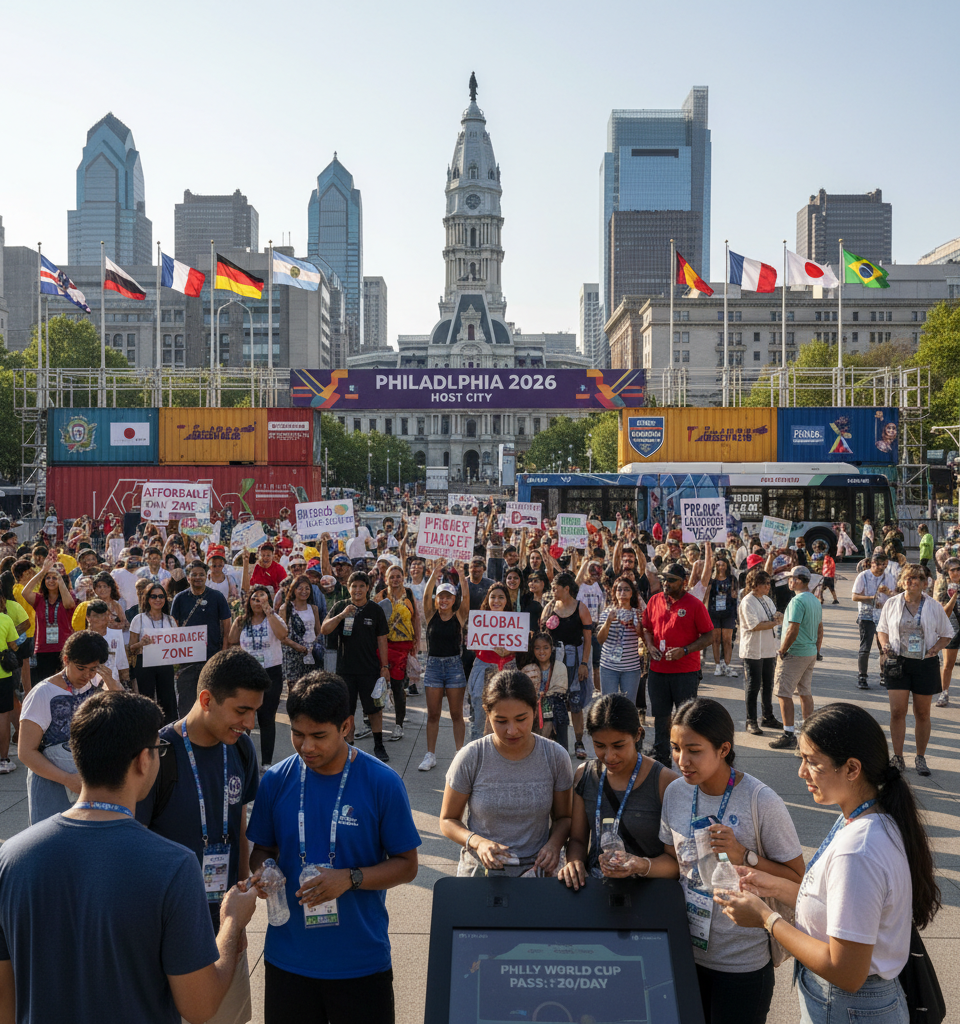
Philadelphia is gearing up to host World Cup matches, embracing its role not just as a host city but as a potential paradigm for future international sporting events. The city’s strategy centers on a deliberate effort to ensure affordability, accessibility, and convenience for both local residents and international visitors, a direct response to challenges that have marred previous World Cup host cities. This proactive stance aims to deliver a World Cup experience that is both memorable and inclusive, distinguishing Philadelphia from its predecessors.
Historical Context and Previous Challenges
The decision by Philadelphia to prioritize affordability and accessibility stems from a critical review of past World Cup hosting experiences. Historically, major global sporting events, including previous World Cups, have often been associated with significant financial burdens on host cities, including inflated prices for accommodation, transportation, and event tickets. These escalating costs have frequently created barriers for average fans and placed strain on local economies, leading to public discontent and questions about the long-term benefits of hosting such tournaments.
By proactively addressing these concerns, Philadelphia seeks to mitigate potential negative impacts and foster a more equitable and enjoyable event for all. The city's leadership has been vocal about learning from these historical precedents, aiming to establish a sustainable and replicable model for large-scale event management.
Philadelphia's Strategic Initiatives
Philadelphia’s plan includes a multi-faceted approach to achieve its affordability and accessibility goals. While specific initiatives are still being detailed, the city is expected to implement measures such as negotiating fair pricing with local businesses for accommodation and services, enhancing public transportation infrastructure to manage large crowds efficiently, and potentially offering tiered ticketing options to make matches accessible across various income levels. The focus extends beyond match days, encompassing the entire visitor experience from arrival to departure. Investments in public information campaigns and multilingual support services are also anticipated to improve convenience for a diverse global audience. This comprehensive strategy is designed to ensure a seamless experience, reducing common points of friction for visitors.
Broader Industry Implications
Should Philadelphia successfully execute its vision, it could significantly influence how future major sporting events are planned and managed globally. The city’s emphasis on affordability and accessibility could set a new standard, pressuring subsequent host cities to adopt similar, more fan-centric policies. This shift could lead to a broader re-evaluation of the economic models typically associated with these events, potentially fostering a more sustainable and inclusive approach to event hosting. Rather than solely focusing on economic windfalls and infrastructure development, future bids might emphasize community benefits and environmental sustainability, moving beyond the traditional metrics of success.
Expert Perspectives
Analysts closely watching the preparations acknowledge the ambitious nature of Philadelphia's goals. While achieving widespread affordability and accessibility for an event of the World Cup's magnitude presents considerable logistical and economic challenges, many experts believe Philadelphia's determined approach is a positive step. "Philadelphia is not just hosting games, they're attempting to rewrite the playbook for how host cities interact with and benefit from global spectacles," commented a leading urban planning consultant who specializes in major events, highlighting the city's commitment to community integration over pure commercial exploitation. This sentiment suggests that the city's strategy is being viewed as an innovative, albeit challenging, endeavor with the potential for long-term positive impact.
Looking Ahead
As the World Cup draws closer, the implementation of Philadelphia’s plans will be under intense scrutiny. The success of its initiatives could serve as a powerful case study for future host cities, particularly in an era where global events are increasingly scrutinized for their social and economic impacts. The ability of Philadelphia to deliver on its promise of an affordable, accessible, and convenient World Cup will not only solidify its reputation as a premier host but also potentially redefine the very essence of what it means to host the world's most popular sporting event.
The coming months will involve detailed planning and coordination with FIFA and various local stakeholders to ensure every aspect of the hosting strategy is meticulously executed, promising a significant moment for both the city and the world of international sports. The world will be watching to see if Philadelphia can truly establish a new benchmark.