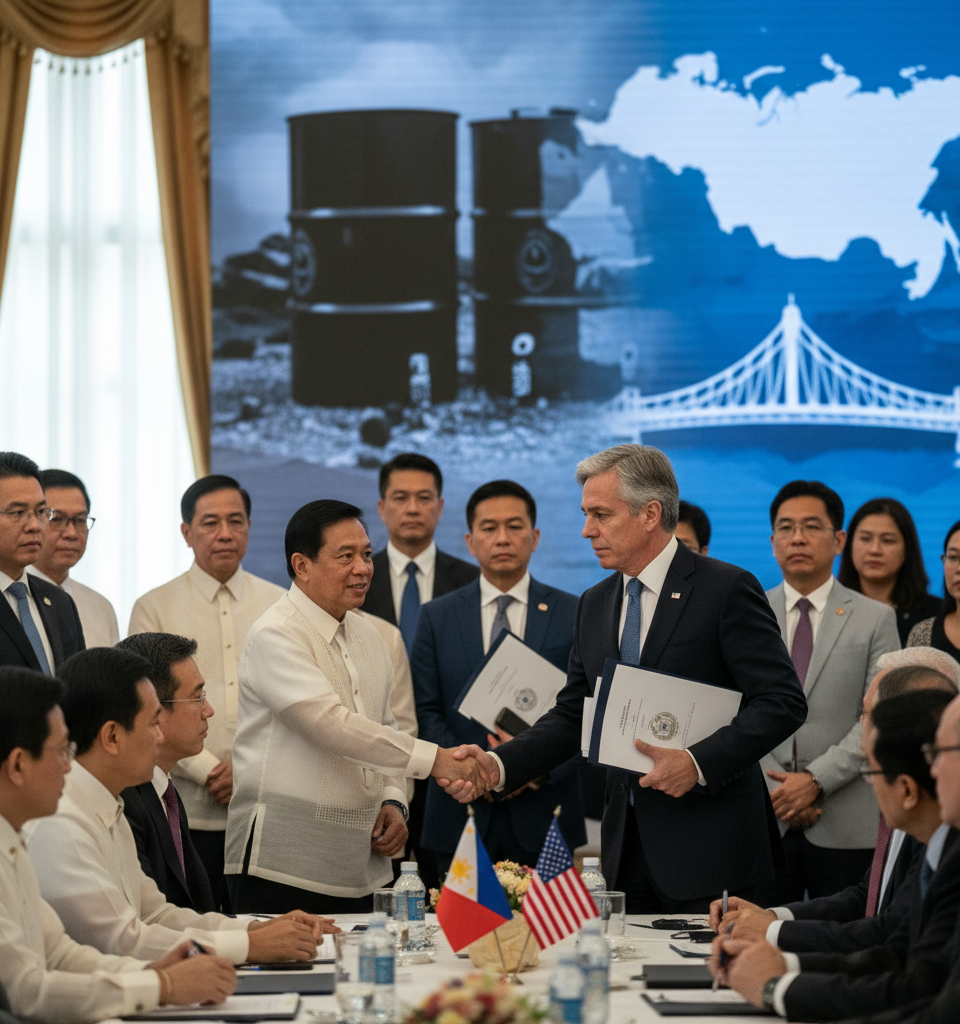
Manila, Philippines – The Philippine government has formally requested an extension from the United States for its existing waiver that permits the purchase of Russian oil, a critical step aimed at stabilizing domestic fuel prices amidst surging global energy markets. The appeal highlights the complex geopolitical tightrope many nations are walking as they navigate Western-led sanctions against Russia following its invasion of Ukraine, while simultaneously striving to secure affordable energy supplies for their populations.
Geopolitical Tensions and Energy Dependency
The request underscores the Philippines' significant vulnerability to international oil price fluctuations and its search for diversified, cost-effective energy sources. While the Philippines is not a major importer of Russian crude, the waiver offers flexibility to procure cheaper Russian refined products or crude from third countries that may have blended Russian oil. This strategic procurement is crucial for an archipelagic nation heavily reliant on imported fossil fuels to power its economy and transport sector. The looming expiration of the current waiver presents a serious challenge for the administration, potentially leading to increased inflationary pressures and economic hardship for ordinary Filipinos.
Seeking Economic Relief Amidst Sanctions
Philippines President Ferdinand Marcos Jr. has publicly articulated the nation's intent to explore all available avenues to secure affordable energy. This stance aligns with the broader policy goal of protecting Filipino consumers from skyrocketing costs. The current global cap on Russian oil prices, established by the G7 nations, the European Union, and Australia, is set at $60 per barrel for crude oil. While ostensibly allowing some Russian oil to flow to avoid supply shocks, the accompanying sanctions and restrictions on maritime services make compliance and procurement complex. Manila's request for an extension on its waiver is a pragmatic attempt to navigate these intricate regulations and exploit any legal flexibility to maintain energy affordability.
Impact on Regional Energy Landscape
Should the waiver be extended, it could have a ripple effect across the Southeast Asian energy market. Other nations in the region, facing similar economic pressures and energy import dependencies, might observe the Philippines' success as a template for their own negotiations with the United States. Conversely, a denial could signal a harder line from Washington on sanction enforcement, potentially pushing more nations towards alternative, non-Western aligned energy suppliers, or forcing them to absorb higher energy costs. The decision will inevitably be watched closely by energy traders and policymakers alike.
Expert Analysis and Economic Implications
Energy analysts suggest that while the Philippines' direct imports of Russian crude are minimal, access to discounted Russian products indirectly helps to keep a lid on domestic prices by increasing overall supply in the global market. "The waiver provides crucial optionality for the Philippines, allowing them to leverage lower-cost Russian fuels even if they don't directly purchase a significant amount," notes Dr. Maria Elena Bautista, an economics professor specializing in energy policy at the University of the Philippines. "Without it, they'd be entirely at the mercy of higher-priced alternatives, which would undoubtedly exacerbate inflationary pressures and hurt consumer purchasing power during an already challenging economic period."
The Path Forward: Diplomacy and Energy Security
The immediate future hinges on diplomatic discussions between Manila and Washington. The United States will need to weigh its strategic objectives of isolating Russia economically against its desire to support an important Indo-Pacific ally facing domestic economic challenges. Any extension would likely come with specific conditions or understandings regarding volume and pricing. Meanwhile, the Philippines continues to explore long-term energy diversification strategies, including investments in renewable energy and natural gas, to reduce its reliance on volatile global fossil fuel markets and insulate itself from future geopolitical disruptions. The outcome of this waiver request will be a significant indicator of the delicate balance between international sanctions, allied relations, and national economic imperatives.