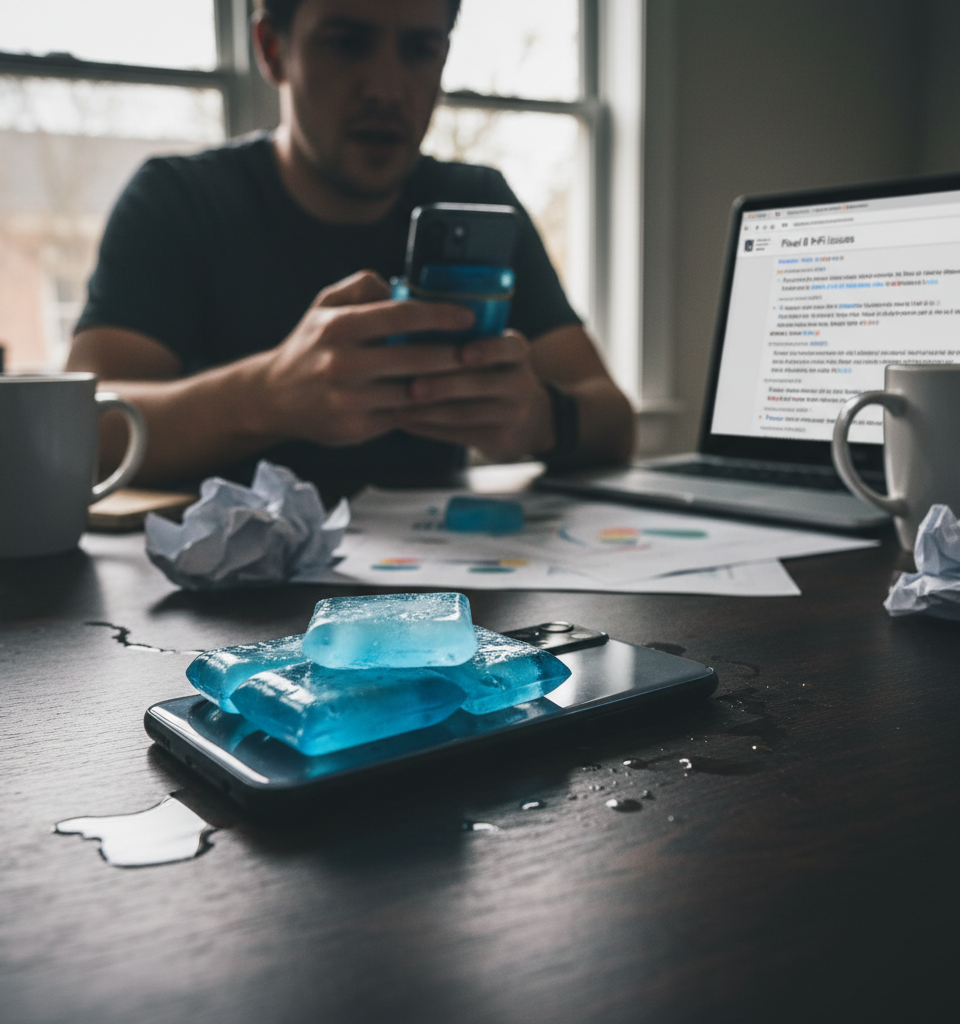
A critical software bug introduced with the March 2026 update has left numerous Google Pixel 8 Pro owners grappling with widespread Wi-Fi connectivity failures, compelling some to adopt extraordinary measures, including physically cooling their devices. Reports surfaced over the past week indicating that the flagship smartphones lose their ability to connect to Wi-Fi networks at normal operating temperatures, with functionality often restored only after the device's internal temperature is significantly lowered. This unusual workaround, involving ice packs and refrigeration, underscores a severe and perplexing technical flaw demanding urgent attention from Google.
Context: A Recurring Nightmare for Pixel Users
This incident marks another challenging chapter for Google's Pixel line, which has intermittently faced software and hardware controversies since its inception. While not on the scale of previous 'Pixelgate' events, the current Wi-Fi debacle directly impacts a fundamental smartphone utility, potentially rendering the device largely unusable for many dependent on wireless internet. The March 2026 update, ostensibly designed to enhance security and performance, has instead introduced a debilitating regression, leaving a vocal segment of the user base frustrated and clamoring for a swift resolution. This issue resonates with prior instances of post-update regressions in the tech sector, raising questions about quality assurance protocols.
Technical Specifics and User Reports
Initial investigations and community reports suggest the problem stems from a thermal-related software conflict, possibly affecting the Wi-Fi modem's stability at typical operating temperatures. Numerous users on Reddit, X (formerly Twitter), and Google's official support forums have documented their experiences, detailing how their Pixel 8 Pro devices report 'No Wi-Fi networks found' or fail to maintain a stable connection, often accompanied by unusual battery drain. Anecdotal evidence strongly links these failures to the March 2026 software patch, with many reporting immediate issues post-update. The desperate measure of 'icing' phones appears to provide temporary relief, allowing users abrief window of Wi-Fi access before the problem inevitably resurfaces as the device warms up. Google has acknowledged the reports and stated it is actively investigating, though no timeline for a fix has been provided.
Industry Impact and Brand Perception
For Google, a company that prides itself on innovative software and consumer-centric design, this flaw represents a significant reputational blow. The Pixel 8 Pro, priced from $999 at launch, is a premium device, and such fundamental connectivity issues undermine consumer trust and value perception. In a highly competitive smartphone market dominated by Apple and Samsung, persistent software glitches risk alienating a loyal user base and deterring potential new customers. Analysts predict this crisis could depress Q2 Pixel sales if not promptly addressed, especially as competitor models continue to offer robust and reliable performance. The potential for widespread returns or warranty claims also poses a logistical and financial challenge for Google's support infrastructure.
Expert Insights on Software Integrity
Technology analysts are weighing in, highlighting the critical importance of robust pre-release testing. Dr. Eliza Thornton, a semiconductor expert at TechInsights, remarked, "This isn't merely a minor bug; it points to a deeper issue in Google's internal testing pipeline, especially concerning thermal management and component-level software integration. For a flagship device, a fundamental flaw like Wi-Fi failure post-update is almost inexcusable and indicates a potential breakdown in their quality assurance." Others suggest that the increasing complexity of modern smartphone operating systems and iterative, rapid update cycles might be contributing factors to such regressions, making comprehensive testing more challenging.
The Road Ahead: Google's Response and Future Patches
Google's immediate priority is to identify the root cause of the Wi-Fi anomaly and deploy an emergency patch. The tech giant has yet to offer a public statement beyond acknowledging the issue, leaving users in limbo. It's anticipated that a hotfix will be pushed out within weeks, potentially followed by a more comprehensive patch in Google's April or May software releases. The incident also raises questions about Google's future software release strategy and internal quality control for its Pixel hardware. Consumers will be closely watching not only for the fix but for Google's communication transparency and any compensatory measures offered to affected users, which could include extended warranties or device replacements for those severely impacted by the persistent connectivity failures.
Long-Term Implications for Pixel Line
Beyond the immediate crisis, this event could have long-term implications for the Pixel brand. Building a reputation for buggy software can be difficult to shake off, impacting market share and consumer confidence in subsequent product launches. Google must not only rectify the current issue but also demonstrate a renewed commitment to stringent quality control and transparent communication. Successful resolution and a proactive approach to preventing future recurrences will be crucial for the continued growth and credibility of the Pixel ecosystem in an increasingly scrutinized technological landscape. The 'icing' workaround serves as a stark reminder of the fragile balance between cutting-edge innovation and reliable user experience.