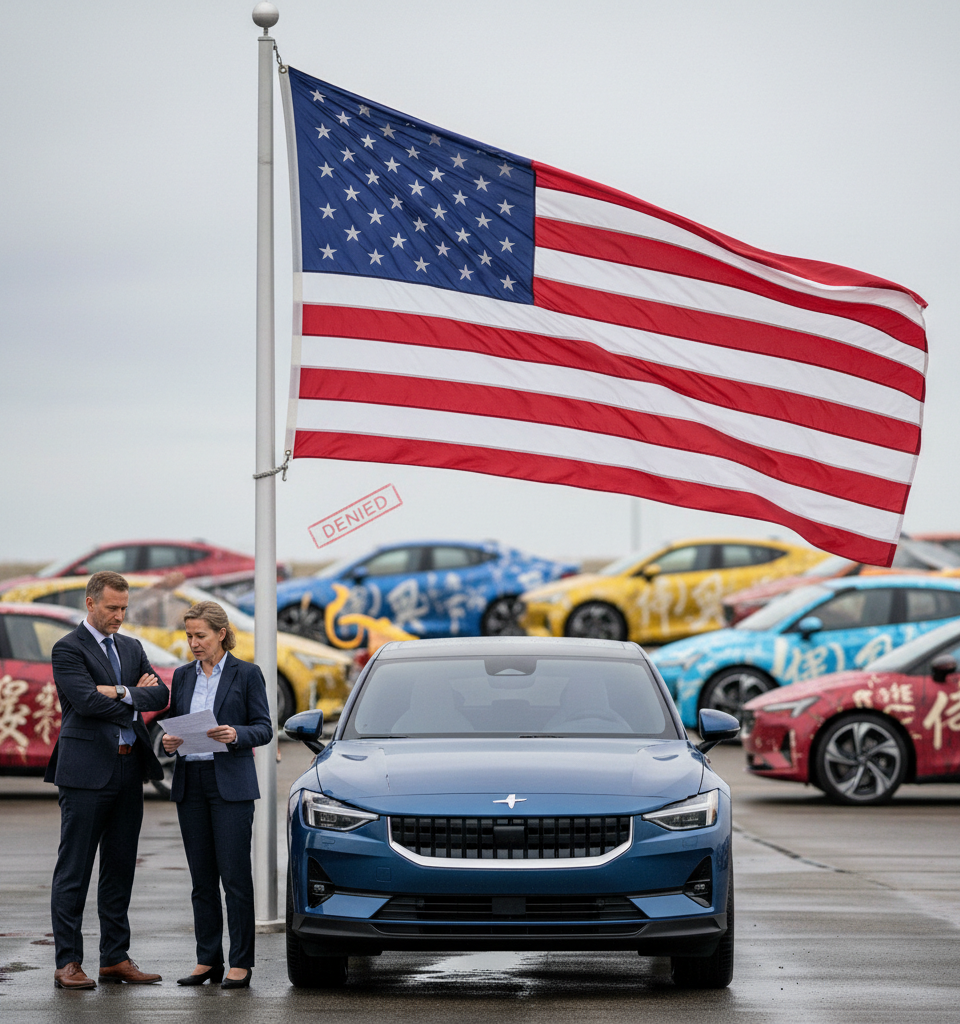
Polestar has reportedly been denied authorization to sell its upcoming vehicle models in the United States starting next year, a decision attributed to burgeoning connected-vehicle regulations aimed at restricting Chinese technology. The ruling poses a considerable challenge for the nascent electric vehicle manufacturer, which has ambitious growth plans within the lucrative American automotive market.
Context and Background
The denial underscores a broader geopolitical trend where technology, particularly in areas deemed critical infrastructure like connected vehicles, is increasingly scrutinized through the lens of national security. The U.S. government has been escalating efforts to reduce reliance on Chinese technology, citing concerns over data security, espionage, and supply chain vulnerabilities. This regulatory environment has already impacted various sectors, and its extension to the automotive industry, particularly electric vehicles with their sophisticated software and connectivity features, represents a deepening of these concerns. For Polestar, a brand with significant ties to Chinese manufacturing and a shareholder base including Geely, navigating these geopolitical currents is proving complex.
Key Details
The specific connected-vehicle rules that have led to Polestar's denial are understood to target components and software originating from or extensively developed in China. These regulations are designed to prevent potential backdoors, unauthorized data access, or control by foreign entities through vehicle systems. While the exact scope and technical specifications of the problematic components in Polestar's future models have not been publicly detailed, the denial suggests that standard cybersecurity audits and compliance checks under the new framework have flagged critical issues. This is not merely a tariff issue but a deeper structural block on authorization to sell, indicating a fundamental non-compliance with security protocols.
Industry and Market Impact
This development sends a strong signal across the automotive industry, particularly to other manufacturers with substantial production or technology sourcing from China. Companies like Polestar, which aims to carve out a niche in premium electric vehicles, rely heavily on market access, especially in key regions like the U.S. The denial could force a rethinking of global supply chains and technology partners for many automakers. It highlights the growing importance of source country diversification for vehicle components and software, potentially leading to increased costs and slower innovation as companies untangle complex international collaborations. For consumers, it may limit choice in the rapidly expanding EV market, at least in the short term, as some models fail to meet stringent import regulations.
What's Next
Polestar is now faced with critical decisions. S. regulations, a process that could be time-consuming and expensive.
Alternatively, the company may need to explore significant shifts in its manufacturing and technology development hubs to circumvent the restrictions. S. market.
The long-term implications could see Polestar needing to operate with distinct vehicle specifications and supply chains for different global markets, adding layers of complexity to its operational strategy. S. regulatory bodies to understand the precise requirements for future authorization and to outline a path toward compliance.