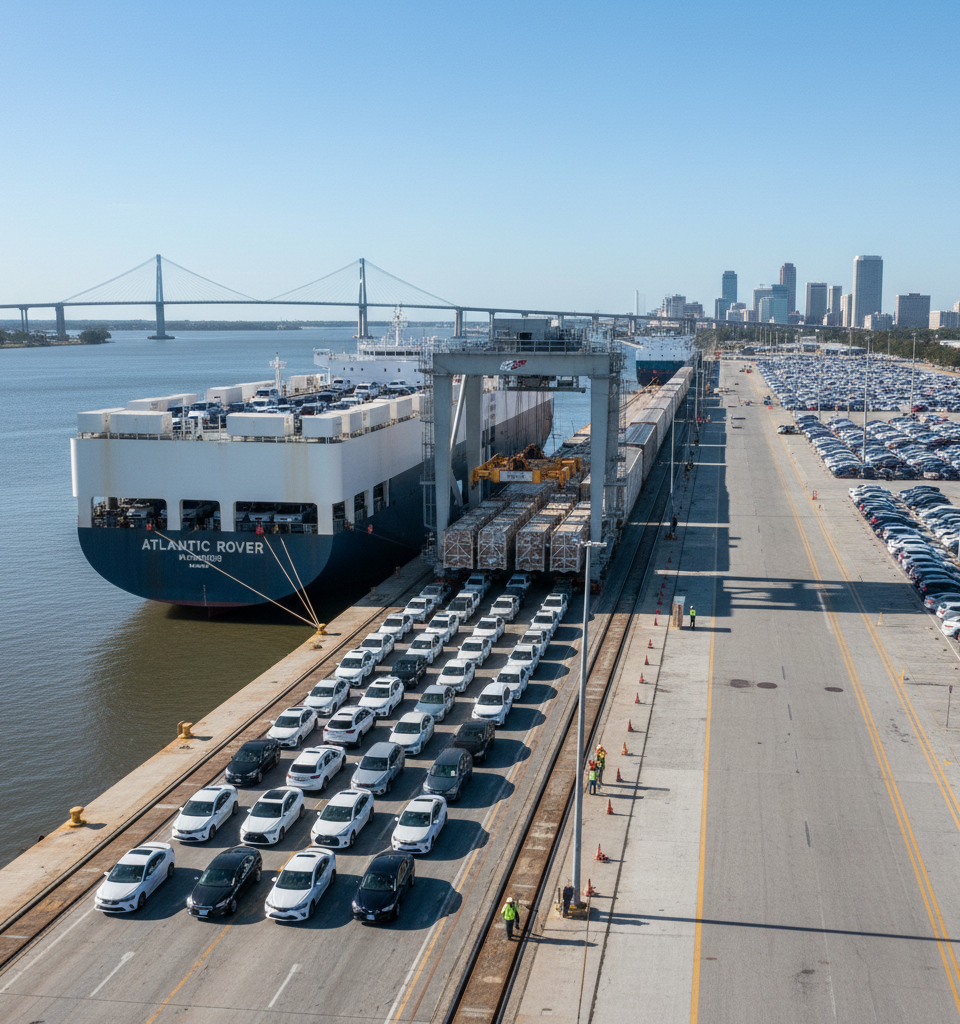
The Port of Charleston is preparing to substantially increase its capacity for handling automotive cargo, a move designed to reinforce its pivotal role in global supply chains. The impending expansion focuses on critical improvements to both rail infrastructure and vessel parking areas, directly addressing the evolving needs of the automotive industry, particularly those automakers operating within just-in-time (JIT) inventory management systems.
The initiative underscores a broader trend within the logistics and manufacturing sectors, where the timely and efficient movement of components is paramount. For the automotive industry, which often operates with minimal on-hand inventory to reduce costs and increase responsiveness, reliable port operations are non-negotiable. This planned enhancement by the Port of Charleston reflects an understanding of these intricate demands, positioning the port as an even more integral node for manufacturers.
Key details of the expansion involve targeted upgrades to the port's existing rail network. This will likely include the addition of new tracks, increased sidings for staging railcars, and potentially advanced signaling systems to optimize train movements. Concurrently, the expansion of vessel parking areas suggests an increase in dedicated berths or enhanced operational efficiencies at existing berths to accommodate a greater volume of vehicle carriers. These dual improvements are synergistic, ensuring that both the sea-borne and land-based legs of the automotive supply chain can handle increased throughput effectively.
This strategic investment is expected to have a significant impact on the broader automotive and logistics landscape. By enhancing its capacity, the Port of Charleston aims to attract new automotive import and export business, potentially shifting trade flows and offering alternative gateways for manufacturers. The strengthened infrastructure could also provide a more resilient supply chain option for companies looking to diversify their logistics channels, particularly in an era marked by occasional disruptions.
While specific financial figures or a definitive timeline for completion have not been disclosed, the emphasis on supporting just-in-time supply chains highlights the urgency and strategic importance of these upgrades. Industry analysts have frequently pointed to the fragility of highly optimized supply chains when confronted with unexpected shocks. A port offering expanded and more robust infrastructure for critical components directly mitigates some of these risks.
The enhancements are also likely to improve overall port efficiency, reducing dwell times for vessels and railcars, which translates to cost savings and faster delivery cycles for automotive manufacturers. This improved efficiency is a key competitive differentiator in a global market where speed and reliability are highly prized.
Looking ahead, the successful implementation of these infrastructure improvements is anticipated to solidify the Port of Charleston’s position as a premier gateway for automotive trade in the Southeastern United States. Future developments may include further investments in cold chain capabilities, advanced warehousing solutions specifically tailored for automotive components, or even the establishment of value-added services such as pre-delivery inspection centers within the port's footprint.
The project signifies a forward-thinking approach by the port authorities to adapt to the future demands of global manufacturing, particularly within the dynamic automotive sector. It underscores a commitment to sustained growth and to providing essential infrastructure that supports the complex logistical requirements of modern industry.