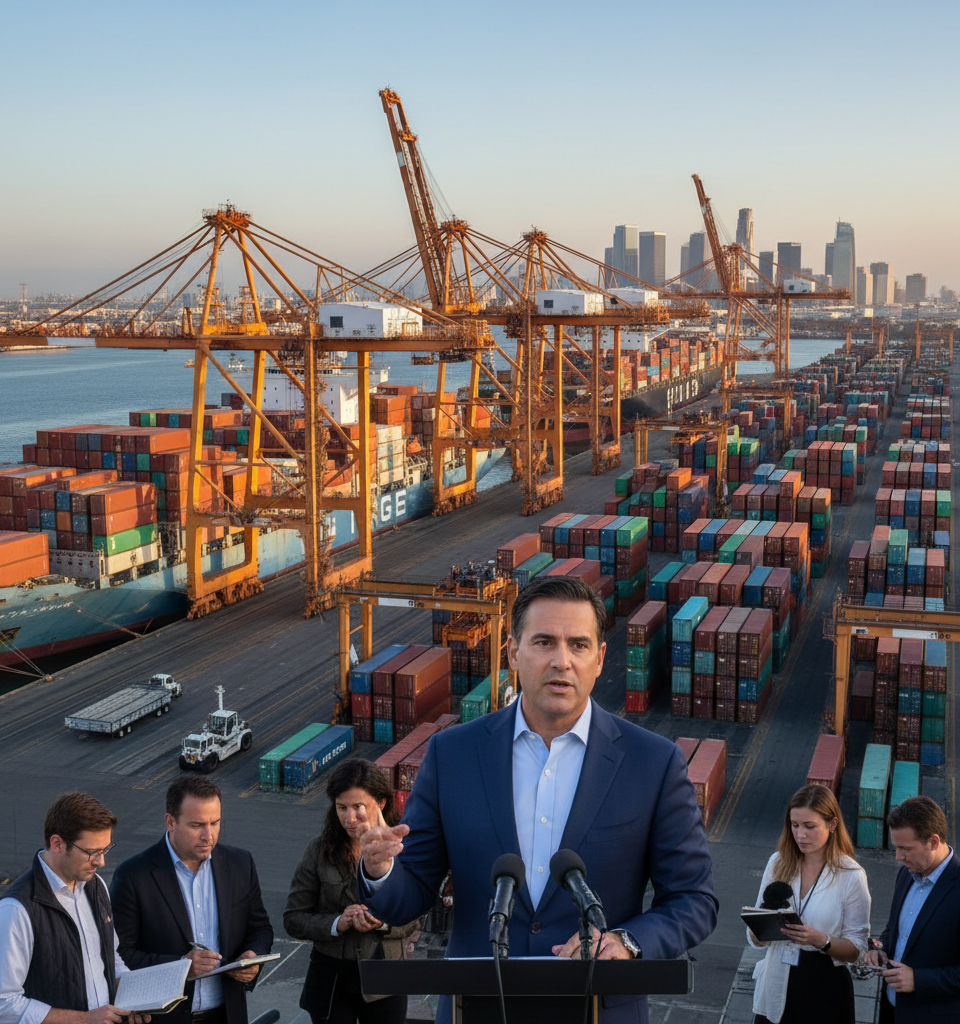
The Port of Los Angeles, the nation's busiest container port, reported a substantial increase in cargo volume for April, signaling a resilient consumer demand despite mounting geopolitical tensions in the Middle East. Executive Director Gene Seroka highlighted a robust inflow of merchandise, attributing the surge to the ongoing arrival of spring and summer seasonal goods, with retailers already anticipating back-to-school and year-end holiday demand.
Economic Resilience Amidst Geopolitical Headwinds
The April volume increase is a critical indicator of economic stability, particularly as global supply chains navigate the complexities introduced by the Iran war shadow. While the conflict has raised concerns about potential disruptions to international trade routes, especially through the Strait of Hormuz, the consistent flow of goods into the Port of Los Angeles suggests a degree of resilience in the trans-Pacific shipping lanes. This performance contrasts with previous periods of uncertainty where geopolitical events quickly curtailed shipping activity, underscoring evolving strategies by retailers and logistics providers to maintain inventory levels.
Preparing for Peak Season Demand
Seroka's comments underscore a proactive approach by businesses in managing their inventory cycles. The early arrival of back-to-school products and forthcoming holiday inventory reflects lessons learned from previous supply chain bottlenecks, where delays in shipping led to missed sales opportunities. This forward-looking procurement strategy aims to mitigate risks associated with potential future disruptions, whether from geopolitical events, labor negotiations, or unexpected surges in consumer spending. Retailers appear to be prioritizing stock levels to ensure shelves are well-supplied during critical shopping seasons.
Industry and Market Impact
For the logistics and retail sectors, the strong April numbers from the Port of Los Angeles provide a cautiously optimistic outlook. Improved cargo flow can alleviate pressure on warehousing, trucking, and other inland transportation networks, facilitating a smoother distribution of goods across the country. This consistent movement of goods supports employment within the vast ecosystem of port operations, freight forwarding, and retail distribution. Furthermore, a predictable supply chain helps retailers manage pricing and promotional strategies more effectively, ultimately benefiting consumers through greater availability and potentially more stable prices.
Future Outlook
Looking ahead, the Port of Los Angeles remains a bellwether for the broader U.S. economy. Sustained cargo volumes through the spring and into the summer will be crucial for reinforcing economic forecasts that predict continued growth. While the immediate concerns of the Iran conflict loom, the port's performance in April signals an underlying strength in consumer demand and an adaptive supply chain. Industry observers will closely monitor subsequent monthly reports to ascertain if this positive trend continues, particularly as the traditional peak shipping season approaches.
The port's strategic importance as a gateway for Asian imports means its operational health directly impacts national retail inventory levels and inflationary pressures. Seroka's emphasis on future inventory pipelines suggests a forward momentum that stakeholders hope can withstand any prolonged international instability, securing a steady flow of goods for American consumers throughout the remainder of the year.