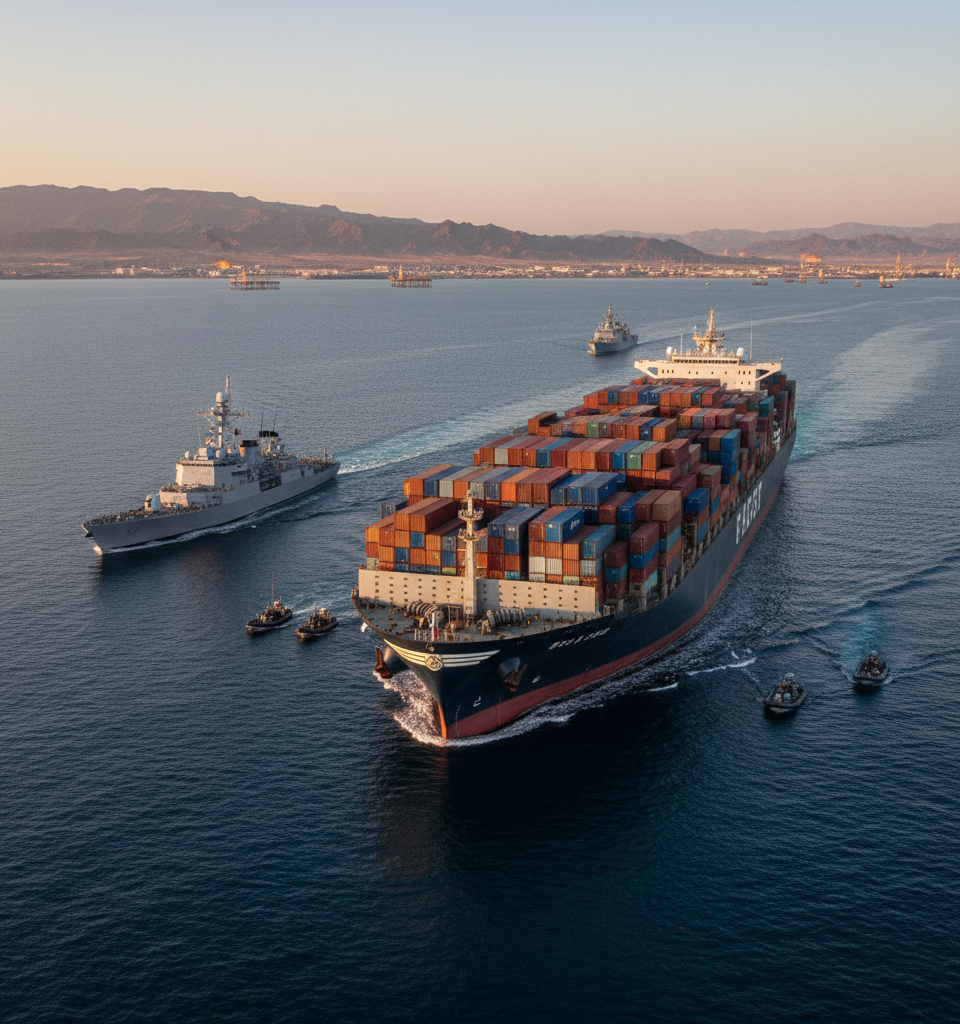
The Strategic Chokepoint and Its Vulnerability The Strait of Hormuz, the narrow waterway between the Persian Gulf and the Arabian
Sea, is arguably the world's most strategically important oil transit chokepoint. An estimated 20% of the world's total petroleum liquids consumption and a third of the world's liquefied natural gas (LNG) transits through this strait daily. Its vulnerability to geopolitical tensions has been repeatedly demonstrated, with past incidents involving tanker attacks and seizures immediately elevating insurance premiums and generating severe market apprehension. The current projection underscores the severe and lasting impact that even a cessation of active conflict may have on global energy security and supply chain resilience.
Underwriting Risk: The Insurers' Calculus According to leading figures within the maritime insurance sector, the six-month timeframe is a conservative estimate based on the extensive assessment and clearance procedures required.
"It's not just about active combat stopping; it's about the comprehensive removal of residual threats," explained a senior underwriter at Lloyd's of London, speaking on condition of anonymity. "This includes potential unexploded ordnance, mines, or even lingering concerns about navigation system interference. The process involves detailed surveys, de-mining operations, and a significant period of observation to ensure the area is truly safe for vessels valued at hundreds of millions of dollars." This rigorous approach is crucial for insurers who bear the financial brunt of any incidents, influencing their willingness to provide coverage and the cost of such coverage.
Global Economic Ramifications Such a protracted disruption would send ripples across the global economy.
Energy markets, already sensitive to regional instability, would face sustained upward pressure on prices for crude oil, refined products, and LNG. Major consumers in Asia, particularly China, India, Japan, and South Korea, which are heavily reliant on Gulf energy supplies, would be forced to seek alternative, often more expensive, routes or sources. Beyond energy, the delay would impact the shipment of general cargo, chemicals, and manufactured goods transiting through the region, leading to increased freight costs, longer transit times, and potential consumer price inflation. Businesses relying on just-in-time supply chains would be particularly vulnerable to these delays and increased logistical complexities.
Expert Insights and Historical Precedent
Maritime security analysts concur with the insurers' cautious outlook. Dr. Elena Petrova, a geopolitical risk expert at the Royal United Services Institute (RUSI), noted, "The clean-up and de-risking of a post-conflict maritime zone is an immense undertaking. We've seen similar, albeit less severe, challenges in other conflict areas. The sheer volume of traffic and the strategic importance of Hormuz mean that no risks can be taken. The cost of a single incident would far outweigh the cost of a thorough, prolonged clearance." She highlighted previous instances in the Persian Gulf and Red Sea where residual threats persisted for months, even years, after major engagements. The need for international cooperation on de-mining and maritime security patrols would be paramount.
Operational Adjustments and Market Responses Ahead of any potential cessation of hostilities, shipping companies are already factoring in worst-case scenarios.
Many have developed contingency plans, including rerouting vessels around the Cape of Good Hope – an option that adds thousands of miles, weeks to journey times, and millions of dollars in fuel costs per voyage. Such rerouting would exacerbate global port congestion and strain existing infrastructure. Shipowners and charterers will face significantly elevated war risk insurance premiums during the transition period, severely impacting their operational economics and potentially leading to surcharges passed on to consumers. The shipbuilding industry could also see an uptick in demand for newer, more efficient vessels capable of longer voyages.
The Path to Normalcy: International Collaboration and Verification Achieving the "green light" for normal shipping operations will hinge on a meticulously coordinated effort involving international naval forces, specialized de-mining units, and independent maritime safety organizations.
This would include comprehensive underwater surveys, aerial surveillance, and the establishment of verified safe shipping lanes. Transparency and frequent communication from these bodies will be crucial for insurers and shipping companies to regain confidence. The duration of the six-month period could be influenced by the scale of the preceding conflict, the types of ordnance deployed, and the political will for collaborative de-escalation and remediation efforts. Until such verification is complete, the shadow of conflict will continue to loom large over the world's most vital energy artery.