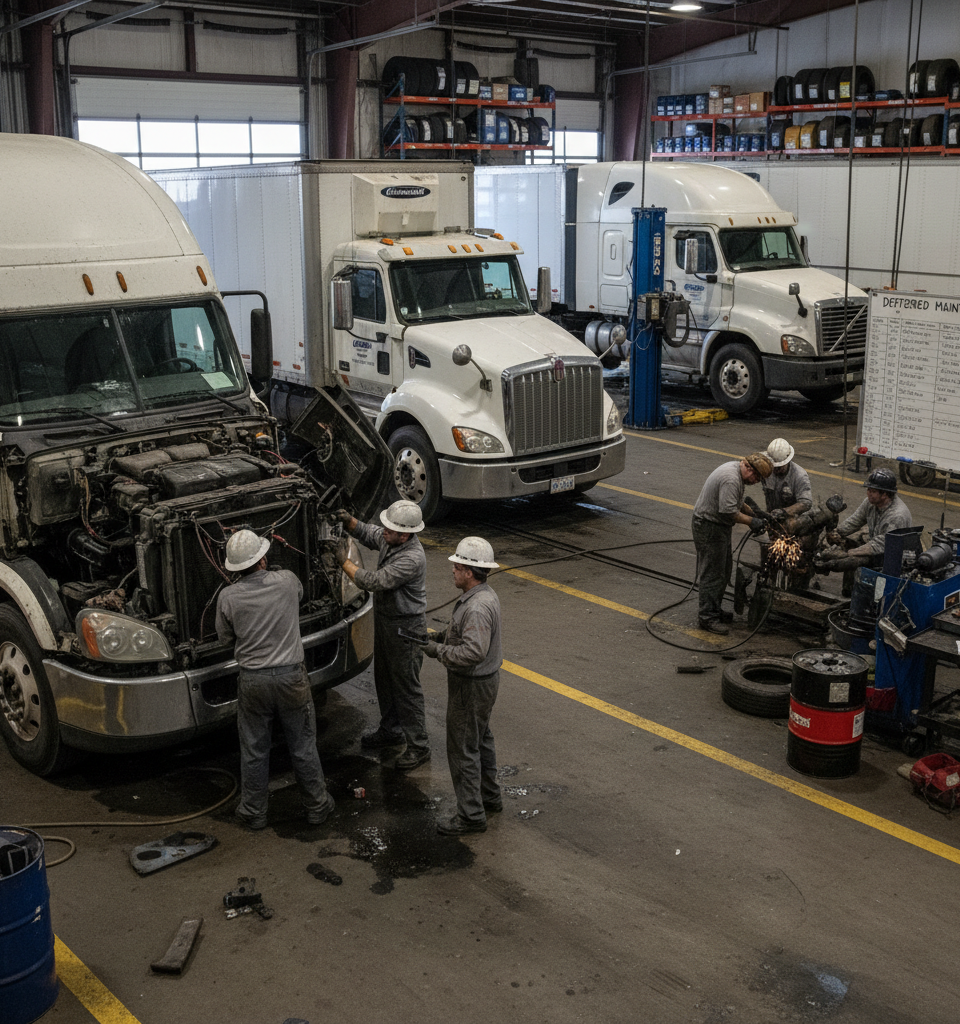
The trucking industry is confronting a significant challenge as it transitions out of a multi-year freight recession. A substantial accrual of deferred maintenance on commercial vehicle fleets, accumulated during the economic slowdown from 2022 to the current period, is creating a critical safety and operational dilemma. This issue, highlighted by recent SONAR analysis, suggests that cost-saving measures during the lean years have inadvertently stockpiled risks that are now manifesting as freight volumes and fleet utilization begin to surge across the nation.
The Lingering Aftermath of Economic Downturn
The prolonged freight recession, characterized by reduced demand, overcapacity, and compressed margins, forced many trucking companies to implement stringent cost-cutting strategies. Among the most vulnerable areas for budget reductions was routine vehicle maintenance. While deferring non-critical repairs provided immediate financial relief, it has led to a compounding problem of aging components, unaddressed wear and tear, and potentially compromised safety systems. This situation mirrors historical patterns where economic downturns in logistics sectors often precede periods of increased scrutiny on operational health once conditions improve.
Escalating Risks Amidst Recovery
As the freight cycle begins its recovery phase, marked by rising demand and increased fleet utilization, the consequences of deferred maintenance are becoming acutely apparent. Trucks are spending more time on the road, carrying heavier loads, and operating under tighter schedules. This heightened operational intensity exposes previously masked mechanical issues and accelerates the deterioration of neglected components. The potential ramifications include a rise in roadside breakdowns, increased accident rates due to failing equipment, and ultimately, higher operational costs through emergency repairs and regulatory fines. Data from industry sources indicates a notable uptick in out-of-service violations related to maintenance during recent inspections compared to pre-recession levels.
Broader Industry and Economic Impact
The ramifications of this deferred maintenance crisis extend far beyond individual trucking companies. An increase in truck breakdowns and accidents can lead to significant supply chain disruptions, impacting delivery times, consumer prices, and overall economic efficiency. For an industry already grappling with persistent driver shortages and rising insurance premiums, a widespread safety issue could exacerbate these pressures, driving up operational costs further and potentially hindering the nascent economic recovery. Furthermore, negative publicity surrounding safety incidents could erode public trust in the trucking sector, an essential pillar of the national economy.
Expert Insights on the Safety Lag
Industry analysts and safety experts are voicing concerns over the emerging trend. "What we're seeing is a natural, albeit dangerous, lag effect," states Dr. Evelyn Reed, a logistics and supply chain economist. "Companies prioritized survival during the recession, and maintenance was an easy target for cuts. Now, as freight volumes rebound, the bill for that deferred maintenance is coming due, not just in repair costs but potentially in human lives and economic disruption." She emphasizes that proactive investment in maintenance now is crucial to prevent a larger crisis. Fleet management solutions providers report a significant increase in demand for comprehensive diagnostics and preventative maintenance programs, indicating a sector-wide realization of the problem.
Addressing the Maintenance Backlog and Future Outlook
Looking ahead, the trucking industry faces the urgent task of aggressively addressing this maintenance backlog. This will likely involve substantial capital investment in repair and replacement of equipment, potentially impacting carrier profitability in the short term. Regulatory bodies are expected to intensify roadside inspections and enforcement of safety standards, putting additional pressure on fleets to comply. Companies that proactively invest in robust preventative maintenance programs, advanced telematics for predictive analytics, and enhanced driver training on pre-trip inspections will be best positioned to navigate these challenges. The coming months will be critical in determining whether the industry can effectively mitigate the safety risks accumulated during the recession and re-establish a foundation of operational excellence and safety.
Many fleets are exploring innovative financing options to fund the necessary repairs, while others are considering accelerated retirement of older, more problematic vehicles. The push for newer, more technologically advanced trucks with better diagnostic capabilities is also gaining momentum as a long-term strategy to prevent similar backlogs in future economic cycles. The path to recovery for the trucking sector is not just about moving more freight; it's crucially about moving it safely and reliably.