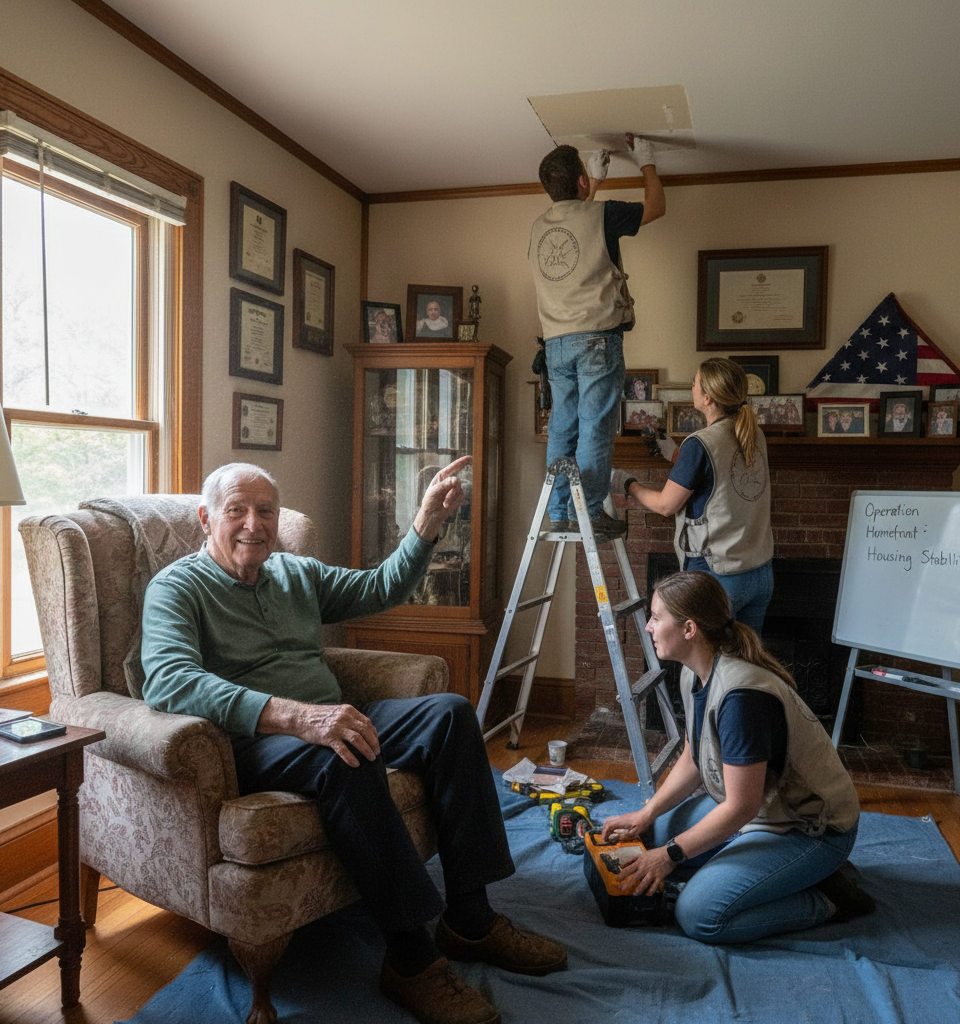
Policymakers are being called upon to adopt an expanded strategy for addressing veteran housing instability, shifting focus beyond immediate concerns of affordability and homelessness towards proactive preservation and accessibility. This proposed framework suggests that by supporting essential home repairs and modifications, the nation can ensure its aging veteran population maintains safe and independent living in their existing residences.
Historically, discussions around veteran housing support have predominantly centered on crisis intervention, such as addressing homelessness or providing affordable housing solutions. While these remain critical components of veteran welfare, the evolving demographic of the veteran population, particularly a growing number of older veterans, necessitates a more comprehensive approach. Many veterans possess homes but face challenges maintaining them due to age, disability, or financial constraints, making preservation an increasingly vital policy frontier.
The core of this proposed strategy lies in identifying and funding programs that facilitate necessary home improvements. This includes, but is not limited to, structural repairs, energy efficiency upgrades, and modifications to enhance accessibility for veterans with disabilities. Such interventions can prevent homes from falling into disrepair, thereby averting situations that could otherwise lead to displacement or institutionalization. The emphasis is on proactive measures that allow veterans to age in place, preserving their independence and community ties.
Implementing such a strategy could significantly impact the broader housing and social services landscape. By reducing the number of veterans who might otherwise transition into homelessness or require more intensive, expensive care due to inadequate housing, resources could be reallocated more effectively. It also acknowledges the profound psychological and social benefits veterans derive from maintaining their long-term homes, which often represent stability, memory, and community connection.
While this perspective does not negate the ongoing need for affordable housing initiatives and homeless outreach programs, it argues for their integration into a more holistic policy vision. Experts suggest that a failure to address the preservation aspect could undermine other housing efforts, as veterans who secure housing may still face future instability if preventive maintenance and accessibility needs are not met. The synergy between affordable housing creation and existing home preservation is crucial for a truly resilient support system.
Looking ahead, the success of this strategy will depend on robust legislative support and dedicated funding mechanisms. Policymakers would need to assess existing programs, identify gaps, and potentially create new initiatives or expand current ones to cover a wider range of home preservation and modification services. Engaging with veteran service organizations, housing non-profits, and construction trades will be essential to develop and implement effective, veteran-centric programs.
Ultimately, a comprehensive approach that deeply integrates housing preservation and accessibility alongside affordability and homelessness prevention is seen as the path forward. This multi-faceted strategy would not only stabilize individual veteran lives but also contribute to healthier, more stable communities, ensuring that those who have served the nation can continue to live with dignity and independence in their homes.