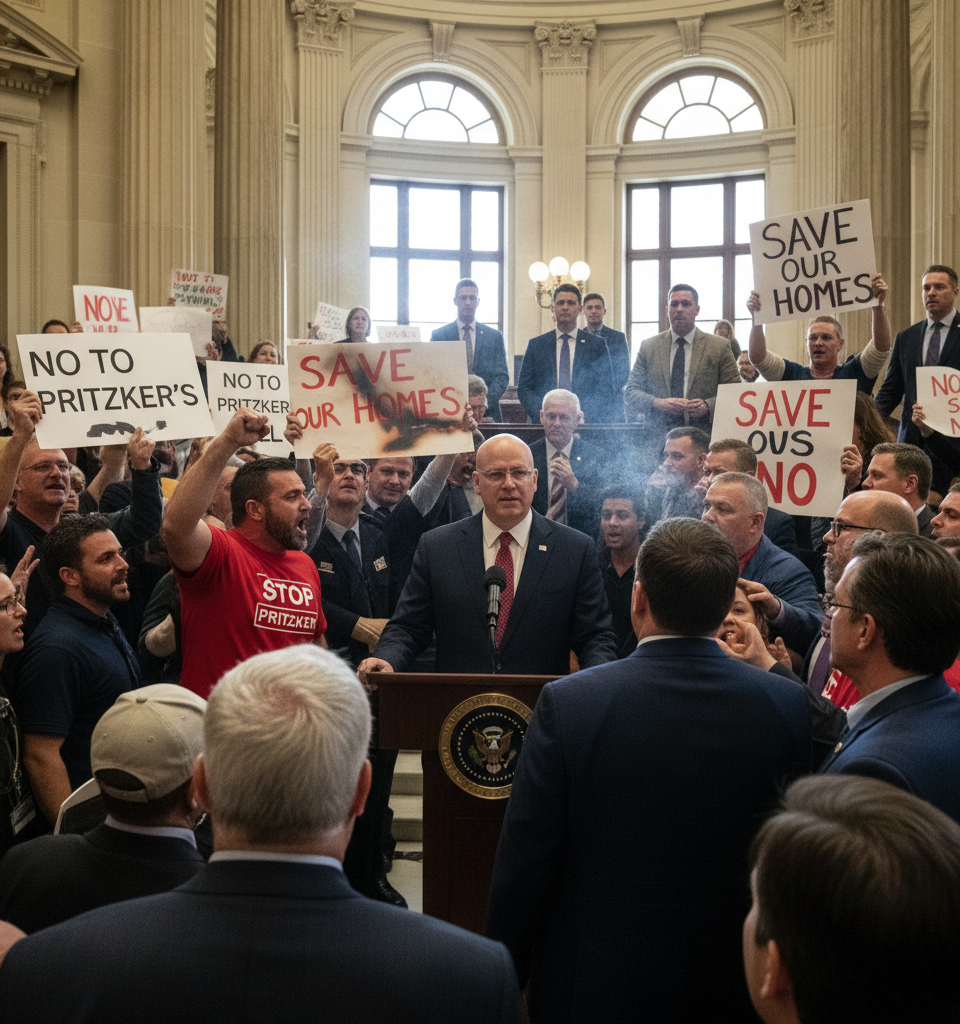
B. Pritzker’s sweeping housing reform agenda. On Thursday, a landmark hearing in Springfield saw an unprecedented turnout, with thousands of proponents and opponents converging to deliver their initial testimonies on the proposed six-bill package. This concerted effort by developers, advocacy groups, municipal leaders, and community organizers underscores the deep divisions and high stakes surrounding the governor's BUILD (Building Up Illinois' Development) plan, which seeks to streamline construction processes and reduce housing costs across the state.
Context and Background
This legislative push arrives amidst a persistent affordable housing crisis plaguing Illinois, particularly in its metropolitan areas. For years, advocates have pointed to restrictive zoning laws, bureaucratic red tape, and escalating construction expenses as major impediments to expanding the housing supply. Governor Pritzker's administration asserts that the BUILD plan is a direct response to these challenges, designed to foster economic growth and ensure housing accessibility for all Illinoisans. Previous attempts at comprehensive housing reform have often met with fragmented success or outright failure due to a complex interplay of local control, special interest lobbying, and diverse community needs. The sheer scope of Pritzker's current proposal, encompassing multiple facets of development and zoning, distinguishes it from prior, more modest initiatives.
Key Details of the BUILD Plan
The governor's extensive legislative slate, collectively known as the BUILD plan, comprises six distinct bills, each targeting specific hurdles in the housing development pipeline. While the full text of each bill is dense, common themes include measures to expedite permitting, standardize certain zoning regulations across municipalities, and incentivize the construction of affordable housing units. For example, one bill is rumored to propose a fast-track approval process for projects meeting specific density and affordability criteria, potentially cutting typical permitting times by 20-30%. Another key provision reportedly seeks to limit the ability of local governments to impose excessive fees on new developments, which can add tens of thousands of dollars to the cost of a single housing unit. Supporters argue these changes are crucial to unlocking development, while critics raise concerns about the erosion of local control and potential negative impacts on existing communities.
Industry and Market Impact
The potential impact of the BUILD plan on Illinois' real estate and construction industries is substantial. Developers, often bogged down by a patchwork of municipal regulations and protracted approval timelines, largely welcome the prospect of greater consistency and efficiency. They anticipate that streamlined processes could lead to a significant increase in housing starts, potentially boosting employment in the construction sector by an estimated 10-15% over five years. Realty associations believe that an expanded housing supply could stabilize or even slightly reduce housing prices, benefiting first-time homebuyers and renters. Conversely, some municipal bond analysts have expressed concerns that certain provisions, if enacted, could impact local government revenues derived from development fees, potentially leading to budgetary adjustments in towns heavily reliant on such income streams. The outcome of this legislative debate could fundamentally reshape the economic calculus for property development across Illinois.
Expert Perspective Housing policy experts offer varied perspectives on the proposed reforms. Dr. Eleanor Vance, a professor of urban planning at the University of
Chicago, commented, "While the intent to address the housing crisis is laudable, the devil is truly in the details. A wholesale reduction in local control without robust safeguards could lead to unintended consequences, including increased strain on existing infrastructure in some areas and a potential loss of community character." However, a report from the Illinois Economic Policy Institute (ILEPI) last month projected that easing development restrictions could result in the creation of over 50,000 new housing units statewide within the next decade, generating an estimated $8 billion in economic activity. The consensus among many analysts is that some form of reform is necessary, but the specifics of Pritzker's ambitious package will require careful negotiation to balance state-level objectives with local community concerns.
What's Next The initial hearing marks just the beginning of what is expected to be a protracted and intense legislative battle.
The six-bill package will now proceed through various committee stages, where further amendments, debates, and public inputs are anticipated. Lawmakers from both sides of the aisle are preparing for extensive negotiations, with potential compromises likely to emerge on key contentious points such as the extent of state preemption over local zoning. Governor Pritzker's administration has indicated a willingness to engage in dialogue but has also signaled its determination to see significant reforms enacted. The outcome of this legislative push is poised to redefine Illinois’ housing landscape for decades to come, with final votes likely not anticipated until late spring or early summer of the current legislative session.