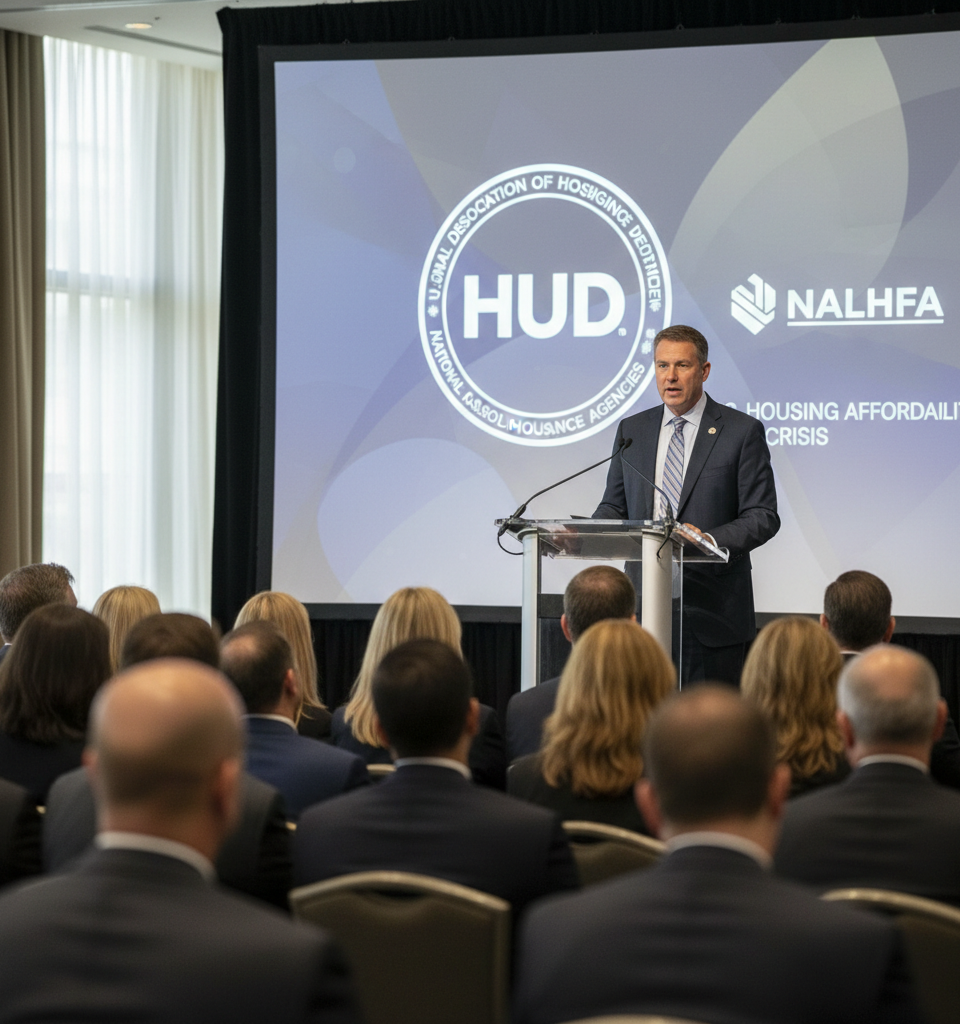
Washington D.C. — The National Association of Local Housing Finance Agencies (NALHFA) is issuing a stark warning regarding the potential consequences of proposed cuts to the Department of Housing and Urban Development (HUD) budget. Jonathan Paine, Executive Director of NALHFA, stated today that these anticipated reductions would not merely impact housing programs but would actively exacerbate the profound housing affordability crisis currently gripping the nation. His comments underscore a growing concern among housing advocates that budget constraints are being considered without fully appreciating their downstream effects on vulnerable populations and the broader real estate market.
The Lingering Affordability Crisis
For years, housing affordability has been a critical issue for millions of American households, a challenge amplified by rising interest rates, stagnant wage growth relative to housing costs, and a persistent shortage of housing units. Data consistently shows that a significant percentage of income across various demographics is now allocated to housing, often exceeding the recommended 30% threshold. This strain affects not only low-income families but increasingly impacts middle-income earners in many metropolitan areas. NALHFA, representing local housing finance agencies that play a pivotal role in funding affordable housing initiatives, has long advocated for robust federal support to address these systemic issues. The proposed HUD cuts threaten to undermine the very mechanisms designed to alleviate this stress.
Implications of Budget Reductions
While specific details of the proposed HUD cuts were not elaborated upon beyond Paine's general concerns, the implication is that funding for critical programs would be severely curtailed. These often include initiatives such as rental assistance programs, housing development grants, and first-time homebuyer support. Reduced federal allocations typically translate to fewer resources at the local level, where housing finance agencies and non-profit organizations work directly to create and preserve affordable housing options. Such reductions could lead to longer waiting lists for assistance, a slowdown in the construction of new affordable units, and increased instability for those teetering on the brink of housing insecurity.
Broader Market Repercussions
The impact of diminished HUD funding extends beyond direct beneficiaries to influence the broader housing market. A vibrant affordable housing sector is essential for economic stability and workforce development. When housing becomes unattainable, it can restrict labor mobility, worsen urban sprawl, and place added pressure on public services as more individuals face homelessness or unstable living conditions. NALHFA's perspective highlights that underfunding affordable housing initiatives is not merely a social expenditure but an economic investment that contributes to community resilience and growth. Conversely, disinvestment poses a significant threat to long-term economic vitality.
Expert Consensus and Future Outlook
Jonathan Paine's statement aligns with warnings from numerous other housing experts and advocacy groups who contend that reducing federal housing assistance during a period of acute need is counterproductive. These experts often point to the high societal costs associated with homelessness and housing instability, arguing that preventative measures are ultimately more cost-effective than crisis intervention. The consensus appears to be that now is a time for increased, not decreased, investment in housing solutions.
Looking ahead, the debate over HUD's budget is expected to intensify as it moves through legislative channels. Housing advocates will likely redouble their efforts to highlight the potential consequences of the proposed cuts, urging policymakers to reconsider. The outcome of these budget deliberations will have significant implications for the nation's housing landscape, determining whether the trajectory of housing affordability improves or, as NALHFA warns, worsens for millions of Americans.