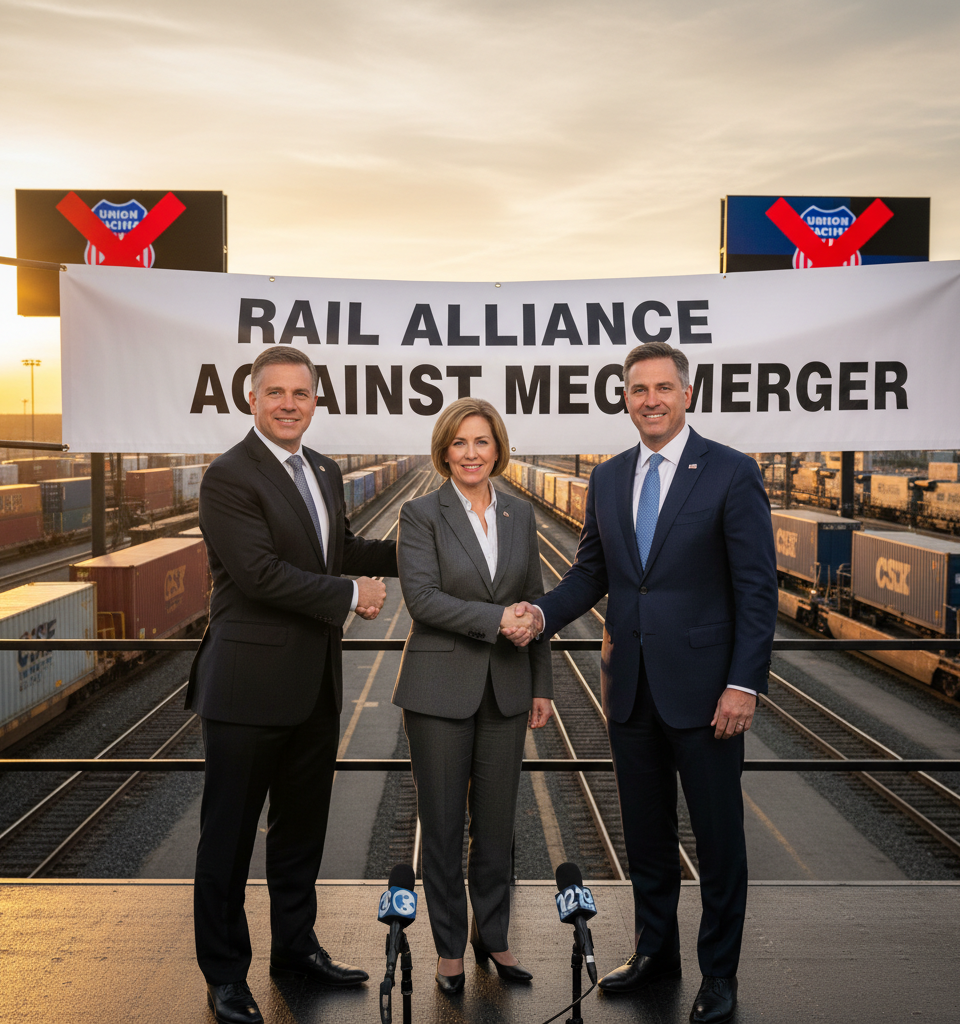
A new formidable coalition, dubbed "Railroads for a Competitive Future" (RCF), has officially launched to actively oppose the highly anticipated merger between Union Pacific (UP) and Norfolk Southern (NS). This strategic move by competing rail carriers and various industry groups emerges as both UP and NS are reportedly on the cusp of refiling their updated merger application with the Surface Transportation Board (STB), signaling an intensified regulatory and political battle. The RCF’s formation underscores the deep-seated concerns within the industry regarding market concentration, diminished competition, and potential adverse impacts on freight shippers.
Context and Background
This proposed mega-merger, first rumored months ago, aims to create the first true transcontinental Class I railroad, stretching from the Atlantic to the Pacific. Supporters argue it would streamline logistics, enhance efficiency, and reduce transit times, benefiting the broader supply chain. However, the consolidation of two of the seven remaining Class I railroads in North America has immediately raised red flags. Historical precedents, such as the problematic 1990s mergers that led to significant service disruptions and regulatory interventions, loom large, influencing the cautious stance of regulators and competitors alike. The last major Class I merger, the acquisition of Conrail by CSX and Norfolk Southern in 1999, was subject to stringent conditions to prevent market dominance and ensure continued competition.
Key Details and Stakeholder Concerns
The RCF coalition includes prominent players such as BNSF Railway, Canadian National (CN), and Canadian Pacific Kansas City (CPKC), alongside a diverse group of shippers, labor unions, and port authorities. Their core argument centers on the catastrophic potential for reduced shipping options, increased rates, and diminished service quality across vital corridors. A spokesperson for BNSF, speaking anonymously due to ongoing competitive sensitivities, stated, “This merger isn't about efficiency; it's about eliminating choice. It would fundamentally alter the competitive landscape in a way that disadvantages countless American businesses.” The coalition plans to submit extensive white papers, economic analyses, and testimony to the STB, highlighting the anti-competitive aspects and advocating for a rejection or, at minimum, extraordinarily stringent conditions on any approval.
Industry and Market Impact
Should the merger proceed, it would significantly reshape the North American freight rail map, reducing the number of Class I carriers from seven to six. This concentration of power could lead to a duopoly in certain vital corridors, particularly in the lucrative transcontinental shipping market. Experts predict potential ripple effects across various sectors, from agriculture and manufacturing to intermodal transport, as shippers face fewer alternatives for moving goods. Small and medium-sized businesses, which often lack the negotiating leverage of larger corporations, are particularly vulnerable to potential rate hikes and service deterioration. The sheer scale of the combined entity, potentially surpassing $50 billion in annual revenue, would represent an unprecedented level of market power.
Expert Perspective
Transportation economist Dr. Eleanor Vance of the Logistics Institute of America commented, "The STB faces an immense challenge. While the allure of 'greater efficiency' is always present in such proposals, the historical record of large freight rail mergers suggests that the benefits rarely fully materialize for shippers, and the costs in terms of reduced competition are often substantial. The onus will be on UP and NS to demonstrate unequivocally how this merger will enhance competition and service without creating undue market power—a very high bar." Analysts anticipate a lengthy and contentious regulatory review process, likely extending beyond 18 months, given the complexity and potential ramifications.
What's Next
Union Pacific and Norfolk Southern are expected to formally refile their comprehensive merger application with the Surface Transportation Board within the next several weeks. This refiling will trigger a formal public comment period, during which the RCF and other interested parties will submit their detailed objections. The STB will then initiate an exhaustive review, including numerous public hearings, economic impact studies, and environmental assessments. The outcome will not only determine the future of these two rail giants but also set a crucial precedent for future consolidation within the critical North American freight transportation sector, with potential implications for supply chain resilience and national economic competitiveness for decades to come.
Future Implications
The ultimate decision by the STB will carry monumental weight, influencing investment strategies for shippers, infrastructure development, and the competitive dynamics of the entire logistics industry. A rejection would signal a strong regulatory stance against further Class I rail consolidation, while an approval, even with conditions, could open the door for additional merger talks among the remaining carriers. The battle lines are now clearly drawn, foreshadowing one of the most significant regulatory reviews in recent U.S. transportation history, with billions of dollars and the efficiency of the national supply chain hanging in the balance.