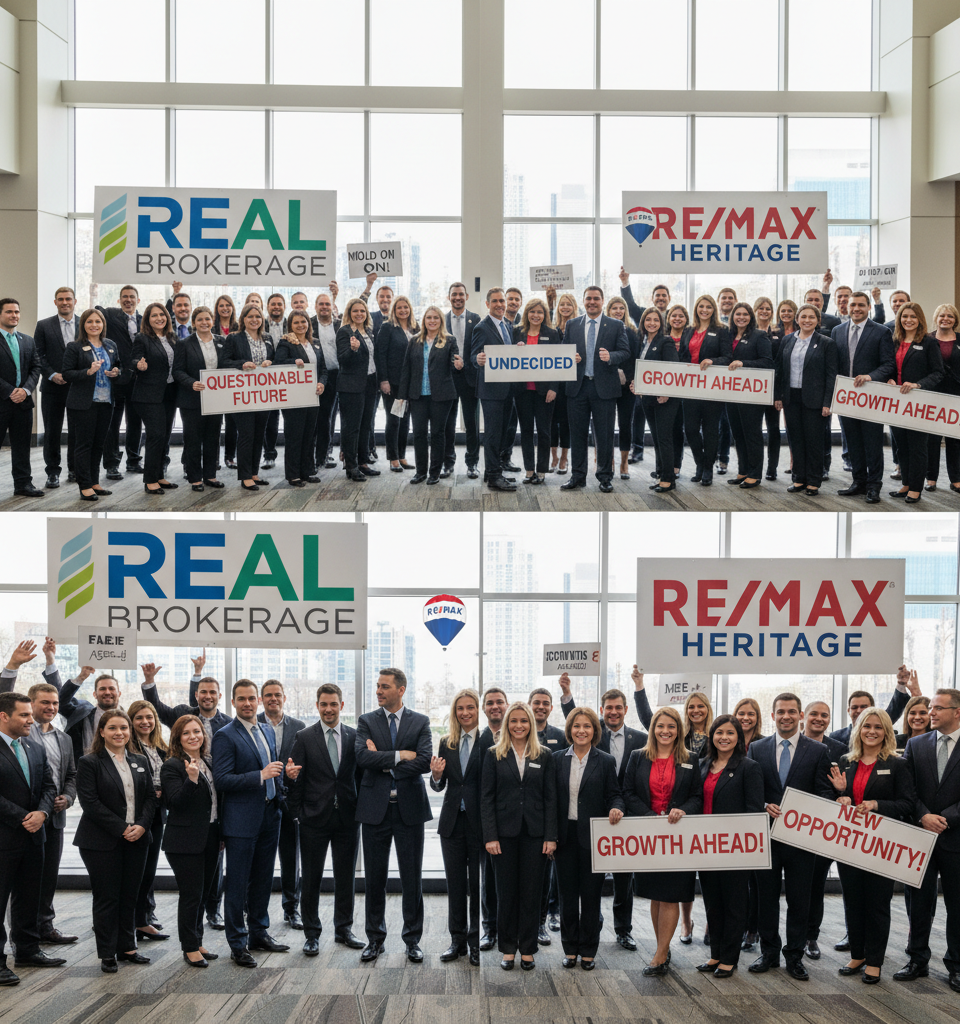
The real estate sector was rocked this week by the news that Real, a rapidly expanding cloud-based brokerage, has agreed to acquire legacy giant RE/MAX Holdings in a monumental all-stock transaction valued at approximately $880 million. The deal, publicly announced on Tuesday, is poised to create one of the largest real estate enterprises globally, bringing together Real's tech-forward model with RE/MAX's extensive agent network and brand recognition. This strategic maneuver is expected to close in Q4 2024, subject to regulatory approvals and RE/MAX shareholder consent, marking a significant inflection point for agents and the broader housing market across North America and beyond.
Context and Industry Shift
This acquisition arrives amidst a period of unprecedented transformation and consolidation within the real estate industry, largely driven by fluctuating interest rates, evolving consumer demands, and the impactful MOU settlement surrounding agent commissions. Legacy brokerages, facing increasing pressure from agile, technology-first competitors like Real, have been grappling with strategies to maintain relevance and profitability. Real's acquisition of RE/MAX, a brand with a near 50-year history and over 140,000 agents globally, represents not just a merger of companies, but a potential blueprint for how traditional models can adapt (or be absorbed) into the modern brokerage era. This follows a trend of significant M&A activity, underscoring a broader industry recalibration.
Key Details and Agent Reactions Under the terms of the agreement,
RE/MAX shareholders will receive 1.332 shares of Real stock for each share of RE/MAX common stock. This values RE/MAX at a premium over its recent trading prices, reflecting Real's confidence in the synergies of the combined entity. Agent reactions have been a mixed bag, spanning the spectrum from fervent enthusiasm to outright skepticism. Many agents at Real view the acquisition as a "game-changer," anticipating enhanced resources, expanded market reach, and innovative technology solutions that could give them a competitive edge. Conversely, long-standing RE/MAX agents, while acknowledging the potential benefits of Real's technology stack, have voiced concerns regarding cultural integration, potential disruption to their established workflows, and the future of their brand identity within the new corporate structure. Some fear a dilution of the RE/MAX brand, while others worry about the inevitable changes to commission structures and operational frameworks.
Broader Market Implications
The combined entity will command an immense footprint, potentially boasting an agent count exceeding 190,000 across more than 100 countries. This scale has significant implications for competition within the real estate brokerage landscape. It could intensify pressure on other major players, forcing them to consider similar consolidation strategies or accelerate their own technological innovations to remain competitive. Furthermore, the merger could influence commission structures, agent compensation models, and the adoption of new technologies across the industry. The increased market share also raises questions about potential impacts on consumer choice and market dynamics, particularly in regions where both Real and RE/MAX have strong existing presences. Analysts anticipate a ripple effect, prompting other firms to re-evaluate their growth and operational strategies.
Expert Perspectives Industry analysts are largely in agreement that this is a bold and strategic move by
Real, positioning it as a dominant force. "This acquisition isn't just about combining agent rosters; it's about merging a tech-forward philosophy with a globally recognized legacy brand," commented Sarah Jenkins, a senior analyst at PropTech Insights. "The challenge will be in effectively integrating their disparate cultures and technologies while retaining key talent and market share." Other experts point to the opportunity for Real to leverage RE/MAX's international presence, accelerating its global expansion plans. However, concerns remain regarding the potential for integration complexities, given the size and scope of both organizations, and the historical difficulties faced by similar large-scale mergers in maintaining agent satisfaction and productivity.
What's Next: Integration and Future Outlook Over the coming months, the focus will primarily be on the intricate process of integration.
Real has indicated its intention to operate RE/MAX and Motto Mortgage as distinct brands initially, suggesting a measured approach to unification. Leadership will be tasked with navigating the complexities of combining technological platforms, harmonizing diverse corporate cultures, and assuaging agent concerns. Crucially, the success of this monumental undertaking will hinge on Real's ability to demonstrate tangible benefits for both Real and RE/MAX agents, fostering a sense of shared vision rather than acquisition. The market will be closely watching for early indications of synergy, especially how the combined entity will address ongoing industry challenges, including the impact of the NAR settlement and ever-evolving commission structures. Future developments are expected to include detailed integration plans, potential leadership changes within RE/MAX, and the unveiling of new agent tools and resources designed to leverage the strengths of both companies.