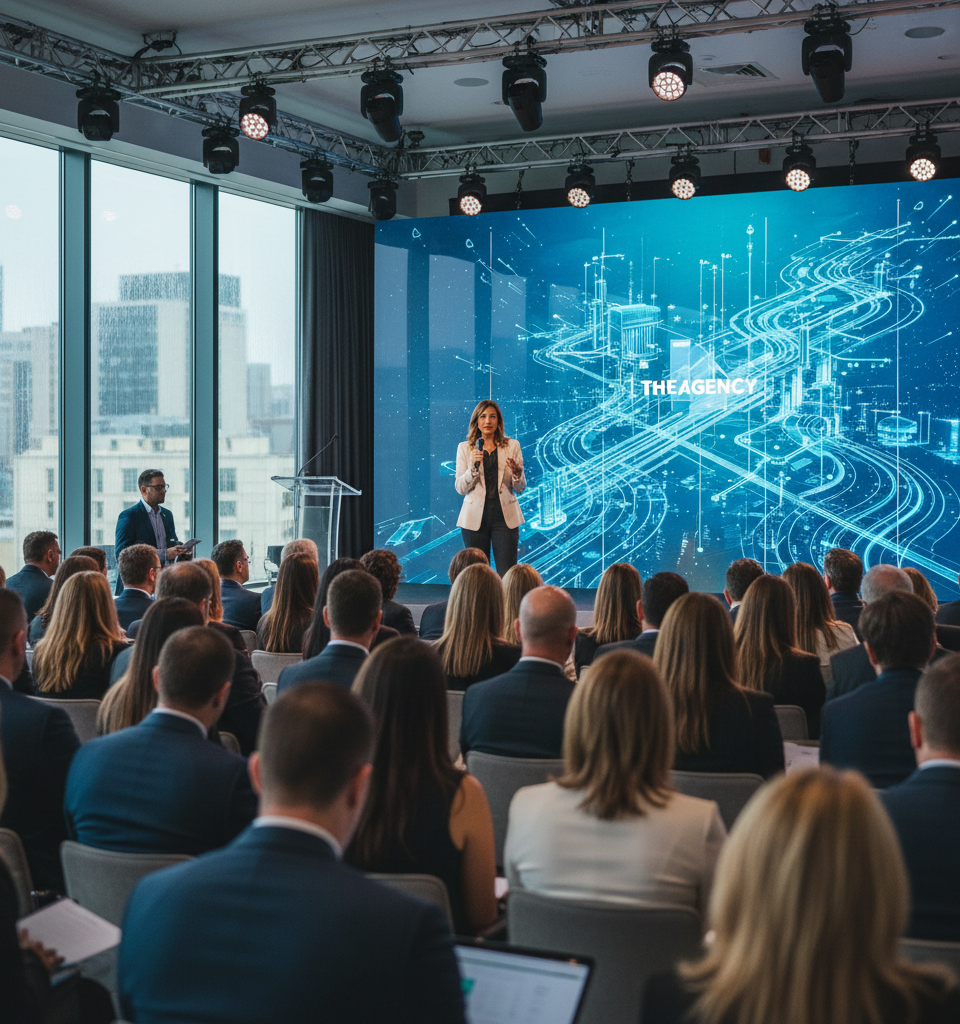
The real estate brokerage industry is experiencing a profound transformation, challenging conventional wisdom and forcing a recalibration of business strategies. While some speculate about the model's demise, Rainy Hake Austin, President of The Agency, posits that the sector is not broken but rather undergoing a critical evolution, compelling stakeholders to redefine value propositions and operational efficiencies in an increasingly competitive environment.
Contextualizing the Shift
This current period of reevaluation is not an isolated incident but a culmination of several market forces, including fluctuating interest rates, evolving consumer expectations for digital integration, and intensified scrutiny over commission structures. Historically, the brokerage model has remained relatively stable, with agents acting as central conduits for transactions and market knowledge. However, the rise of proptech, data analytics, and a more informed consumer base has disrupted this status quo, demanding greater transparency and measurable benefits for services rendered. The pressure to adapt is palpable, with firms needing to justify their existence beyond mere transactional facilitation.
Key Industry Insights and Executive Perspectives
Rainy Hake Austin's perspective from The Agency, a global luxury real estate brokerage, highlights a strategic pivot towards identifying and amplifying core value. " This sentiment resonates across the industry, particularly in the wake of significant legal challenges and settlement agreements, such as the National Association of Realtors' (NAR) recent settlement over commission rules. These developments, while disruptive, are acting as catalysts for innovation, prompting brokerages to innovate their service offerings and agent support systems.
For instance, many firms are investing heavily in technology platforms that enhance client experience, streamline transactions, and provide agents with advanced data analytics tools.
Broader Market Impact and Adaptations
The ripple effects of this evolution are widespread, influencing everything from agent recruitment and retention to marketing strategies and consumer engagement. Brokerages are actively reassessing their overheads, investing in professional development for their agents, and exploring alternative revenue streams beyond traditional commission splits. The shift necessitates a move away from a volume-centric approach to one that prioritizes high-quality service and specialized expertise.
Larger firms, with their greater resources, are better positioned to absorb these changes and invest in the necessary technological infrastructure, potentially widening the competitive gap with smaller, independent brokerages. For example, some firms are now offering bundled services that include staging, legal consultation, and even mortgage pre-approval, aiming to provide a seamless, end-to-end client journey.
Expert Analysis and Strategic Outlook
Industry analysts and real estate economists largely concur with Austin's assessment, viewing the current climate as a necessary cleansing rather than a catastrophic collapse. "This is an opportune moment for brokerages to re-evaluate their fundamental operating principles," notes Dr. Sarah Thompson, a real estate economist. "Those that successfully articulate and deliver distinct value in terms of market insights, negotiation expertise, and technological integration will emerge stronger." Experts predict a consolidation within the industry, with a greater emphasis on specialized, niche brokerages that cater to specific market segments, and full-service firms that can deliver a comprehensive suite of solutions. The focus is shifting from simply facilitating a transaction to becoming a trusted advisor and strategic partner throughout the real estate lifecycle.
The Path Forward: Innovation and Value Redefinition
The future of the real estate brokerage model hinges on continuous innovation and a commitment to clearly demonstrating value. This involves embracing new technologies, fostering a culture of adaptability among agents, and proactively addressing evolving consumer demands. Brokerages that prioritize agent training in areas like data analysis, digital marketing, and advanced negotiation techniques will create a more resilient and effective workforce.
Furthermore, the development of transparent and flexible compensation models that align with client expectations will be critical for long-term sustainability. Upcoming developments are likely to include further integration of artificial intelligence for market predictions, enhanced virtual reality tools for property tours, and personalized client portals designed to streamline communication and documentation. The industry's ability to not just react to change, but to proactively shape its future, will ultimately determine its prolonged success.
Ultimately, the transformation underway is pushing the real estate brokerage industry towards a more sophisticated, client-centric model. Success will be defined by agility, innovation, and an unwavering focus on delivering measurable value in every interaction.