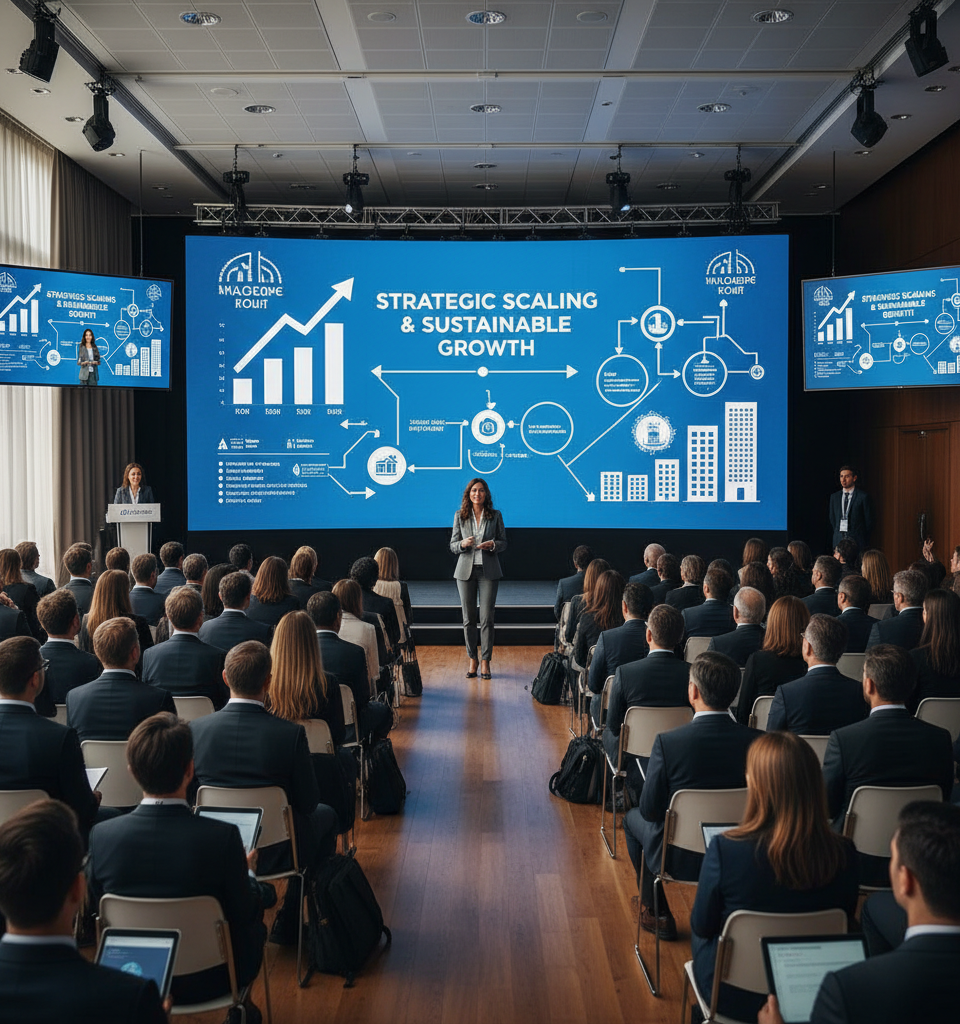
Building a significant real estate portfolio often conjures images of relentless acquisition and constant pressure. However, industry insights from figures like Kevelyn Guzman are shifting this narrative, advocating for a more measured, strategic approach to scaling. This perspective posits that sustainable growth in real estate should feel less like a chaotic struggle and more like a well-orchestrated process where every component harmonizes, ultimately leading to greater efficiency and profitability.
This re-evaluation of growth strategies comes at a critical time, as real estate markets globally navigate fluctuating interest rates, evolving tenant demands, and persistent economic uncertainties.
The Shifting Paradigm of Real Estate Growth Historically, the real estate sector has often celebrated aggressive expansion, with success frequently measured by the sheer volume of properties acquired. However, the last decade, marked by significant market corrections and technological disruptions, has highlighted the inherent risks of unchecked growth.
The focus is now shifting towards efficient scaling, where operational capacity and strategic alignment dictate the pace of expansion. This mirrors a broader trend in business, emphasizing resilient frameworks over sheer size, particularly relevant in an asset-heavy industry like real estate where leverage and operational costs can quickly magnify missteps.
Core Tenets of Sustainable Scaling
Guzman's philosophy underscores several key pillars for building a scalable real estate empire without sacrificing stability. Central to this is the concept of a robust operational infrastructure. This involves implementing streamlined processes for property acquisition, tenant management, maintenance, and financial oversight. Leveraging technology, such as property management software and data analytics platforms, becomes paramount. For instance, automating routine tasks can reduce operational costs by up to 20-30%, freeing up resources for strategic initiatives. Furthermore, she stresses the importance of a strong, specialized team, advocating for clear roles and responsibilities to avoid bottlenecks and burnout, crucial when managing multiple properties across diverse geographical areas.
Market Impact and Investor Sentiment
This nuanced approach to real estate expansion has significant implications for both seasoned investors and newcomers. For institutional investors, it suggests a move towards optimizing existing portfolios and making more deliberate, data-driven acquisitions rather than speculative ventures. For individual investors, it provides a practical framework to enter the market and grow incrementally, mitigating the financial and personal stress often associated with real estate entrepreneurship. The emphasis on efficiency and strategic growth could lead to a more stable and predictable market over time, reducing volatility associated with impulsive expansion. According to a recent survey by PropertyMetrics, 65% of real estate professionals believe that operational efficiency will be the most critical factor for growth in the next five years, surpassing even access to capital.
Expert Perspectives on Future Growth Models
Industry analysts largely concur with the shift towards strategic scaling. Dr. Eleanor Vance, a leading real estate economist, notes, "The era of indiscriminate buying is over. Today's successful real estate investors are those who can integrate technology, optimize operations, and demonstrate a keen understanding of market fundamentals, rather than simply amassing properties. Returns are increasingly tied to operational excellence and tenant satisfaction, not just property appreciation." This sentiment is echoed by venture capitalists investing in prop-tech, who are channeling significant funds, an estimated $30 billion globally in 2023, into solutions that enhance efficiency and scalability for property owners.
The Road Ahead: Automation and Specialization
The future of real estate empire building appears to be characterized by increasing automation and greater specialization. Investors will likely continue to adopt AI-powered tools for market analysis, predictive maintenance, and tenant communication, further streamlining operations. The trend towards niche market specialization—focusing on specific property types (e.g., multi-family, industrial, short-term rentals) or geographic locations—will also solidify, allowing investors to develop deep expertise and competitive advantages. This strategic evolution promises to make real estate investment a more accessible and sustainable wealth-building vehicle, moving away from high-stakes, high-stress models towards a more controlled and rewarding experience for those who embrace thoughtful growth.